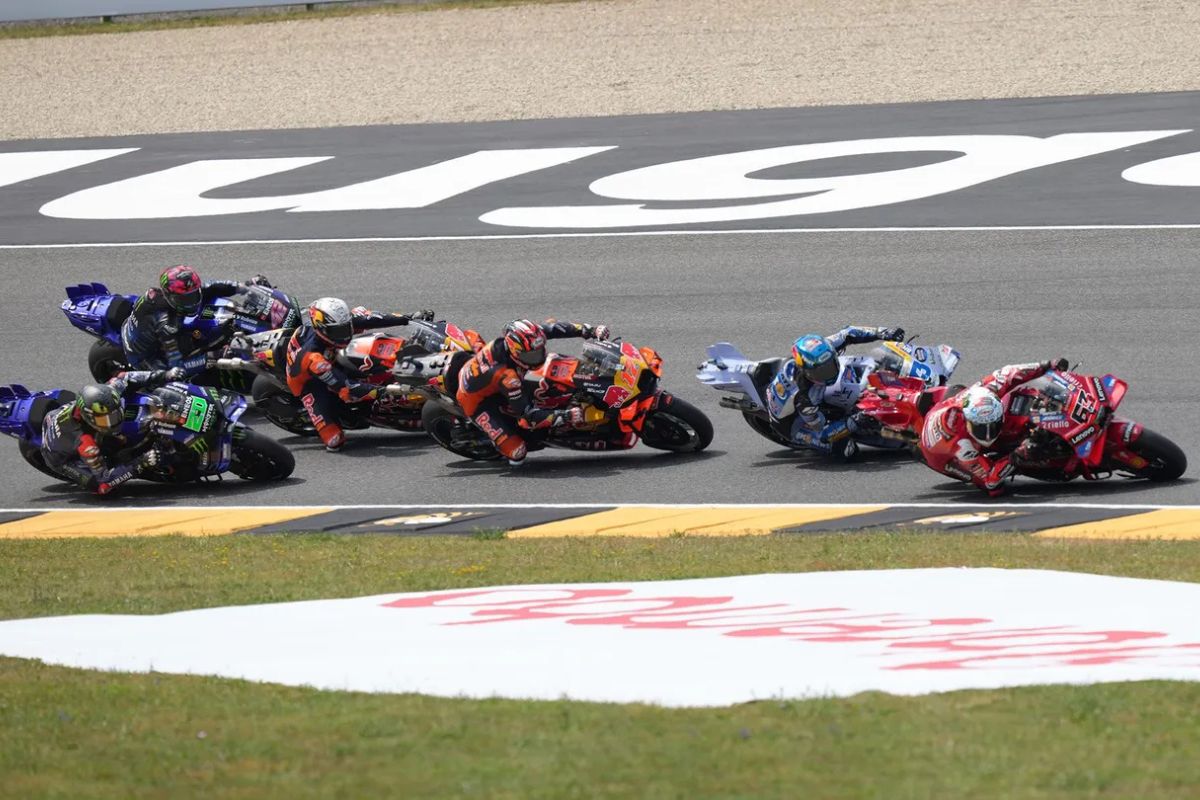
After three agonising months bereft of MotoGP racing, the championship makes its glorious return in Thailand this weekend. Of course, the teams have not been sitting idle through the winter – there’s a new season to prepare for: another year of slogging it out to prove who has the best riders and the best two-wheeled machines.
In total, there were seven days of official pre-season testing: two after the last race at Valencia at the tail end of last year, three days at Sepang in Malaysia at the beginning of February, and the final two days at the Chang Circuit in Buriram, Thailand, over the weekend.
Each rider had their goals, each manufacturer had directives, and each team tried to glue the two together. Let’s have a look at what’s what before this weekend’s season opener.
By Donovan Fourie.
Ducati Becoming More Globally Friendly
Last year, Ducati took a sensational win by returning Marc Márquez to the top of the podium after five years of trying to come to terms with injury and uncompetitive machinery. Not only did he wrap up the title with Ducati, but he did so in such a dominant fashion that it was secured with five races to go, which was lucky because he was unceremoniously punted off during the next race in Indonesia, causing serious shoulder injuries and putting him out of action for months.
Luckily, Márquez had months to spare.
Marc looking fit and fast
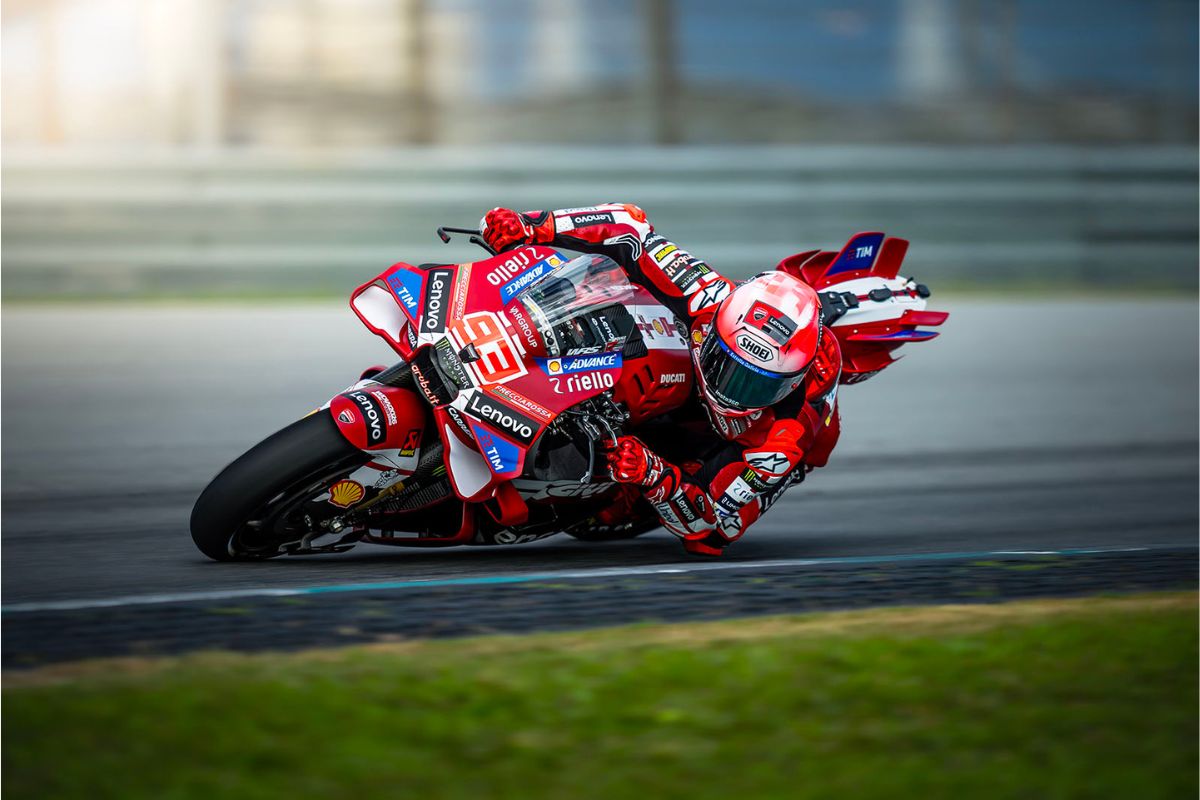
At the beginning of February, the seven-time MotoGP champion plonked himself onto a MotoGP seat for the first time in five months and performed as admirably as we have come to expect from the Spaniard, topping the timesheets on the first day.
He stayed towards the pointy end throughout testing, looking calm and collected, right up until the last two days, where he crashed three times, twice at disturbingly high speeds. While the news might have caused panic among his fans, the rider put these mishaps down to a lack of concentration caused by a stomach bug he had inconveniently contracted.
What is more disturbing for Márquez admirers is that he has so far not signed a new deal with Ducati, who offered a lucrative two-year contract. He explained that he was waiting to see how his recovering shoulder holds out before making any long-term commitments. While he is seemingly fast and remains the championship favourite, this news suggests he might be downplaying his physical condition.
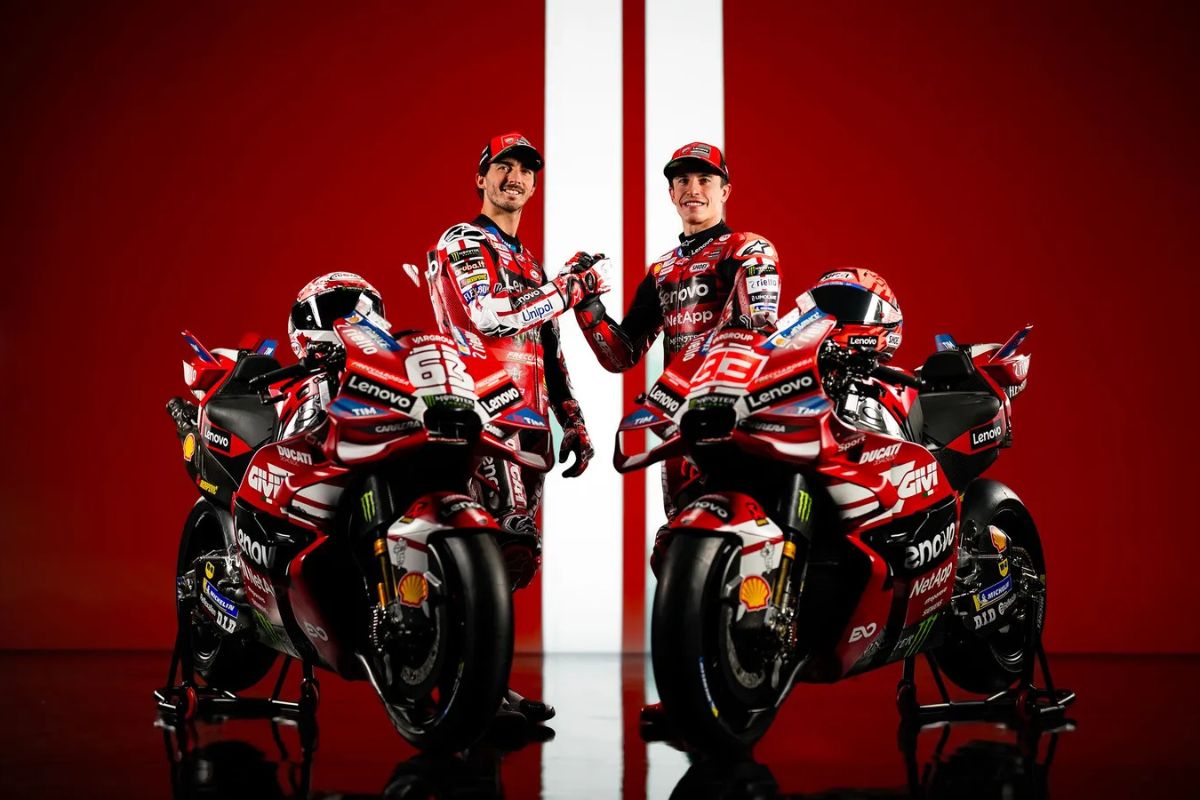
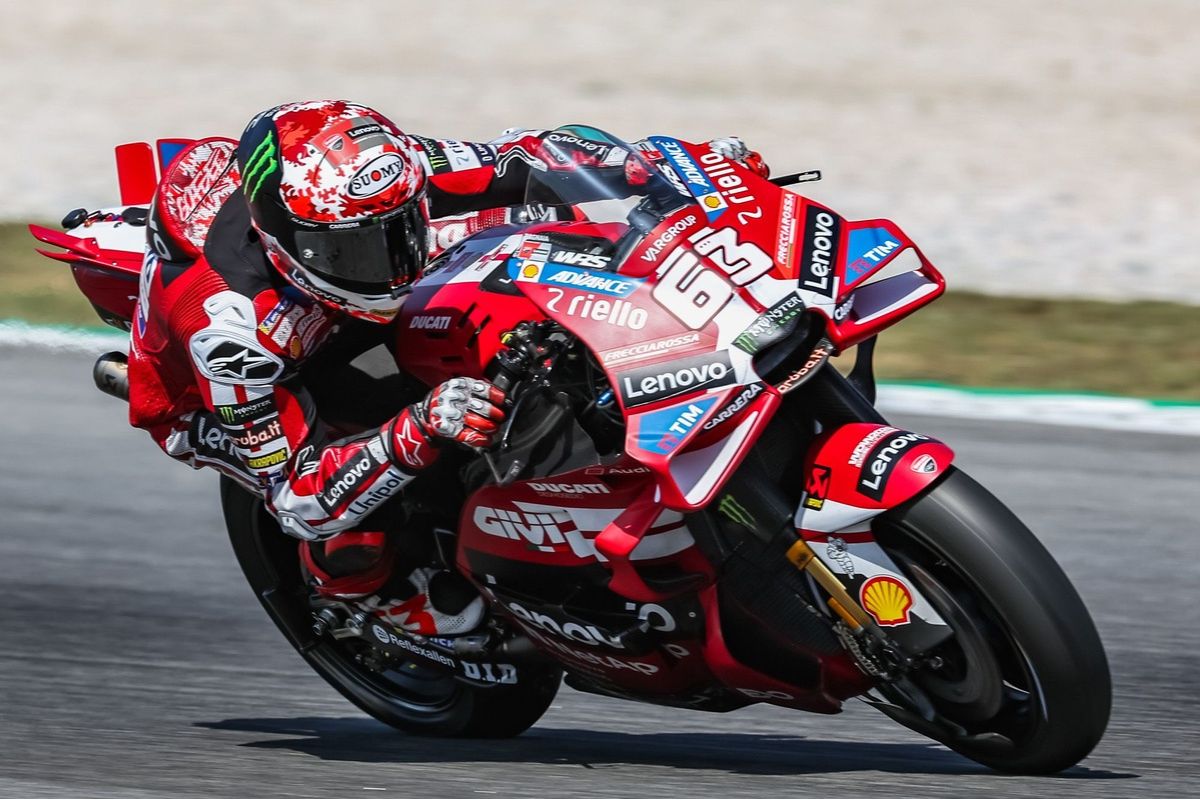
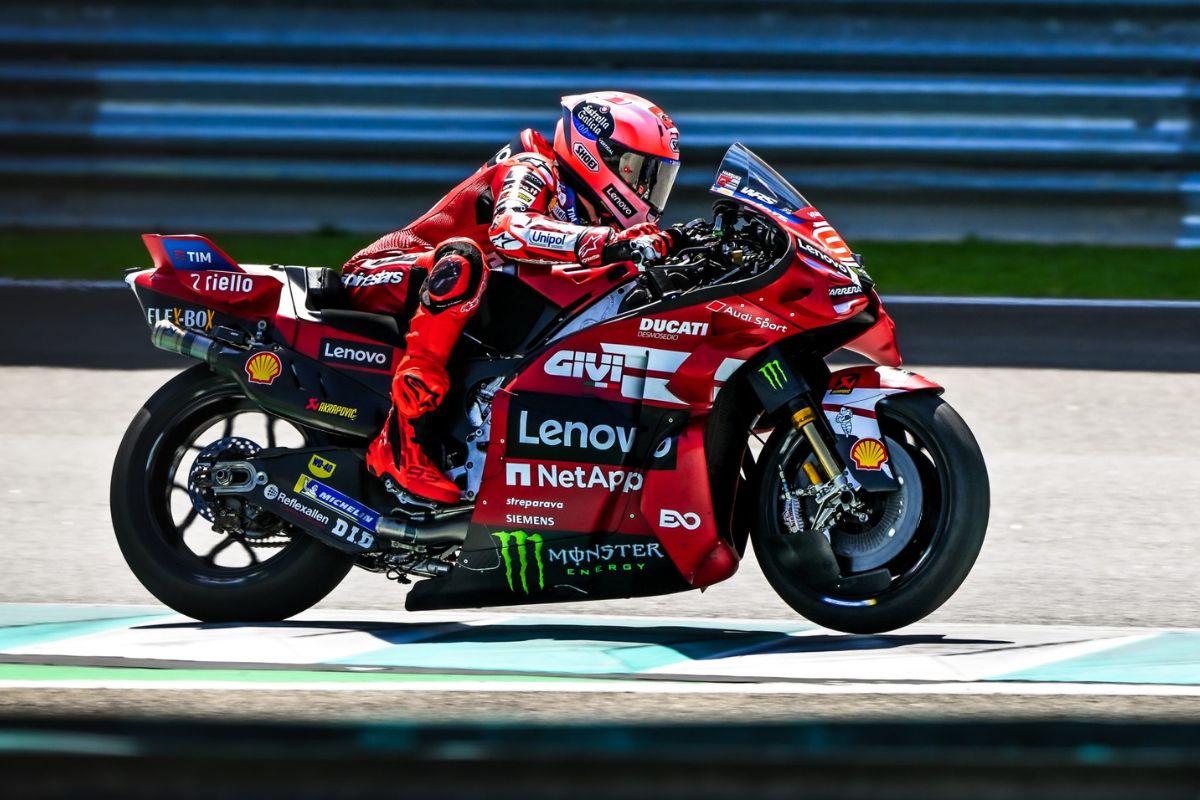
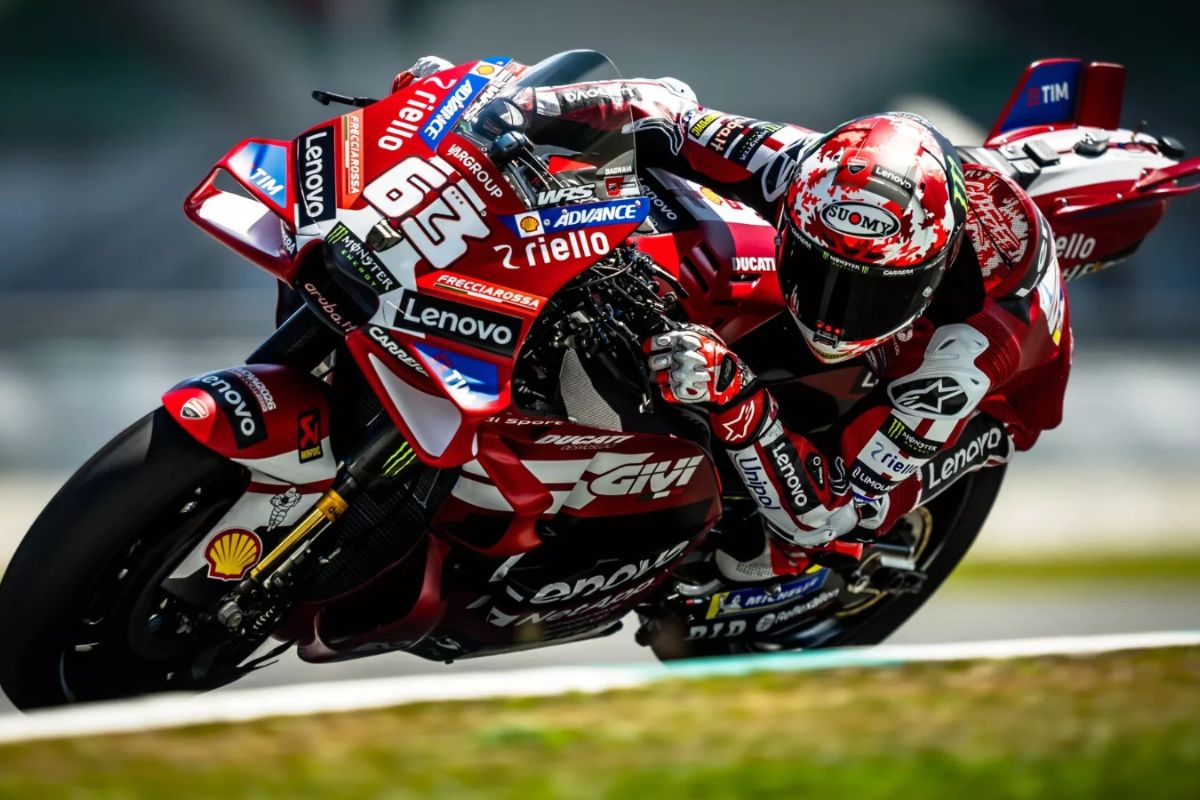
Ducati set about building a motorcycle that was obviously fast but fast for a broader range of riders. The Bologna brand won the 2025 championship, but the only rider who could wield consistent success was Márquez. The other two factory bike riders, Pecco Bagnaia and Fabio Di Giannantonio, had a year that featured more disaster than glory. The goal was to produce a race bike that everyone could be fast on and so far, it seems they are succeeding.
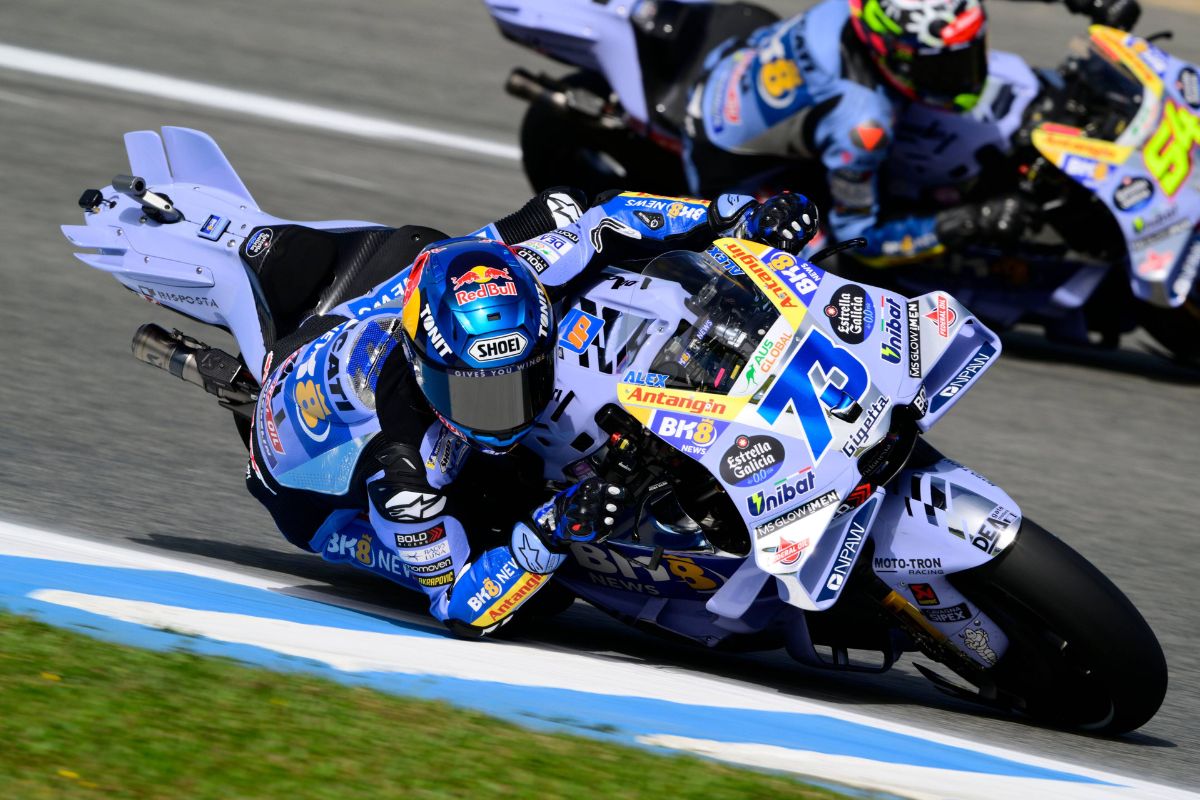
Alex Marquez
Marc Márquez, Bagnaia, and Digi all maintained regular top-ten positions throughout the days of testing. Plus, the factory bike newbie Alex Márquez found himself leading days on more than one occasion and is set to be a championship challenger.
It seems Ducati will be an even bigger force in 2026.
Aprilia Showing Its Might:
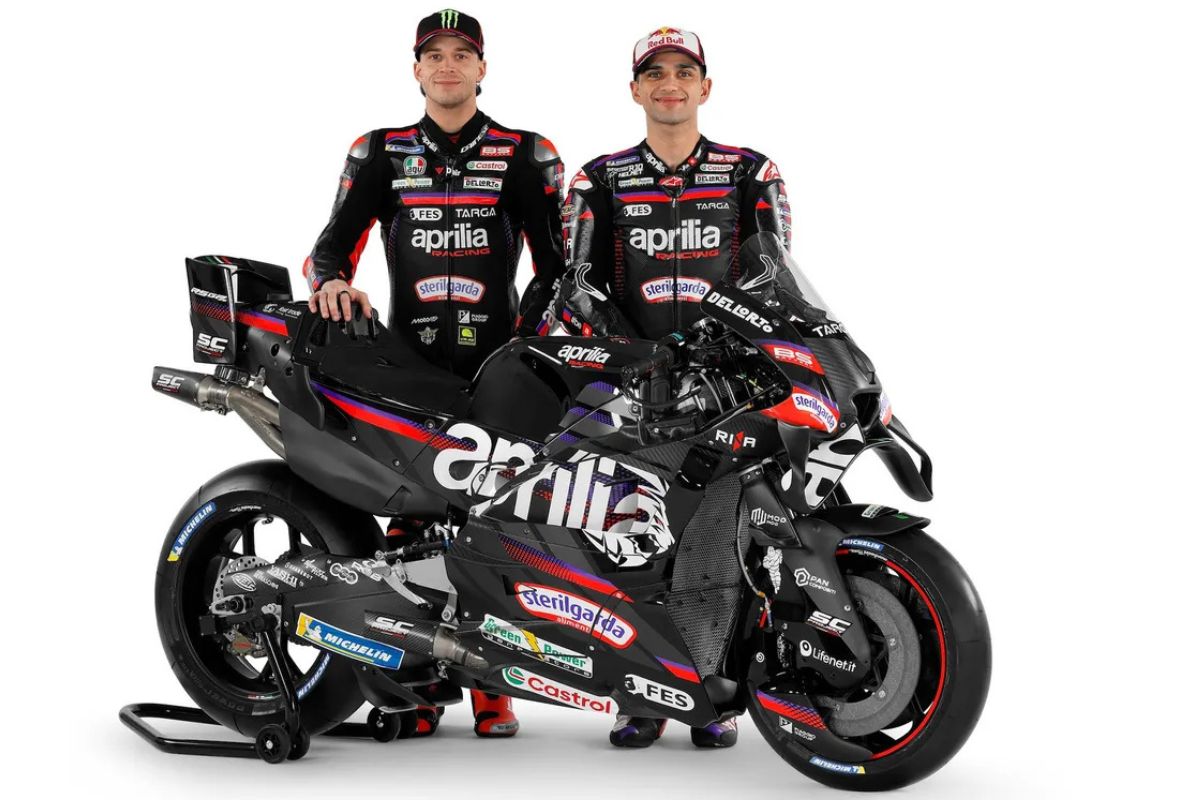
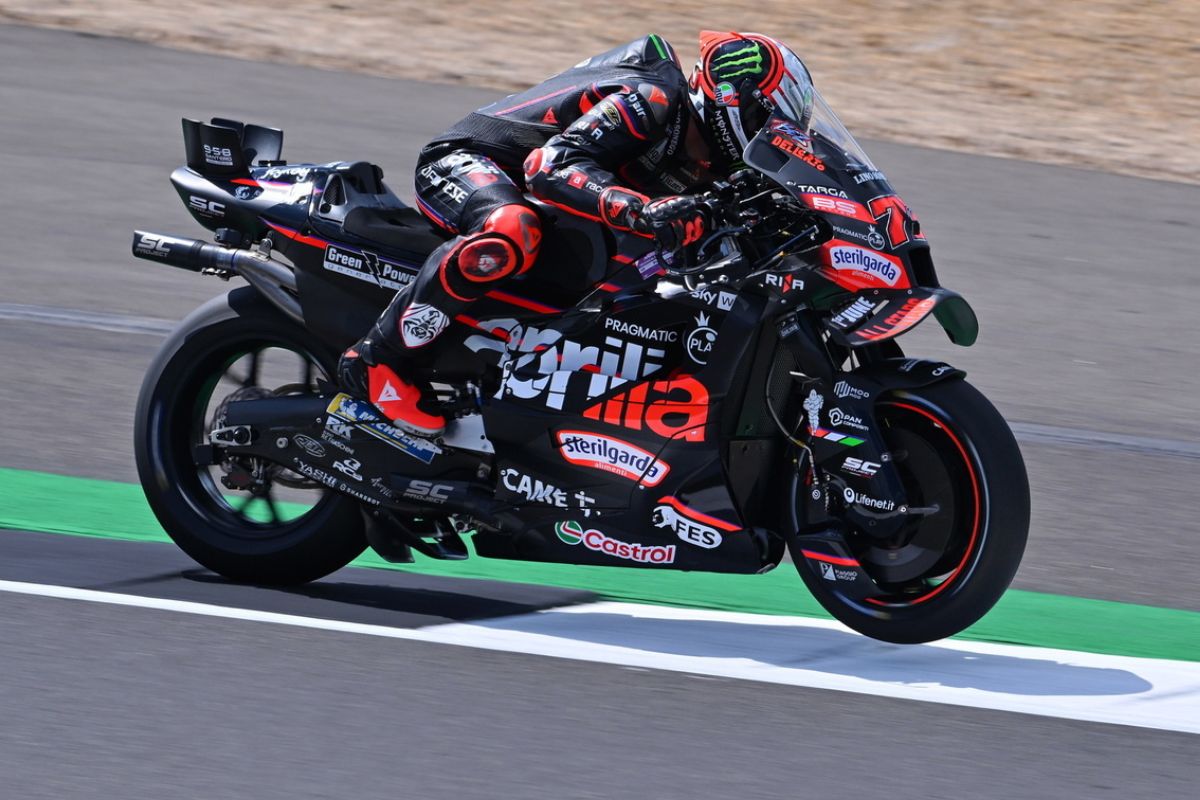
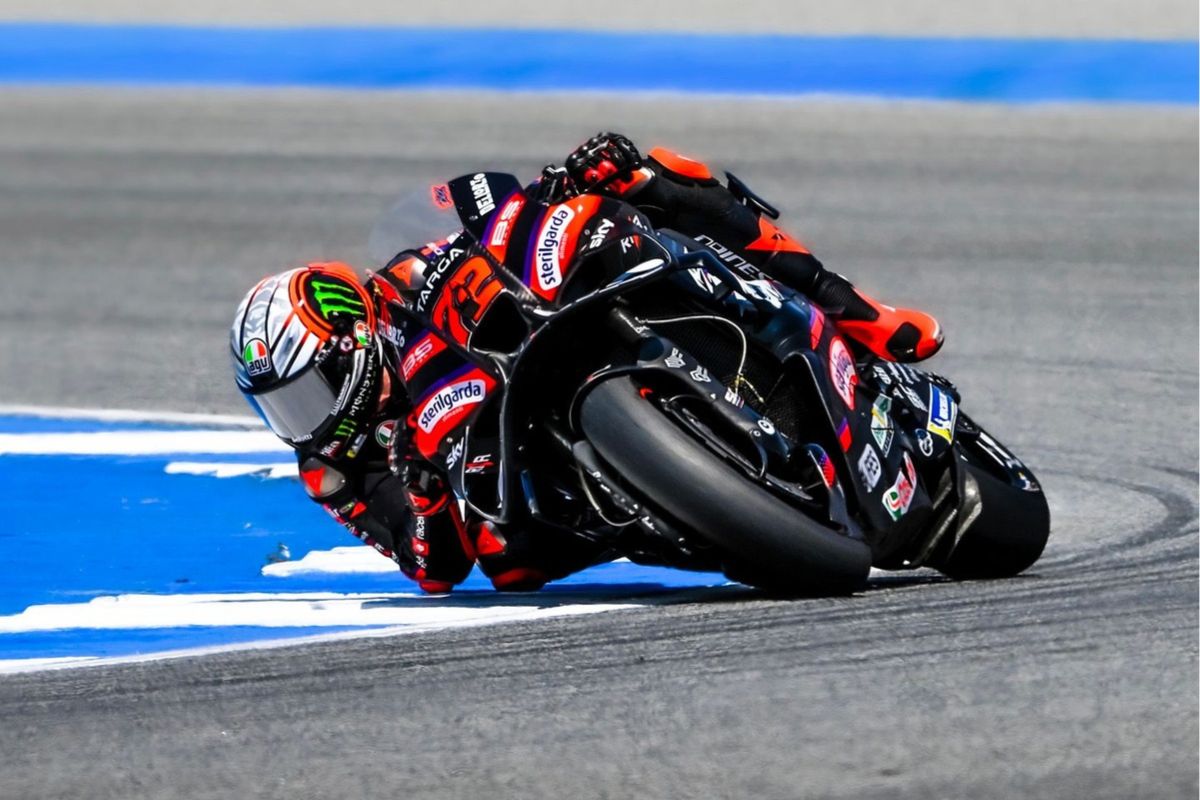
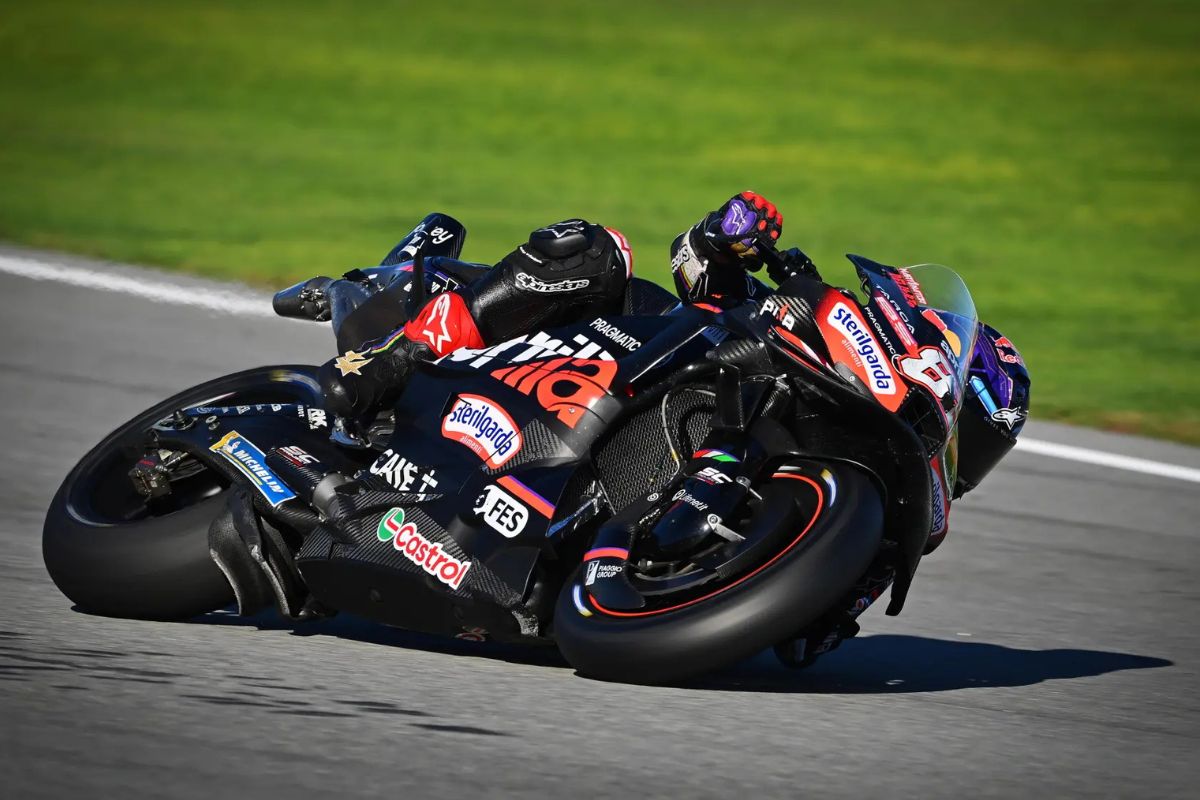
Yes, Ducati is looking strong, but the main opposition is not giving them a chance to put their feet up. Aprilia proved to be the most universally competitive machine in 2025, with riders consistently taking top tens and even some wins. For 2026, the Noale factory has stepped up its game once more.
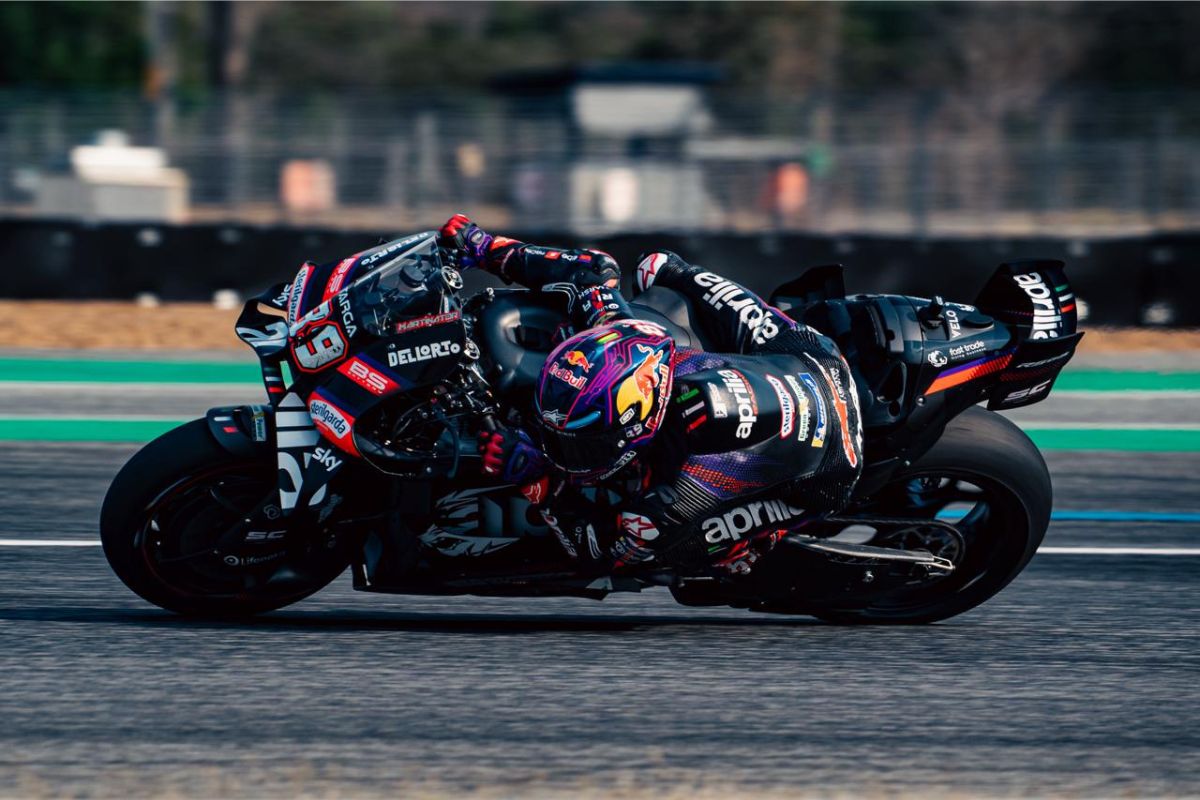
Last year’s runner-up, Marco Bezzecchi, topped the final test on Sunday, setting a new lap record for the Thai circuit and looking suitably smug about it afterwards. He too has kept a consistent place towards the top of the timesheets throughout testing and seems short of major complaints about this year’s Aprilia.
His teammate, the 2024 MotoGP champion Jorge Martín, returned from injury after missing the Sepang test, and he found himself immediately in the top ten in Buriram. The Spaniard claims that he still needs more strength for the longer runs but seems happy and also short of complaints.
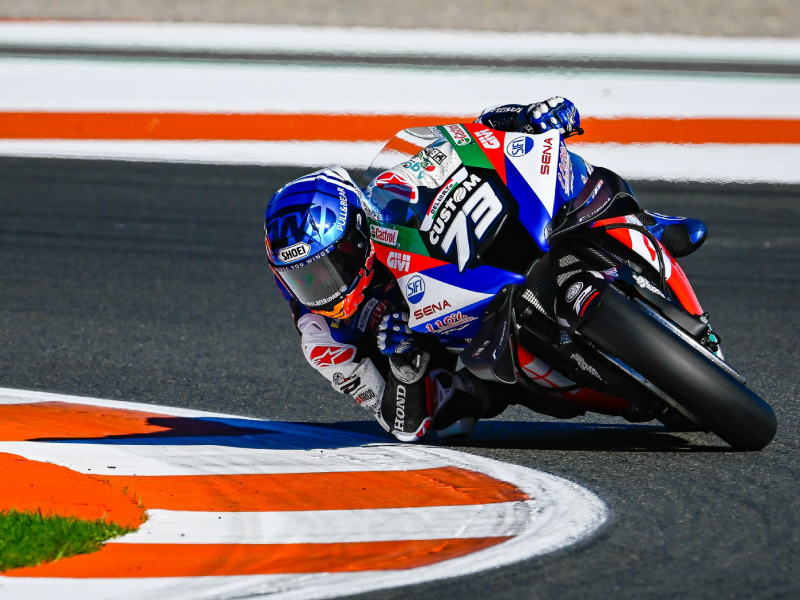
#79 Ai Ogura
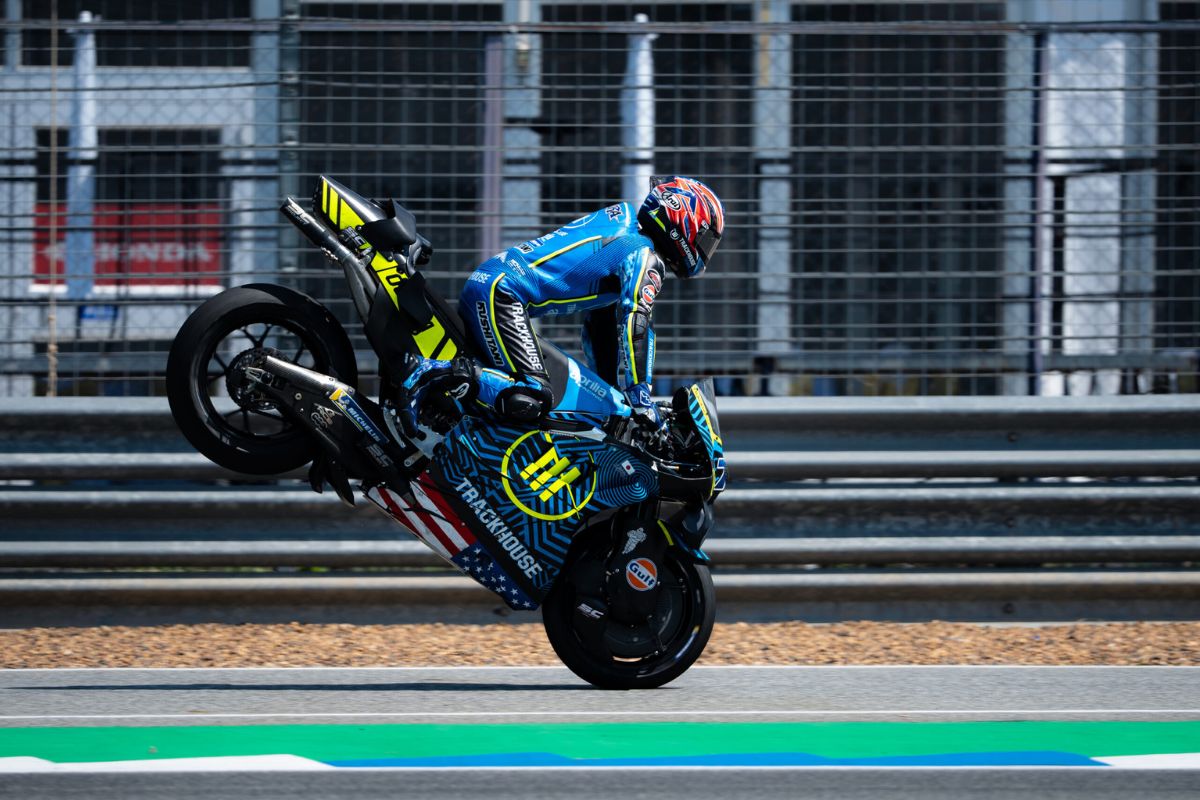
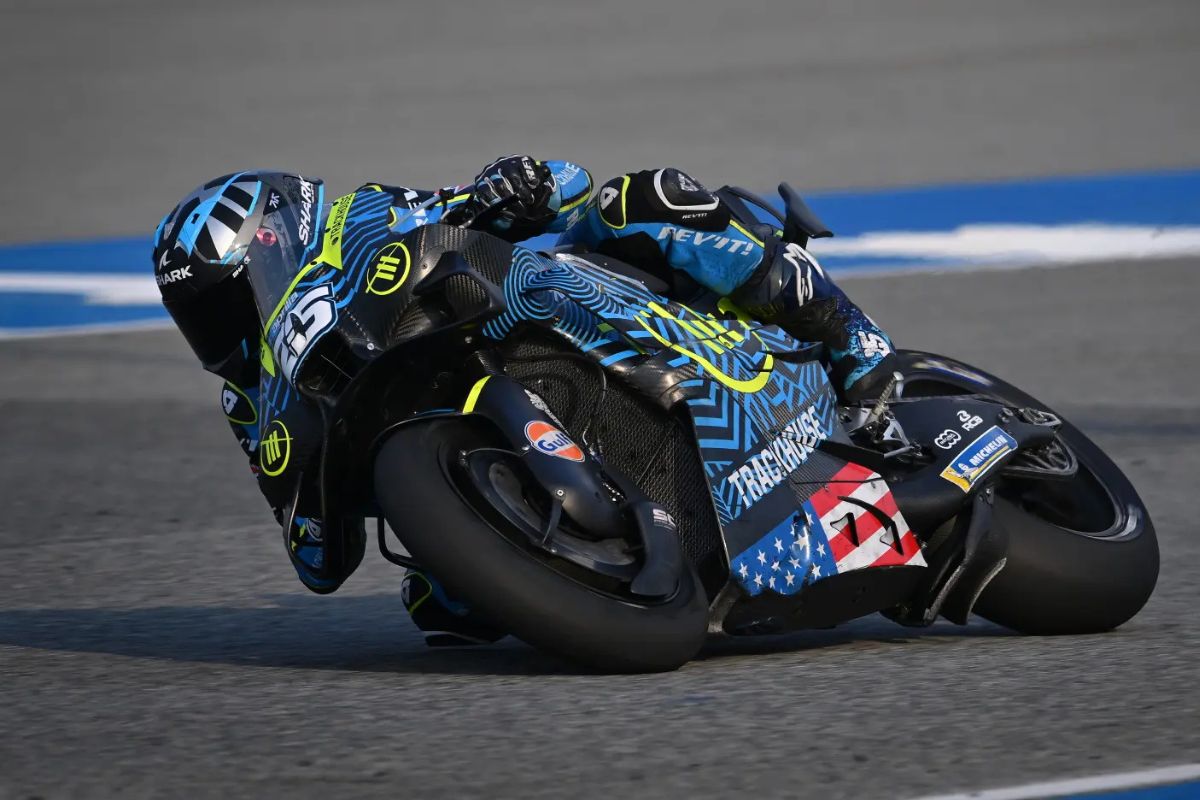
Second in the final timesheets in Thailand was Ai Ogura of the Trackhouse Aprilia squad, who looks to build on a strong rookie season last year.
#25 Raúl Fernández
The only mild dark spot in an otherwise perfect Aprilia universe is Ogura’s teammate Raúl Fernández, who finished the test in 11th and seemed somewhat less confident than the rest of the Aprilia squad. Three out of four isn’t too bad.
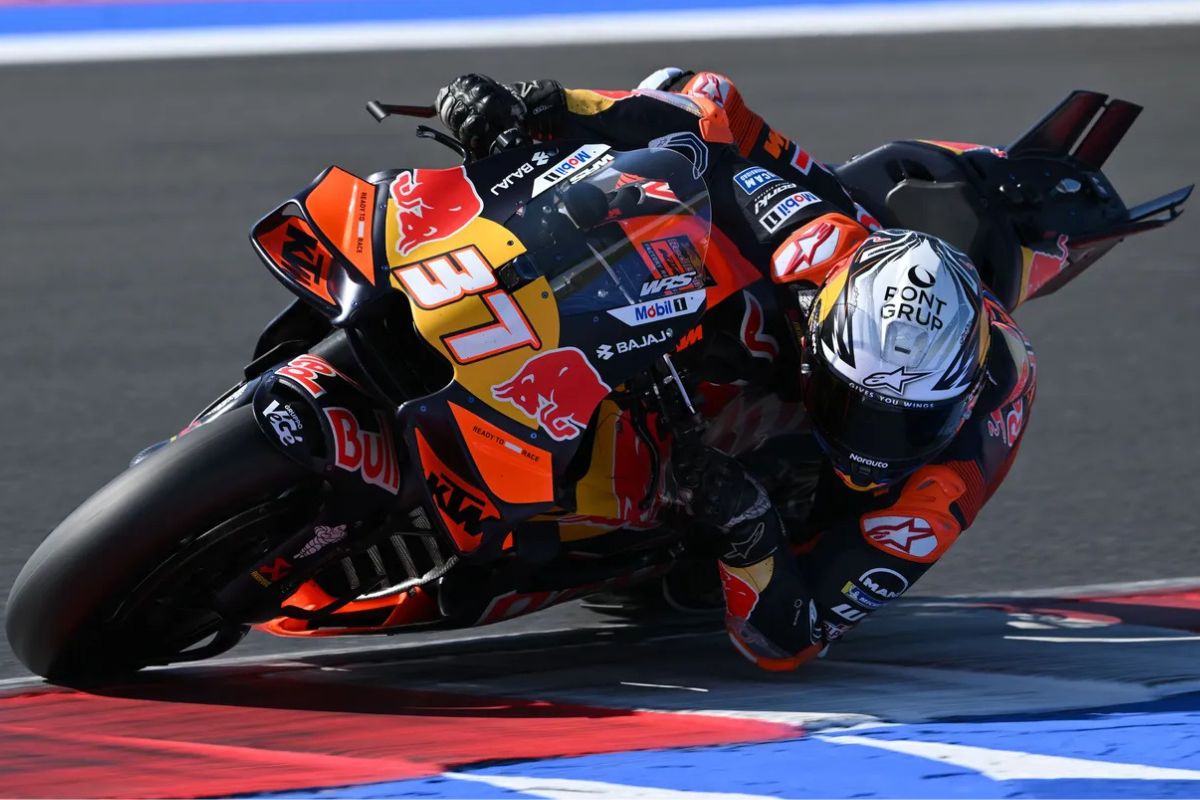
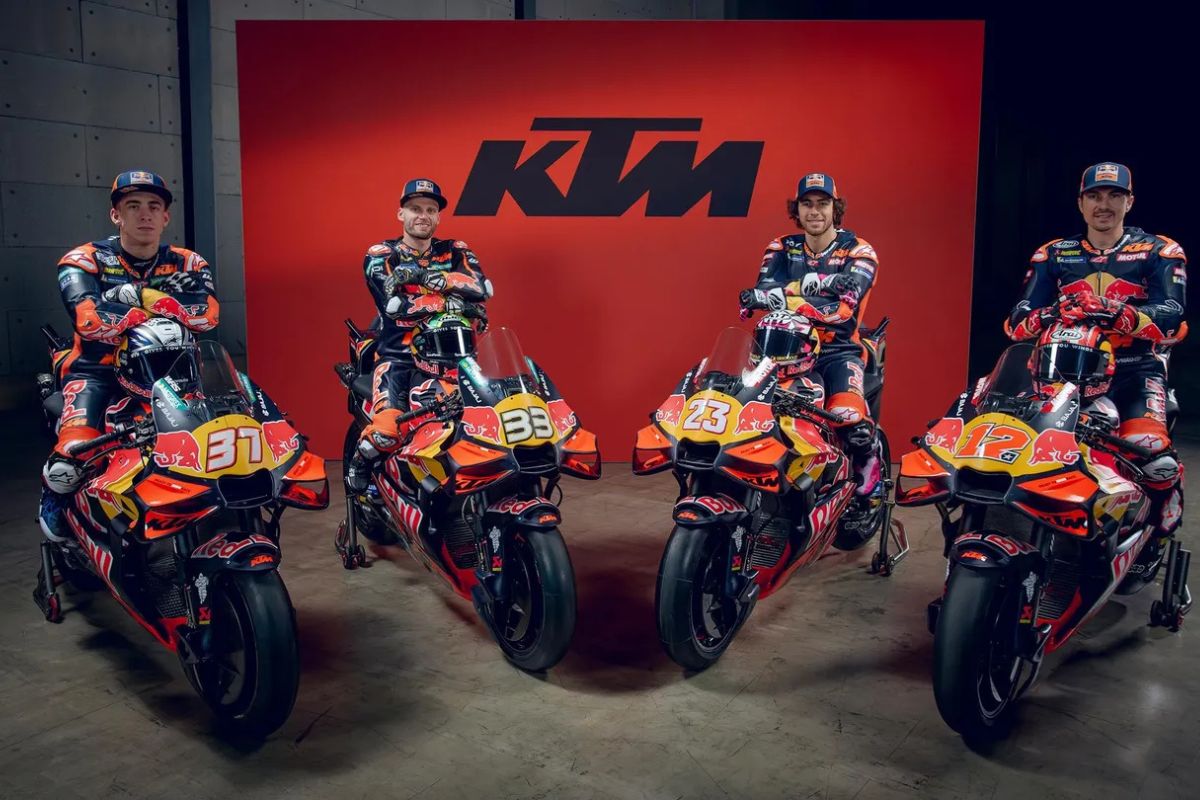
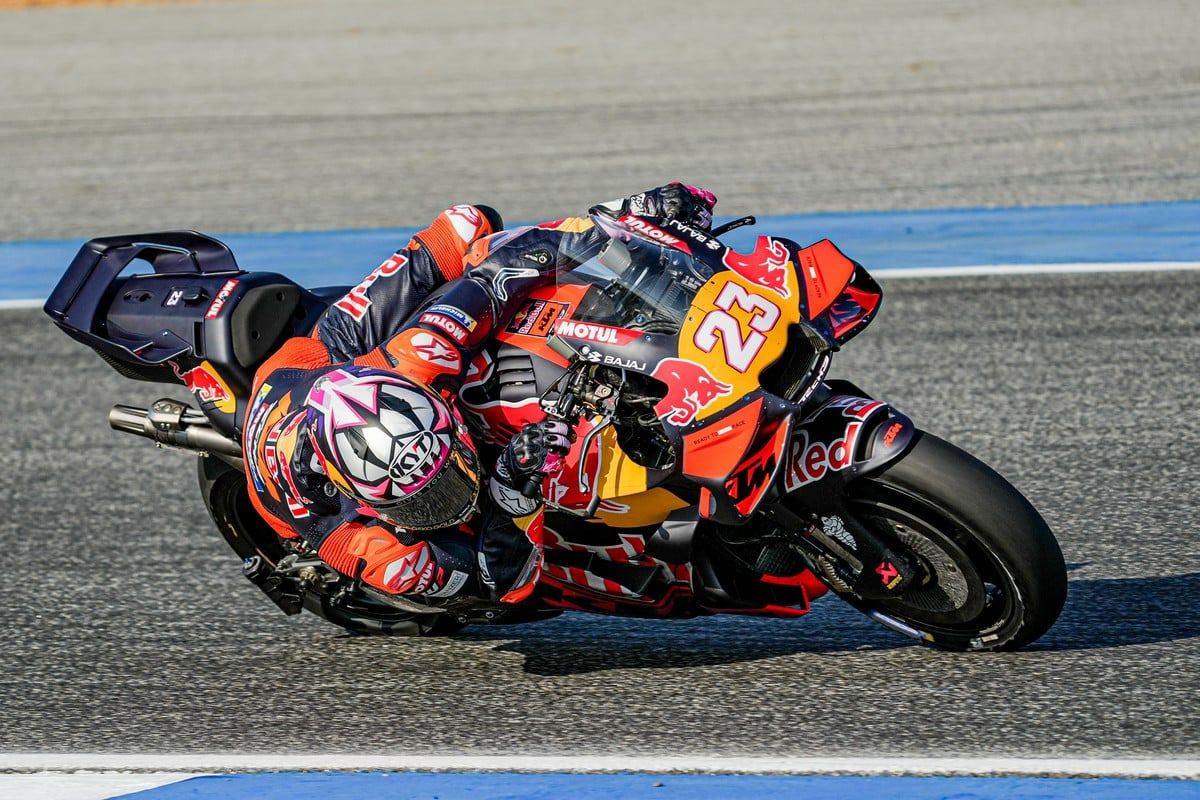
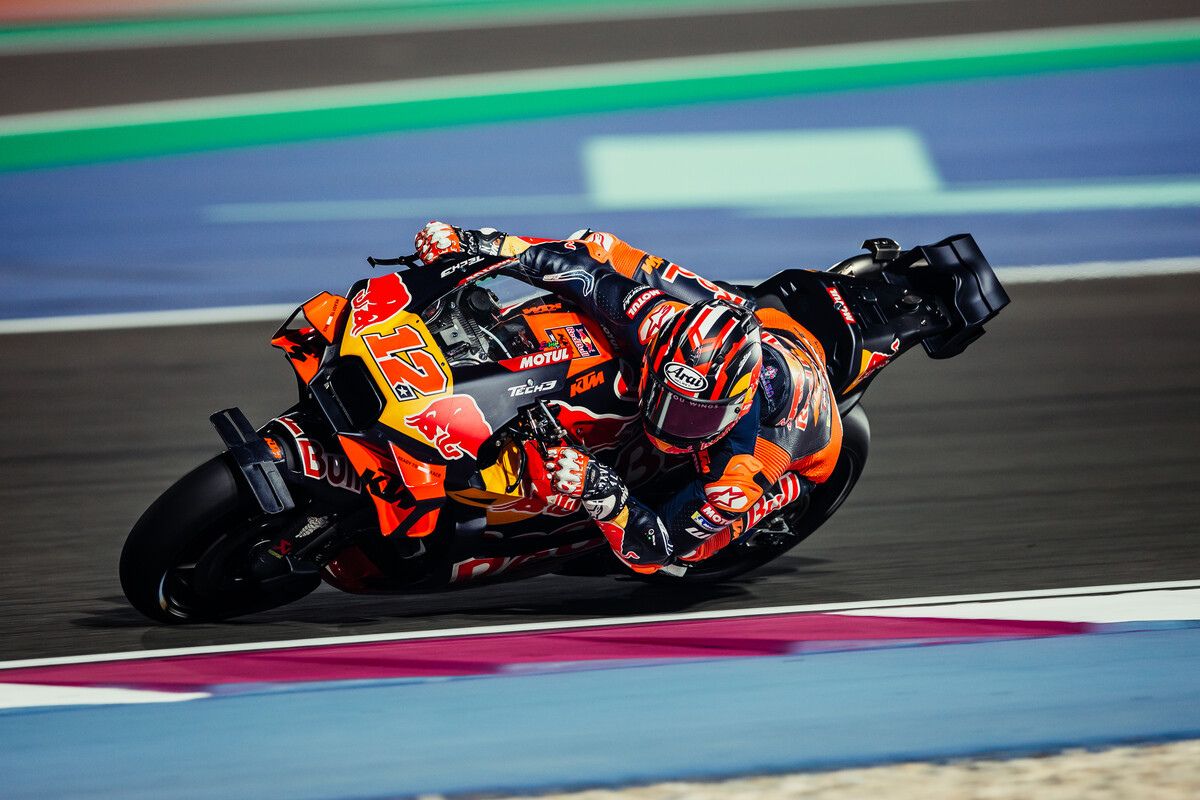
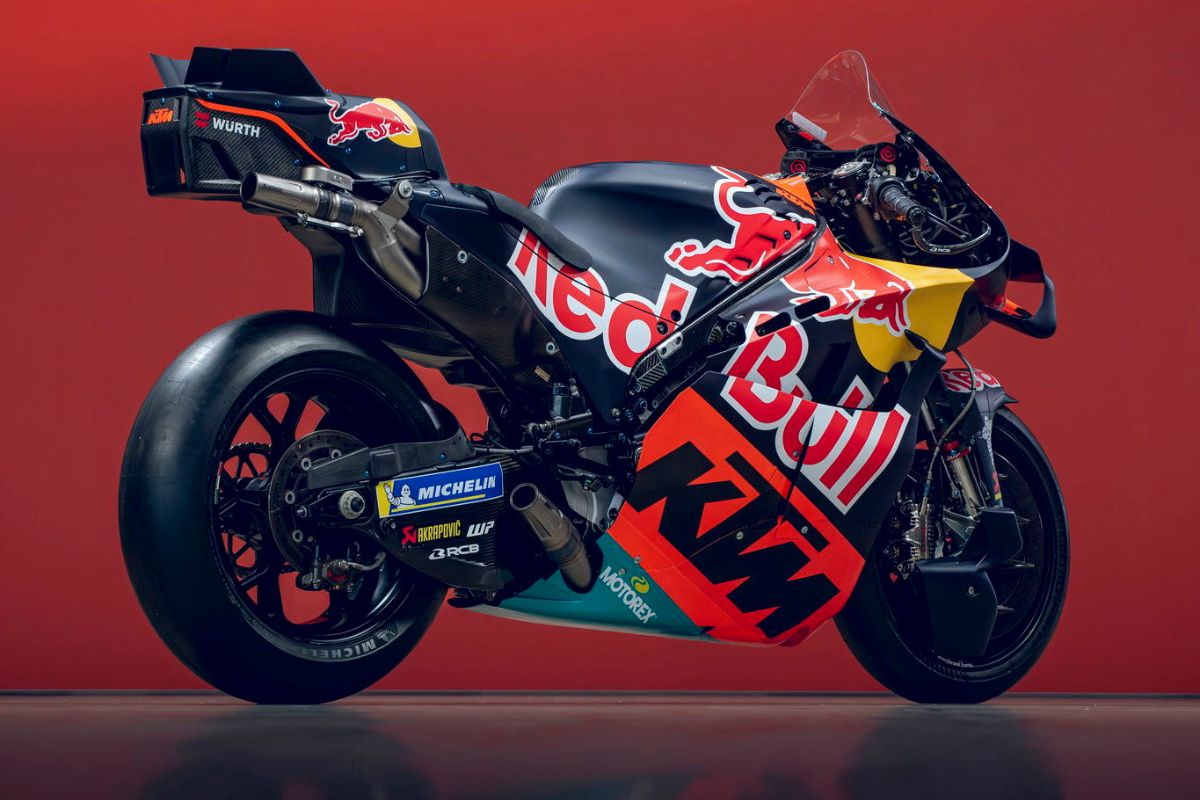
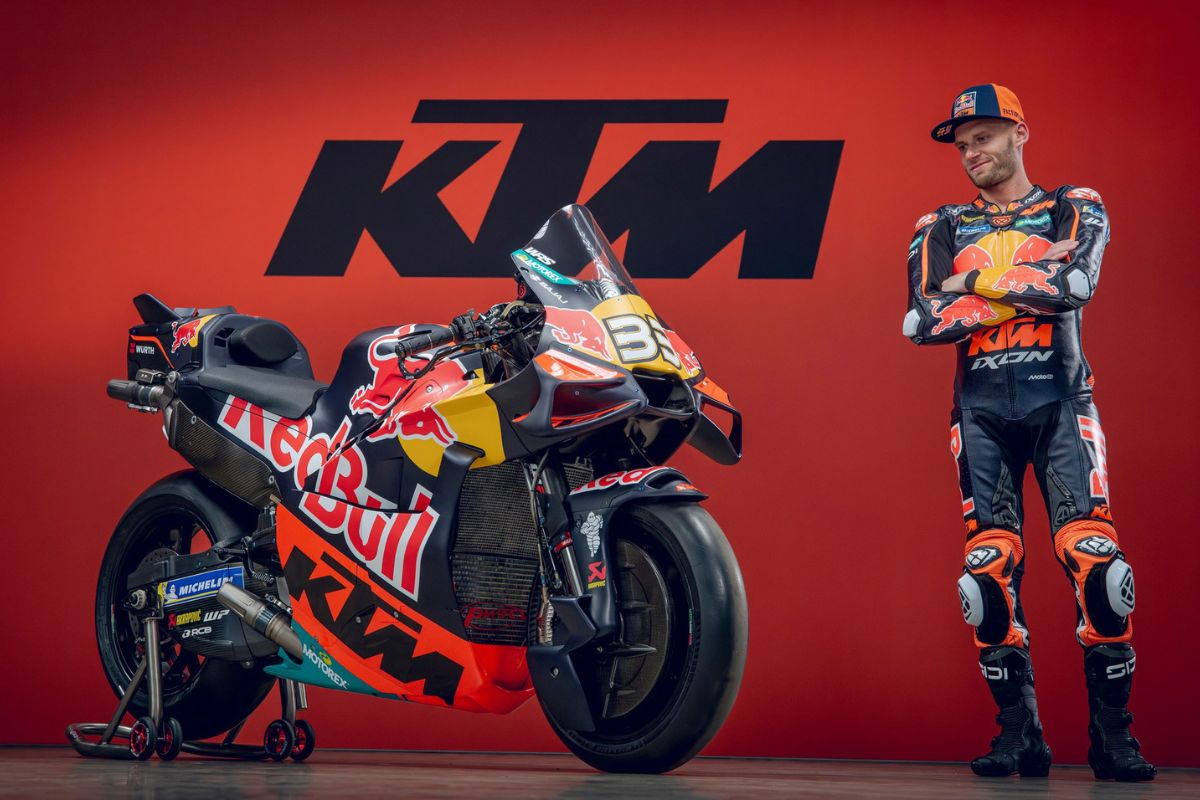
In 2025, KTM had a somewhat mediocre season compared to what we imagine its goals were. It took no wins and only a few podium spots from its star rider Pedro Acosta. Brad Binder managed a laudable series of top tens, which is a far cry from his ambition of race wins. The Tech 3 KTM squad saw Maverick Viñales put forward some encouraging results before he had to step aside because of injuries, while Enea Bastianini scraped together the odd top ten.
After pre-season testing, each orange rider seemed happier with their machine, stating that it has certainly improved from last year, being easier to ride and promising a more consistent pace throughout the race without eating its rear tyre.
That is good news, although the world of motorcycle development is a river on which everyone is floating. It’s good that KTM has moved forward for 2026, but so has everyone else.
Pre-season testing results left Pedro Acosta in sixth, Brad Binder in 12th, Maverick Viñales in 15th, and Enea Bastianini in 18th, more or less where they were last season.
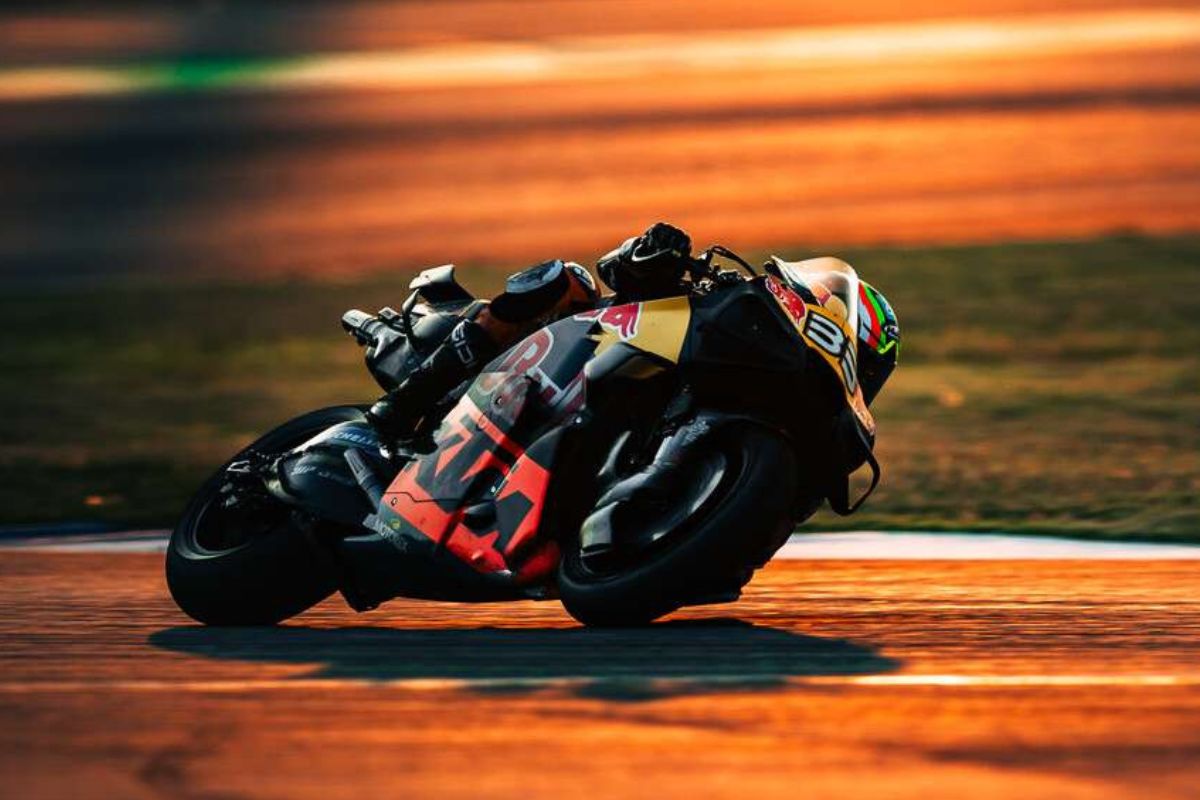
Binder fans might take heart, though, in the fact that Brad is not someone to stick his neck out too far in testing and generally performs better on a race weekend, especially during the Sunday race. Let’s see what happens.
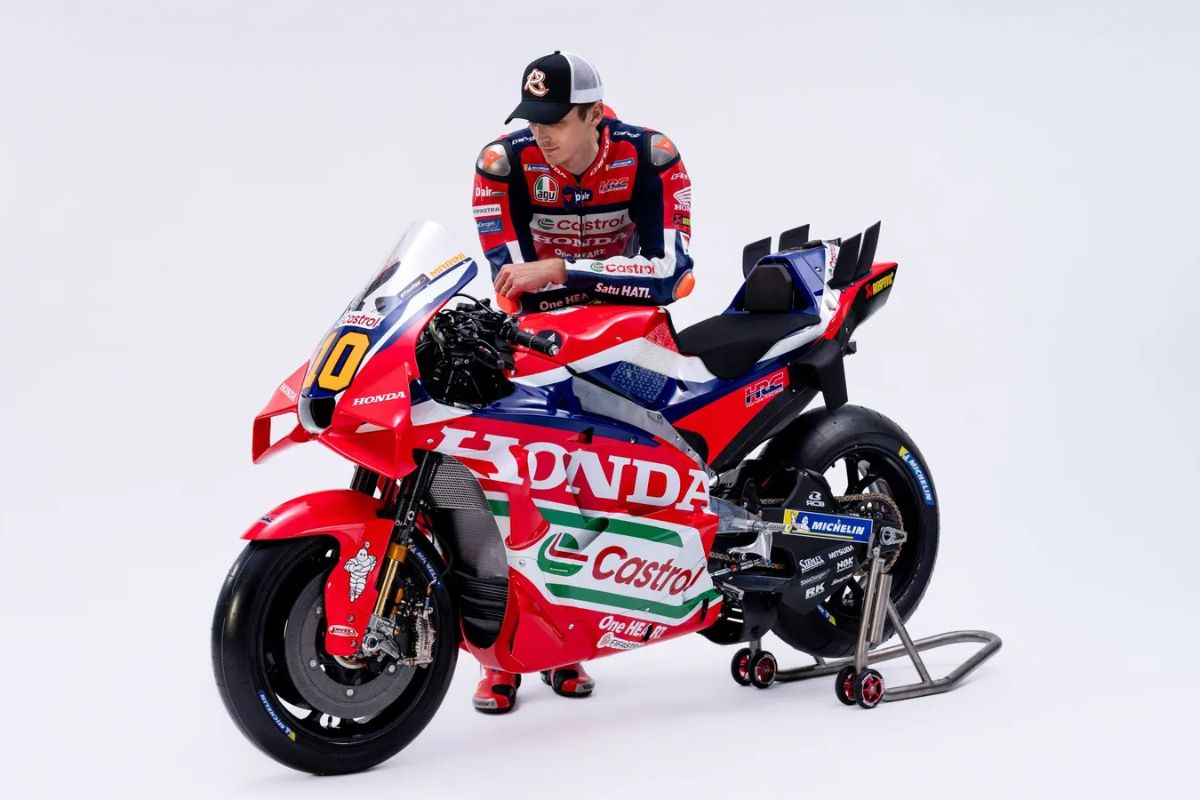
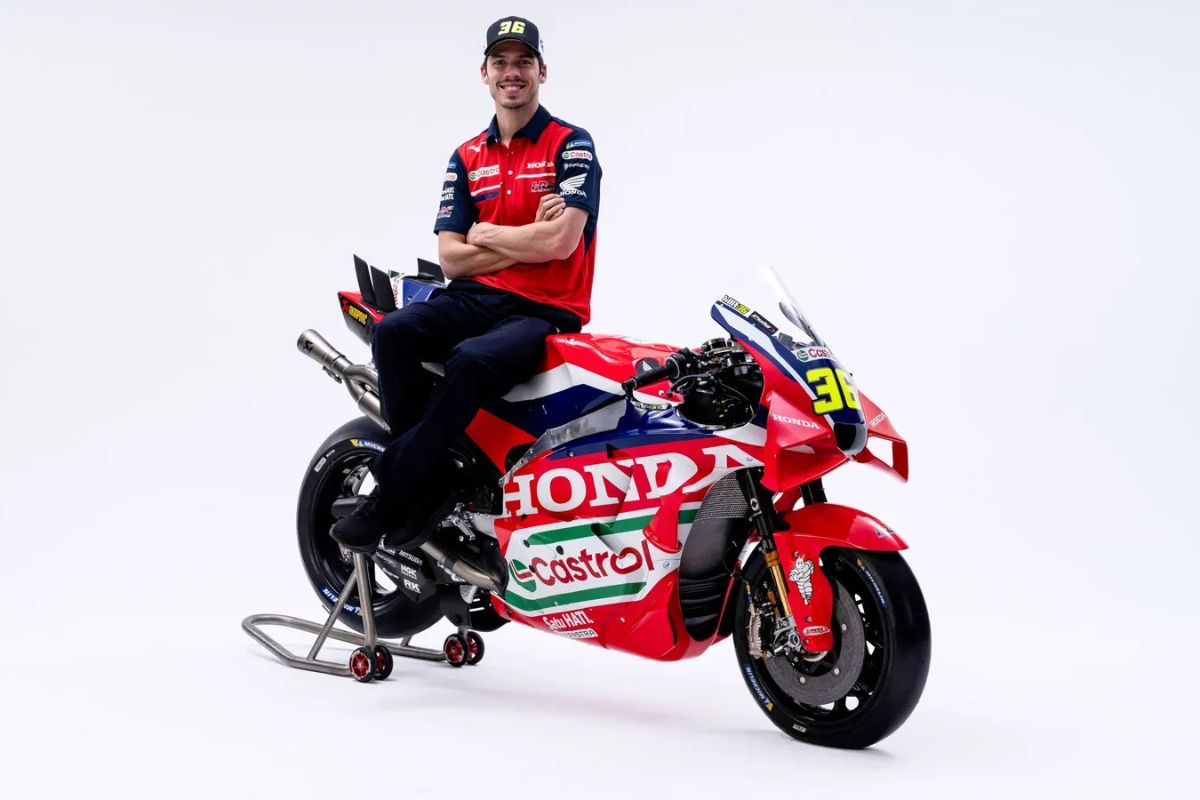
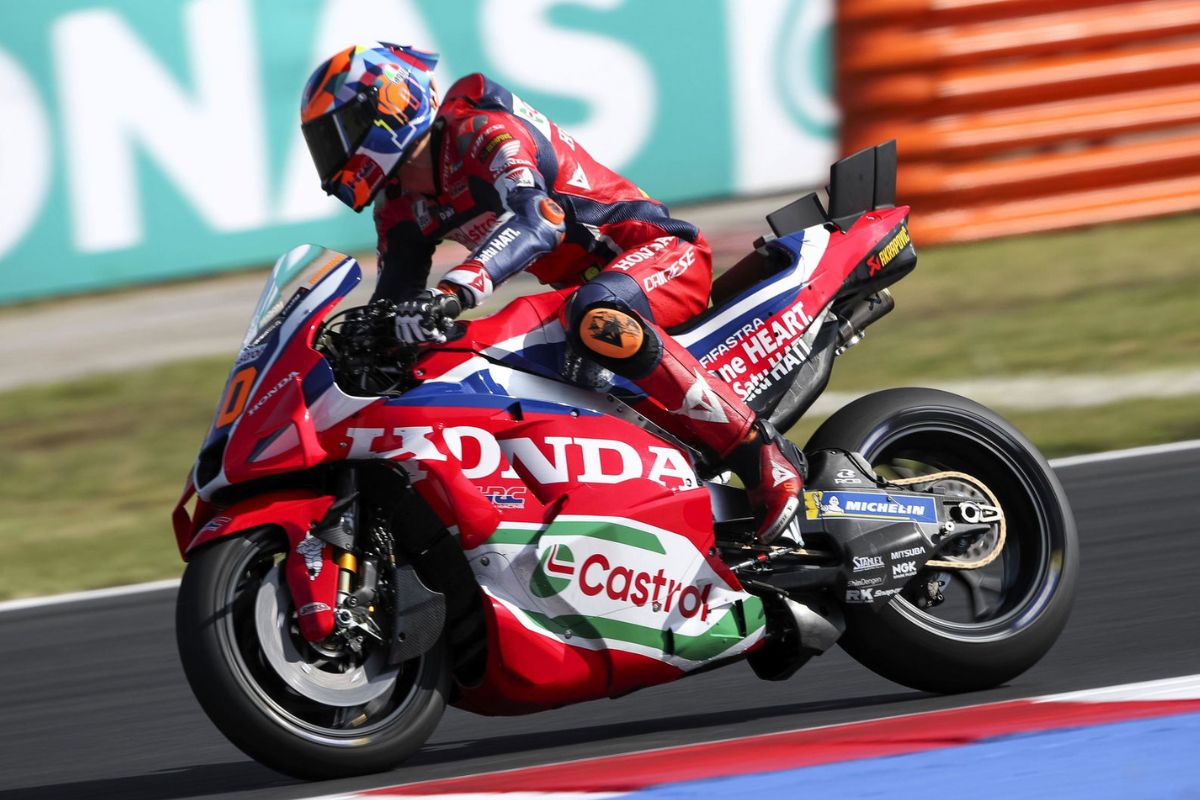
After half a decade of struggles, Honda made major steps during the 2025 season, with riders evolving from back-of-the-pack grid fillers to regular top-ten and occasional podium contenders. It was an exciting time to be a rider for MotoGP’s most successful brand. And yet, 2026 hasn’t started too well.
Joan Mir
After Buriram, Honda’s top rider was Joan Mir in tenth place, more than half a second off Bezzecchi’s Aprilia. The Spaniard cited a severe lack of grip as the bike’s main issue, both at the test at Sepang and more so at Buriram, which makes sense because the Chang circuit features a charitable dose of tight corners onto straights where rear-end grip is key.
Luca Marini
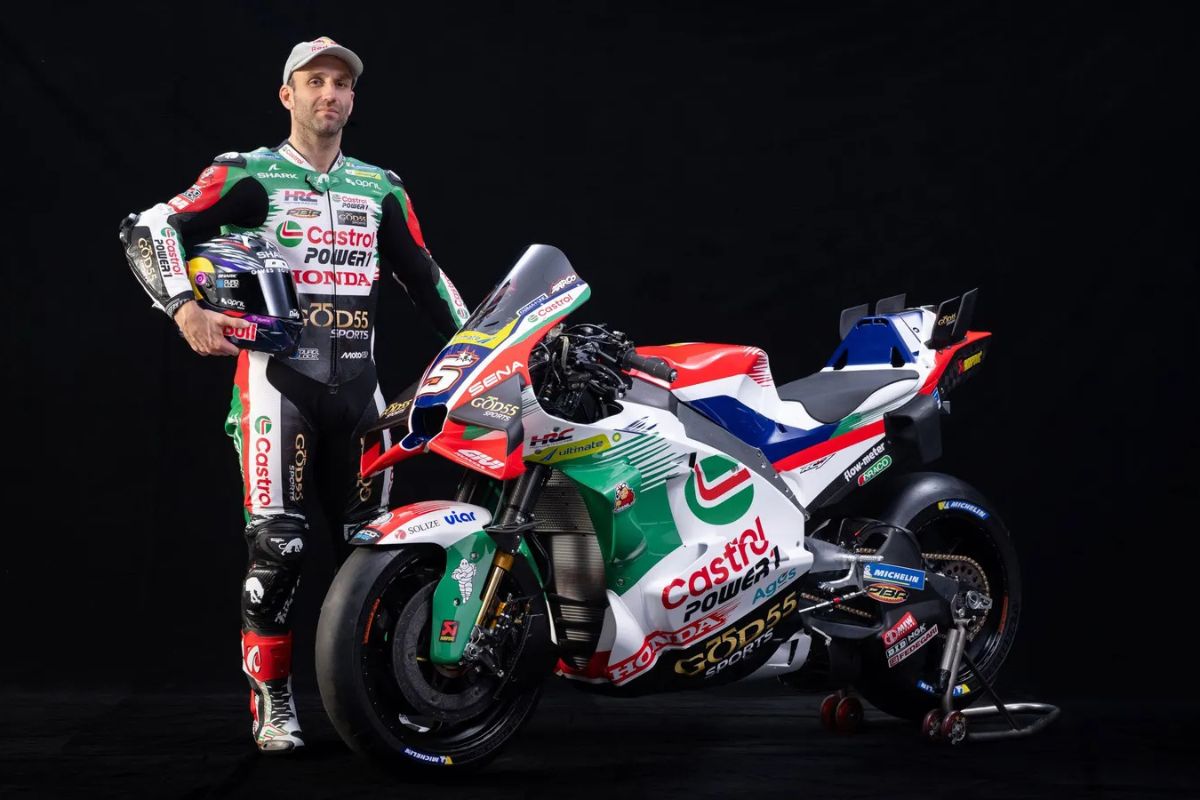
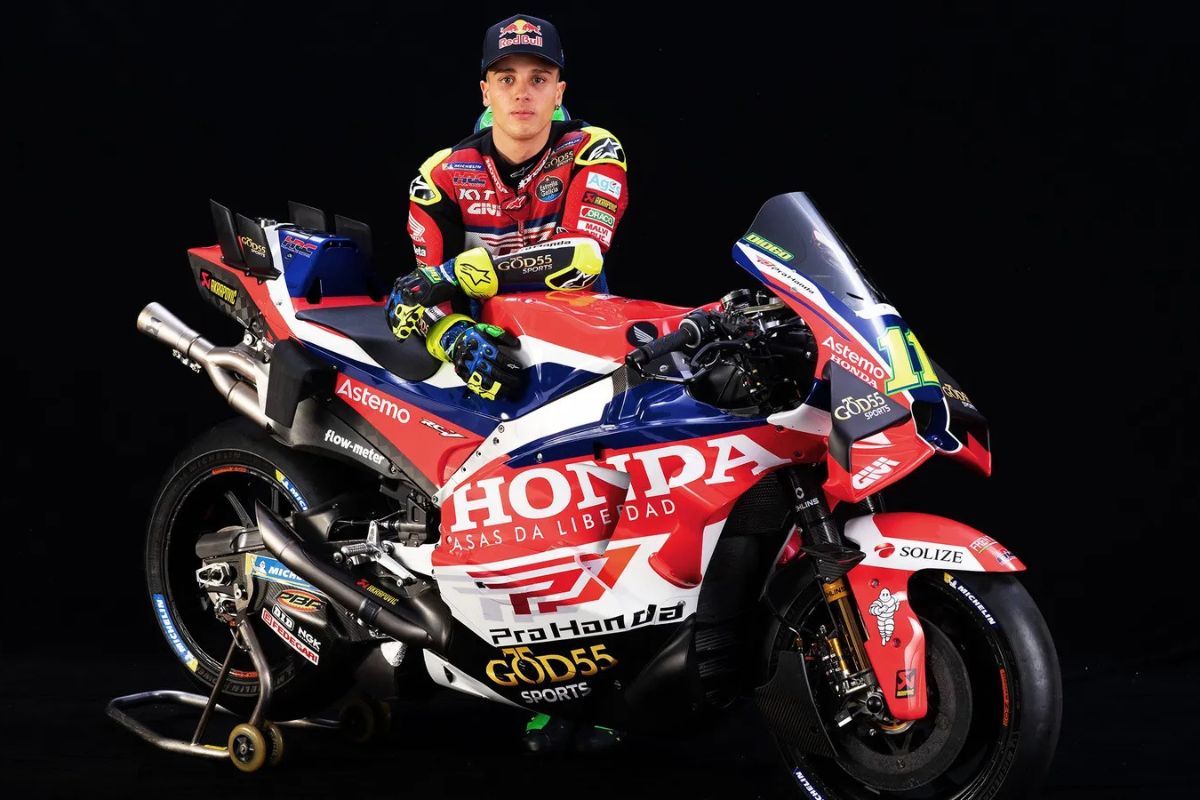
Fellow Honda rider Luca Marini found himself 13th, while Johann Zarco followed in 14th. Brazilian rider Diogo Moreira topped the rookie list in an overall 19th.
It’s possible that Chang is merely a dud circuit for Honda, both because of the aforementioned layout and because the harsh nature of the track means Michelin runs a stiff carcass on its rear tyre that does even fewer favours for a bike struggling with grip.
Honda, as is its pragmatic way, will keep on developing, and a rough start is by no means a death sentence for them in 2026.
Since MotoGP changed from 500cc two-strokes to the fire-breathing four-strokes in 2002, Yamaha has committed its engine layout to inline-four cylinders—a layout that has earned it eight world titles.
Yamaha M1 V4
Since the 2002 change, the MotoGP Championship has become somewhat more democratic. We have seen much of the electronic gadgetry become standard across the grid, while the previous plethora of tyre brands has been whittled down to one supplier.
These major components mostly stay the same, but every now and then we see changes, and when these changes happen, the teams vote on the best alternative, and the direction of development becomes a mandate of the manufacturer masses.
The problem for Yamaha is that it is the only manufacturer using a motor with its cylinders inline, while everyone else has a V-format, hence in every election, Yamaha falls short of votes.
Naturally, these two engine layouts produce different characteristics, and nowadays Yamaha has found itself having to make do with a development direction that favours V-four motors.
Alex Rins
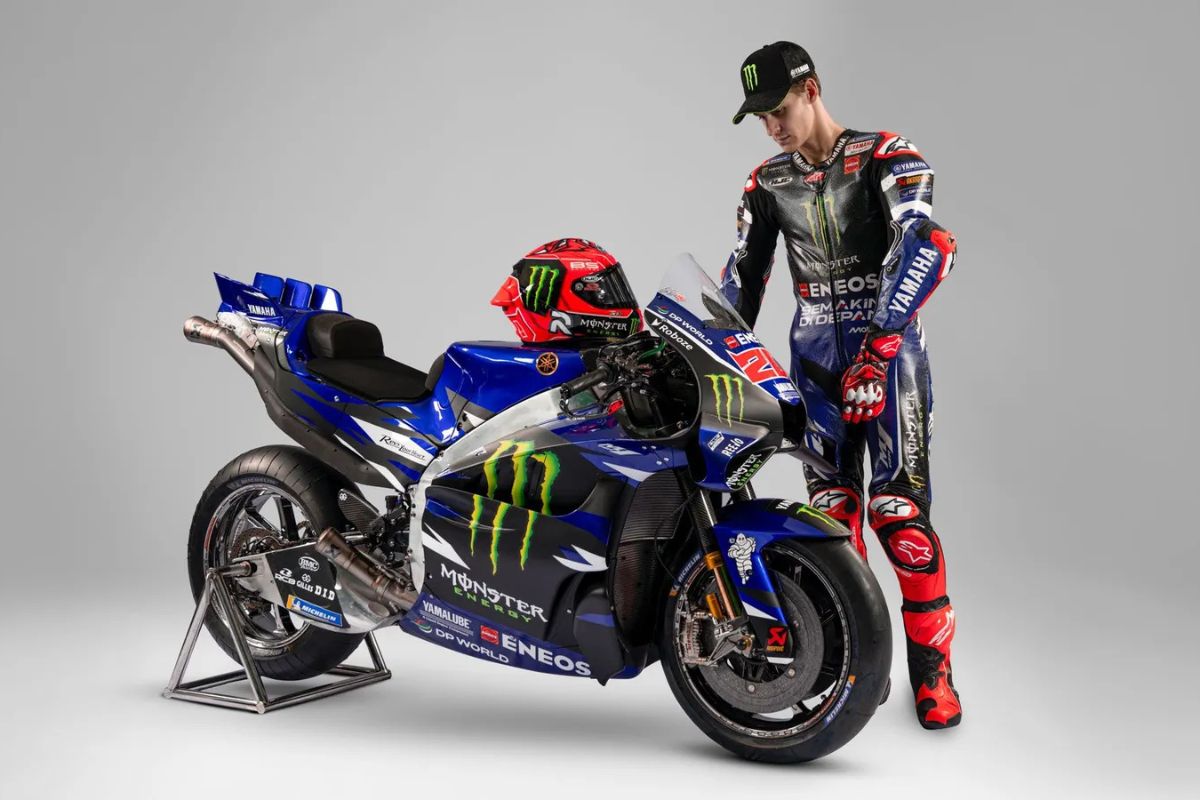
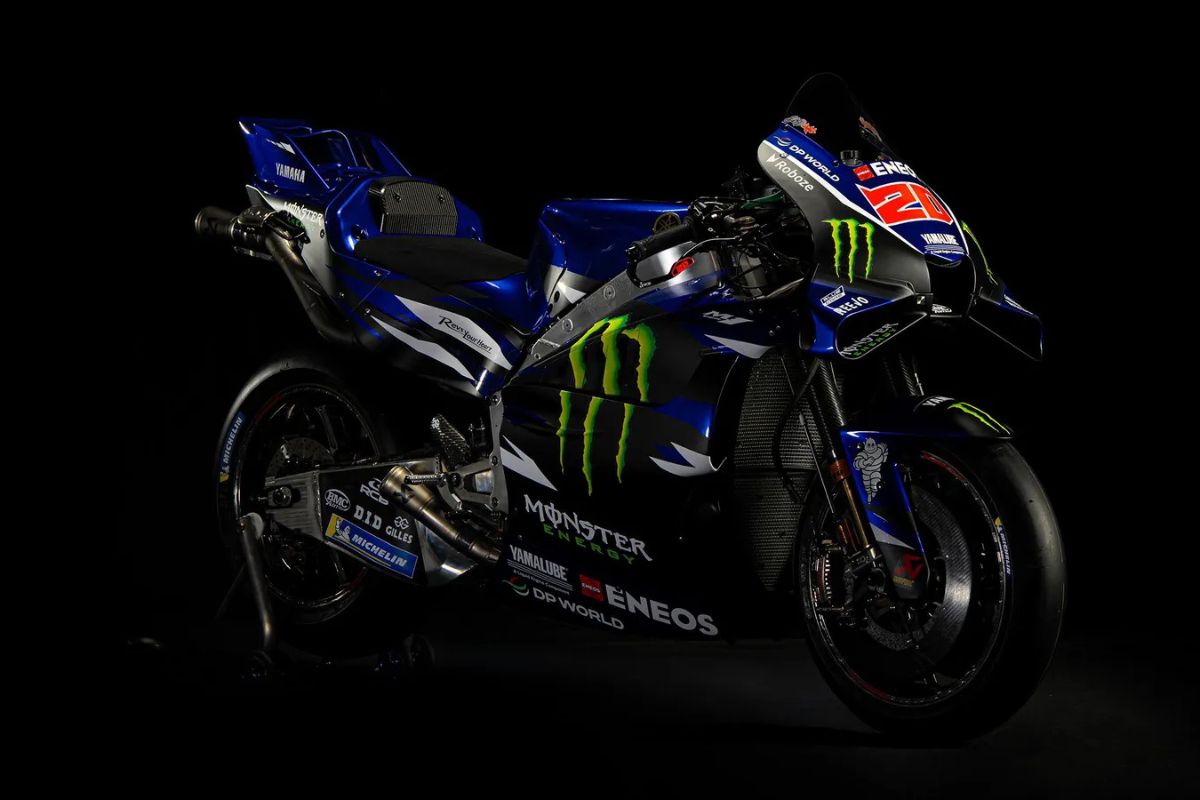
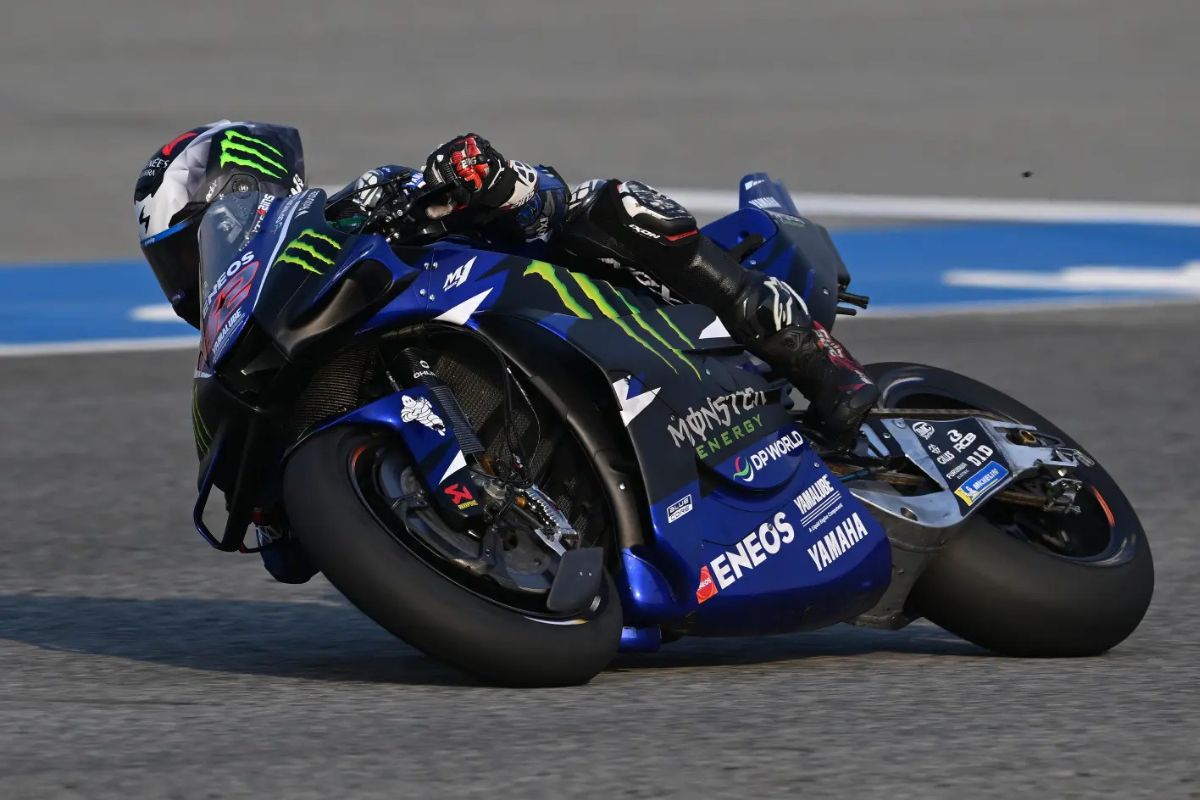
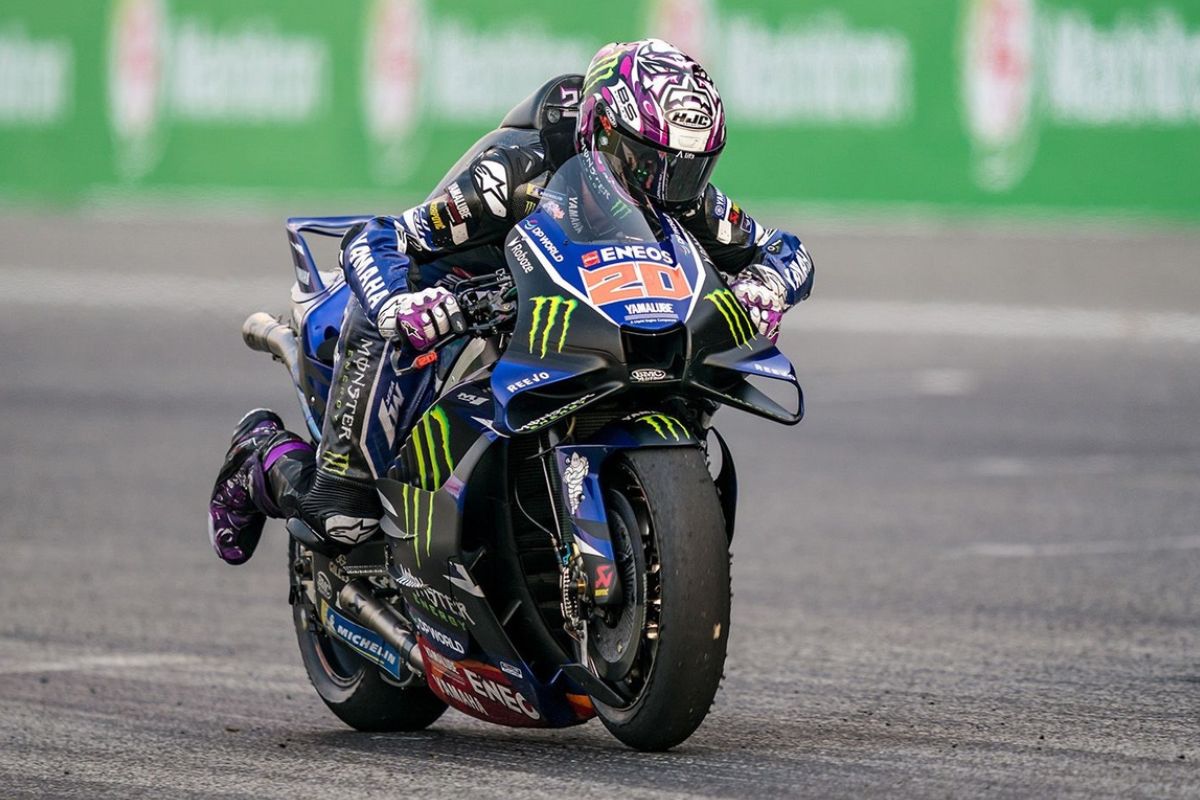
As they say, if you can’t beat ’em, join ’em. Thus, for 2026, Yamaha is fielding a V-four motor for the first time in MotoGP. Obviously, with a 24-year deficit in V-four experience, the Japanese brand is a little behind.
In terms of speed, the Yamaha riders find themselves close to 10 km/h behind the fastest bikes. Meanwhile, the new engine layout means an entirely different mass distribution, creating a new set of handling characteristics that Yamaha has not yet mastered. Also, V-four bikes are narrower, requiring different aerodynamic, ram-air, and cooling designs. And then the power delivery of the V-four is different, so the electronic gurus need to start from scratch building completely new maps.
Jack Miller
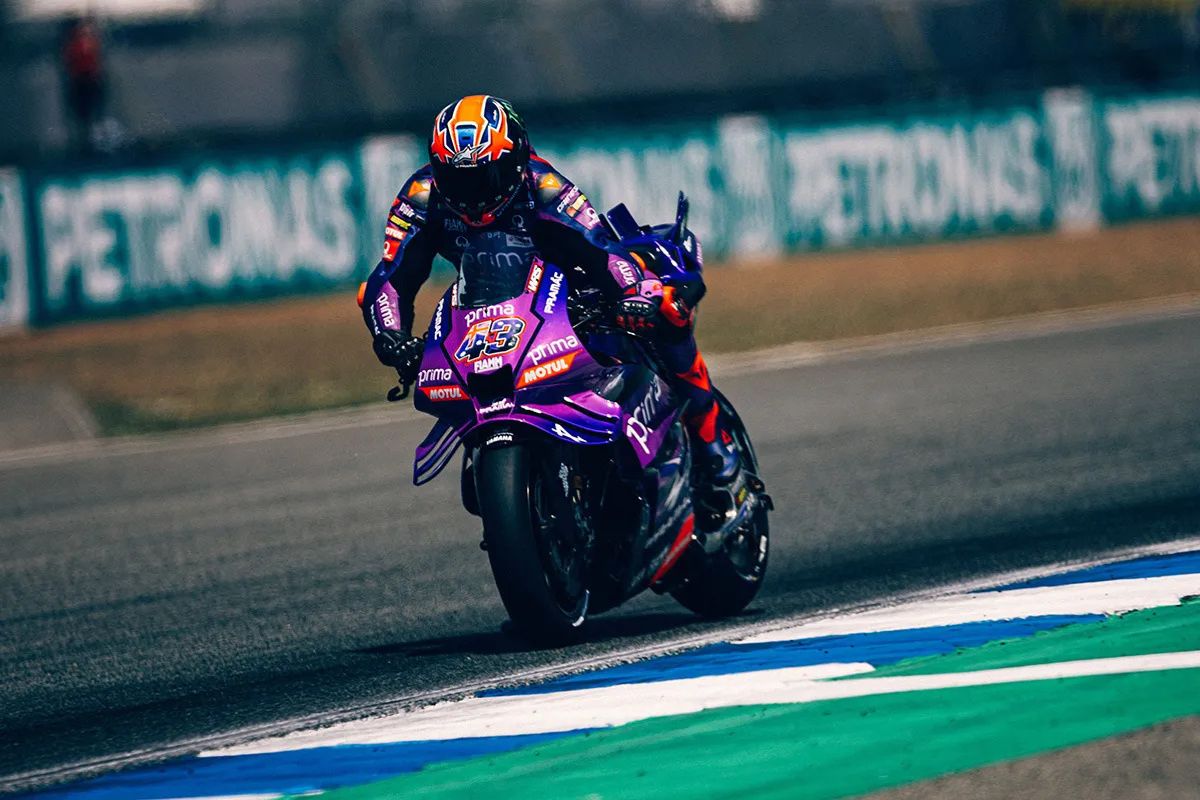
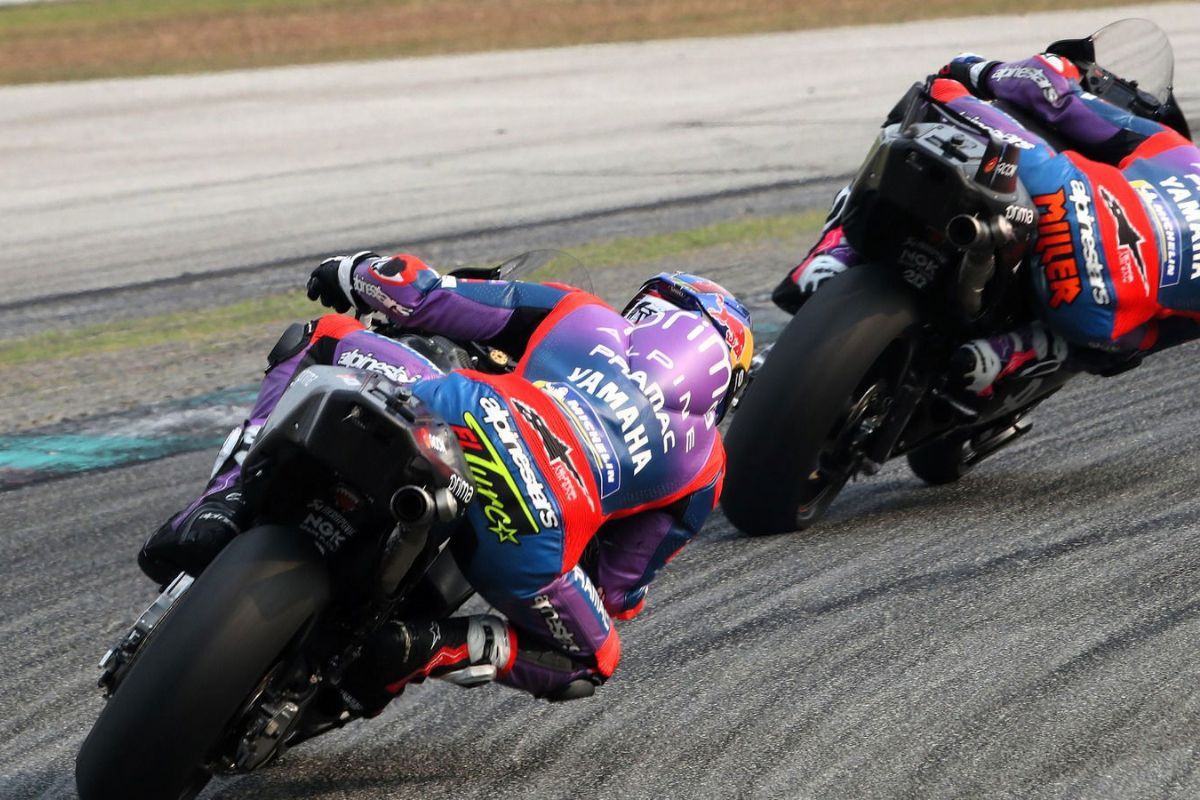
It’s a tall order, so the Yamaha riders finished the Buriram test with Miller in 16th, Quartararo in 17th, Rins in 20th, and WorldSBK hotshot Razgatlioğlu suffering in a distant 21st.
In general, the Yamaha riders appreciate that they are now part of a new journey that will take time and should, eventually, produce results. The one rider not seeing the bright side is Fabio Quartararo, which is understandable.
Fabio Quartararo
The Frenchman is the 2021 world champion and is certainly one of the most talented riders on the grid, possibly even better than Márquez. He’s turning 27 this year and is at the peak of his career. He should be using this time to challenge for wins, possibly even championships. Instead, he’s finding himself playing test rider while Yamaha figures out its new direction. We are very likely to soon hear that Quartararo has signed somewhere else for 2027, most likely Honda. We can’t exactly blame him.
Toprak Razgatlıoğlu
Yamaha also features the sensational signing of WorldSBK maestro Toprak Razgatlioğlu, who is surprisingly struggling with the move from road-based motorcycles to prototypes. MotoGP machines might outwardly resemble their World Superbike counterparts, but that’s where the similarities end.
Collin Edwards MotoGP 2006
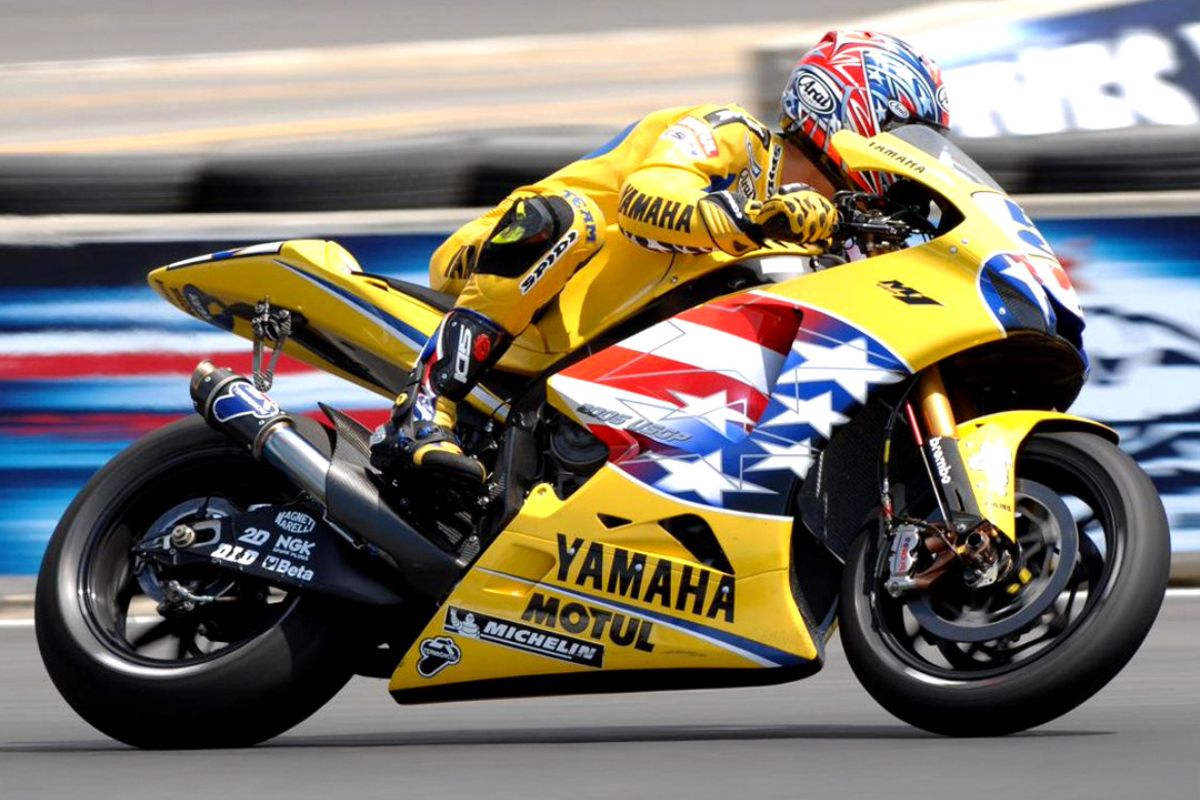
Colin Edwards, who also made the switch from WSBK to MotoGP in the early 2000s, described WSBK as sitting on a couch while MotoGP prototypes were like perching on a bar stool. They have stiffer chassis, harsher motors, and much more brutal carbon brakes. The biggest difference between the two series, though, is the tyres, where WSBK uses Pirellis, MotoGP circles on Michelins. The two brands are polar opposites.
Toprak hard on the brakes in WorldSBK
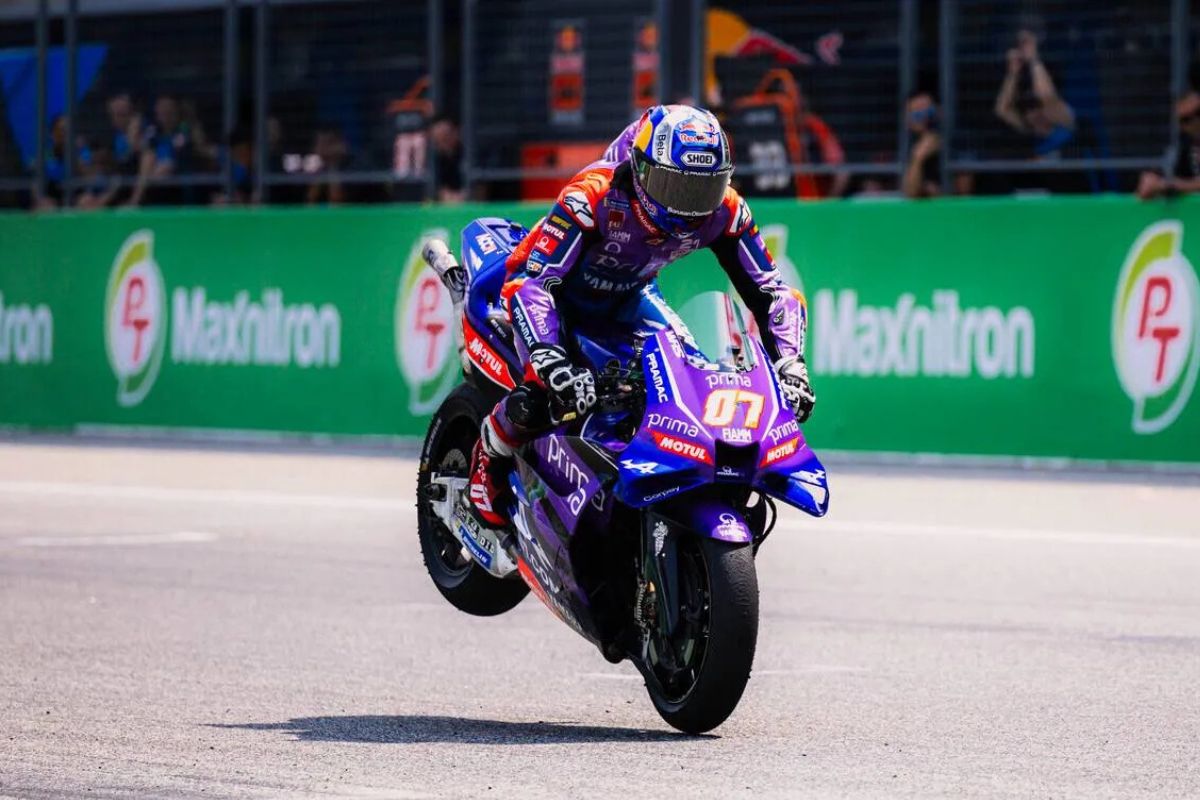
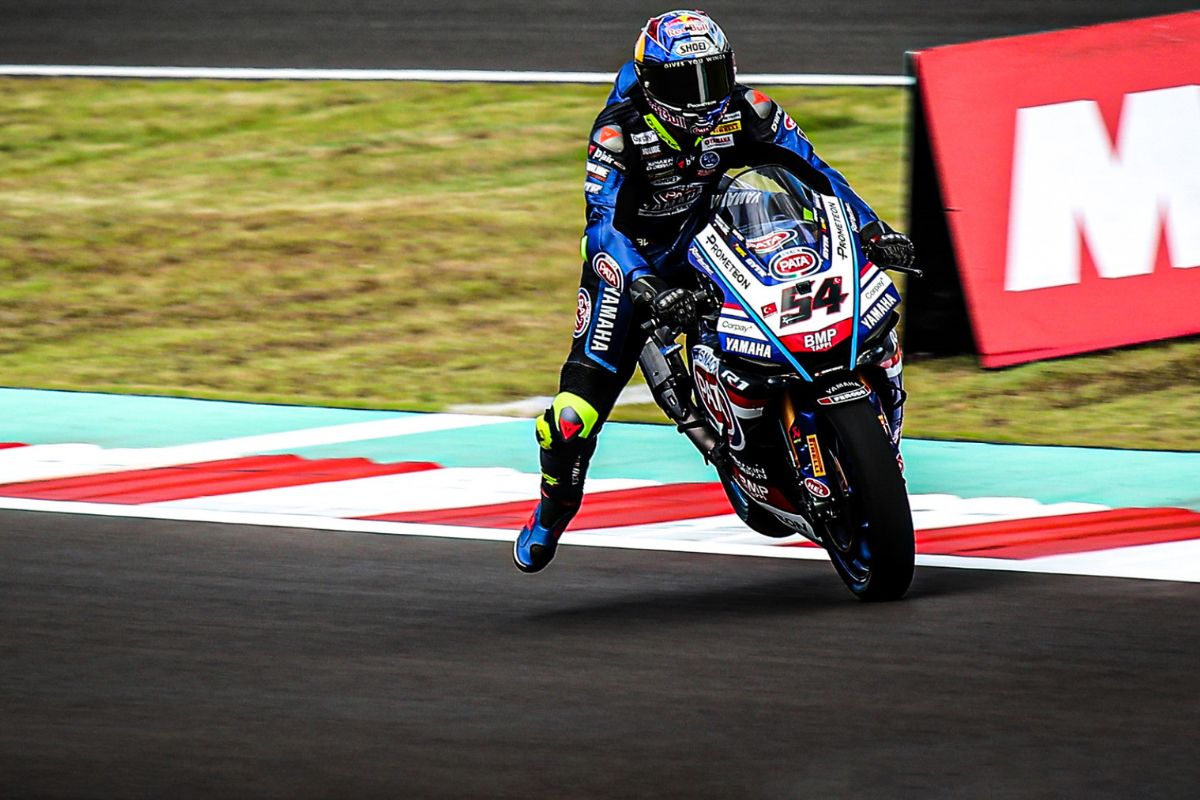
Toprak’s biggest strength is his ability to brake extremely hard, lifting the rear wheel and having the bike weave about seemingly out of control, then stopping the bike in the middle of the corner and accelerating hard out.
Pirelli tyres handle these pressures well. Michelins do not. The front has a tendency to lock when overworked, while the rear needs to be gently nurtured out of the corner rather than having the full thrust of the motor laid upon it in an instant.
The biggest issue, and we have heard this a few times before, is that once the rear starts spinning, it won’t stop, no matter how much the rider or electronics try to manipulate it. Toprak was amazed to find himself spinning the rear not just in the corners, but for a good distance down the straights also.
It’s going to be a long year for the Yamaha riders, especially for Toprak