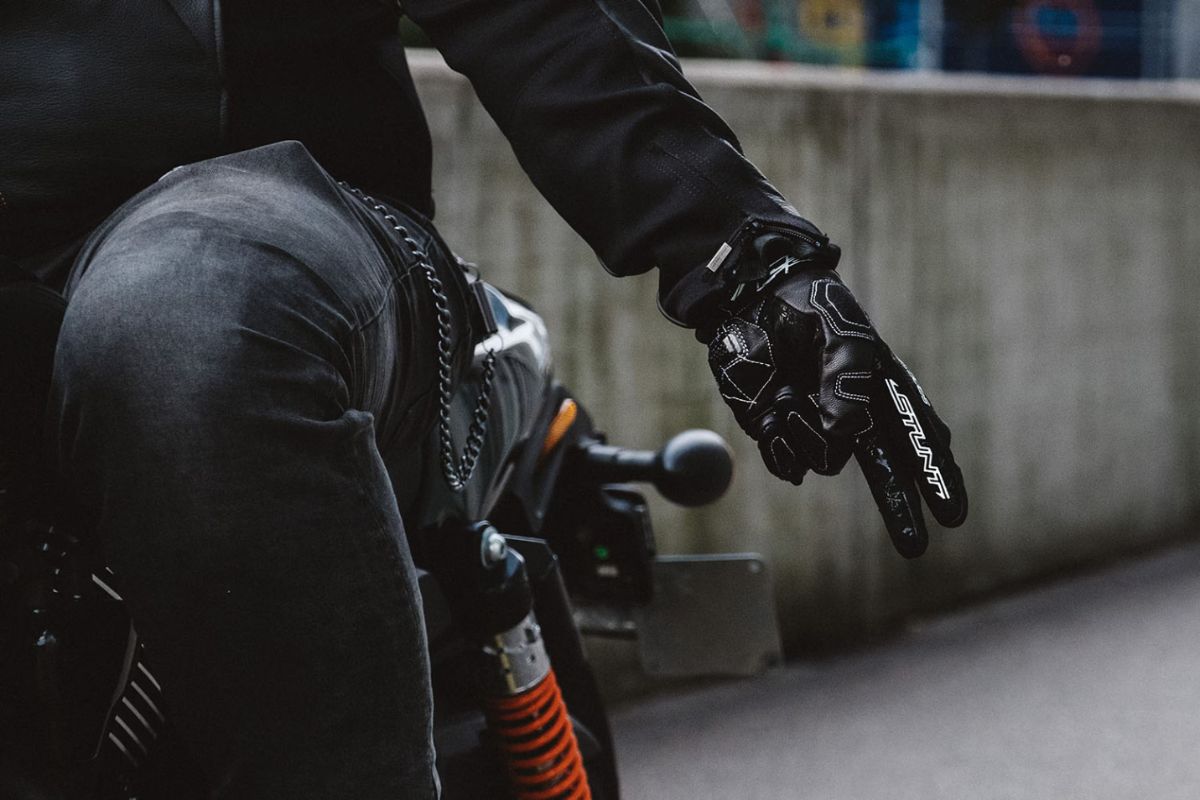
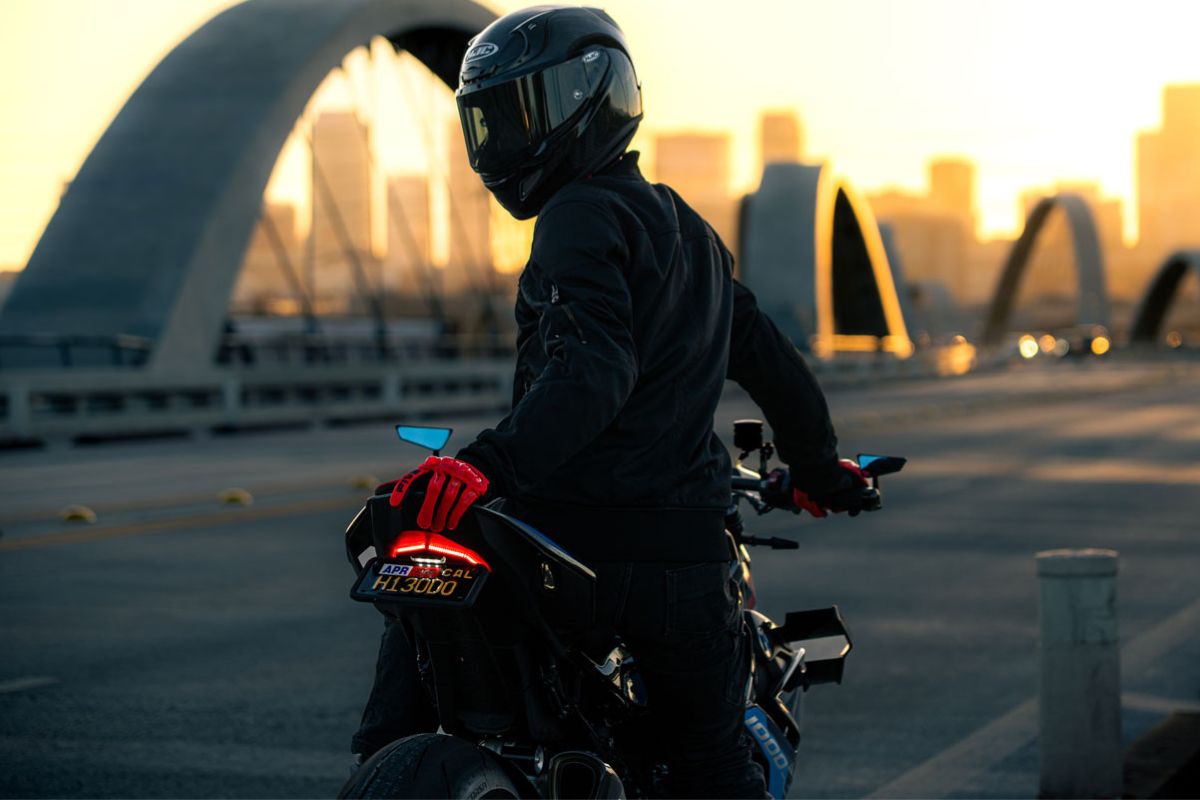
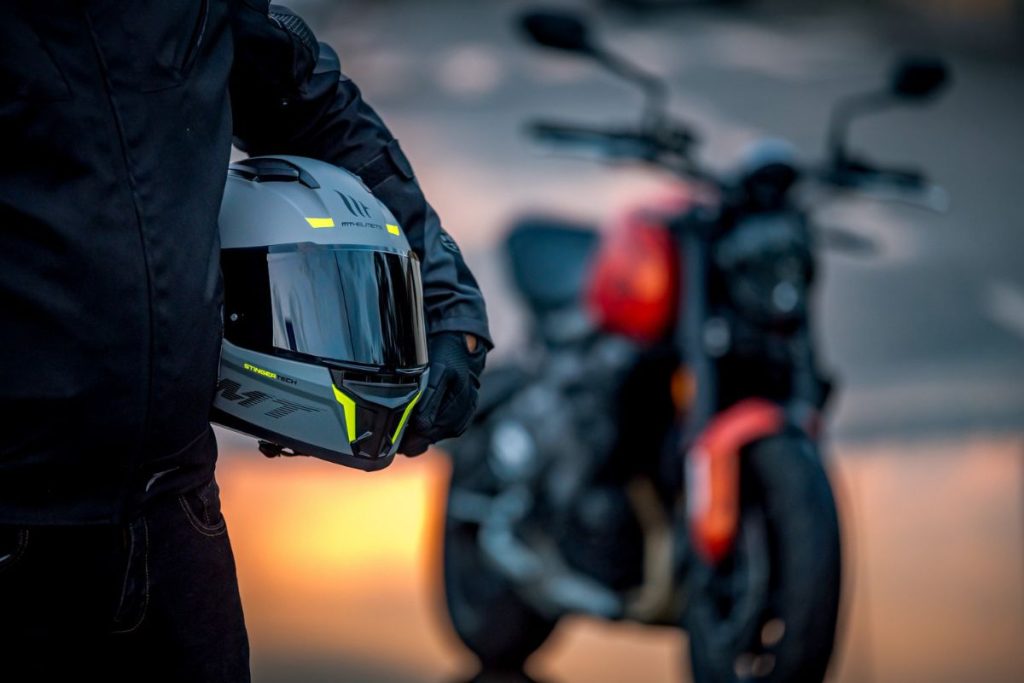
In the summer months, we’ve seen some strange stuff creeping in… Theres a guy on a Hayabusa who passes us every day wearing shorts, a vest and takkies.
Sure! It’s his call, but… you know where this is going.
Over the next few weeks, we are partnering with a few of the brands to bring you informed information about the benefits of safety gear from crash helmets, to boots, jackets and of course – gloves.
Ask any experienced rider what usually hits the ground first in a crash and the answer is almost always the same: Your hands. It’s instinct. The moment something goes wrong, you reach out to break the fall. That simple human reaction is exactly why a proper pair of motorcycle gloves isn’t optional gear, it’s essential safety equipment.
Too many riders still treat gloves like an accessory. In reality, they’re one of the most important pieces of protection you can wear every time you throw a leg over a bike.
Dress for the slide and not only the ride…
Helmets might get most of the attention, but gloves deserve the same level of respect.
The rule is simple: If the bike is moving, the gloves should be on.
They protect the body parts you rely on most to control the motorcycle and react in an emergency.
Hey! You use your hands and fingers for everything you do – look after them!
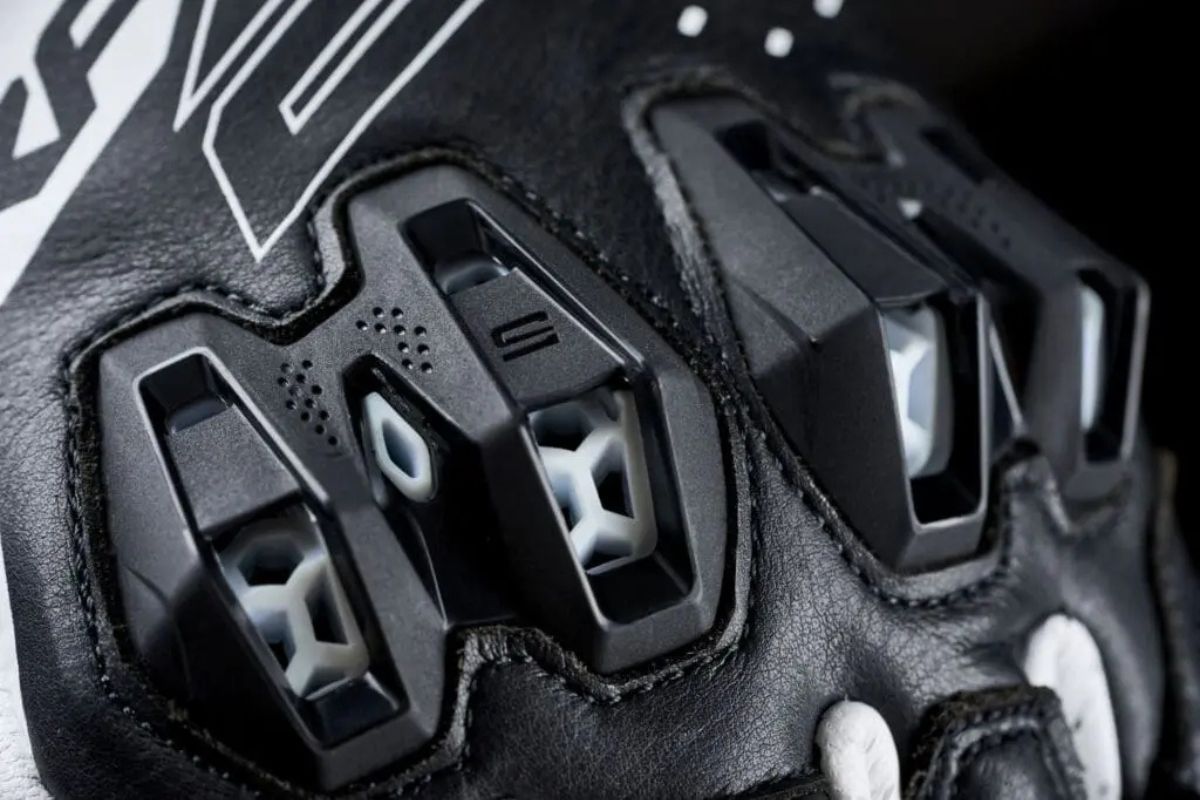
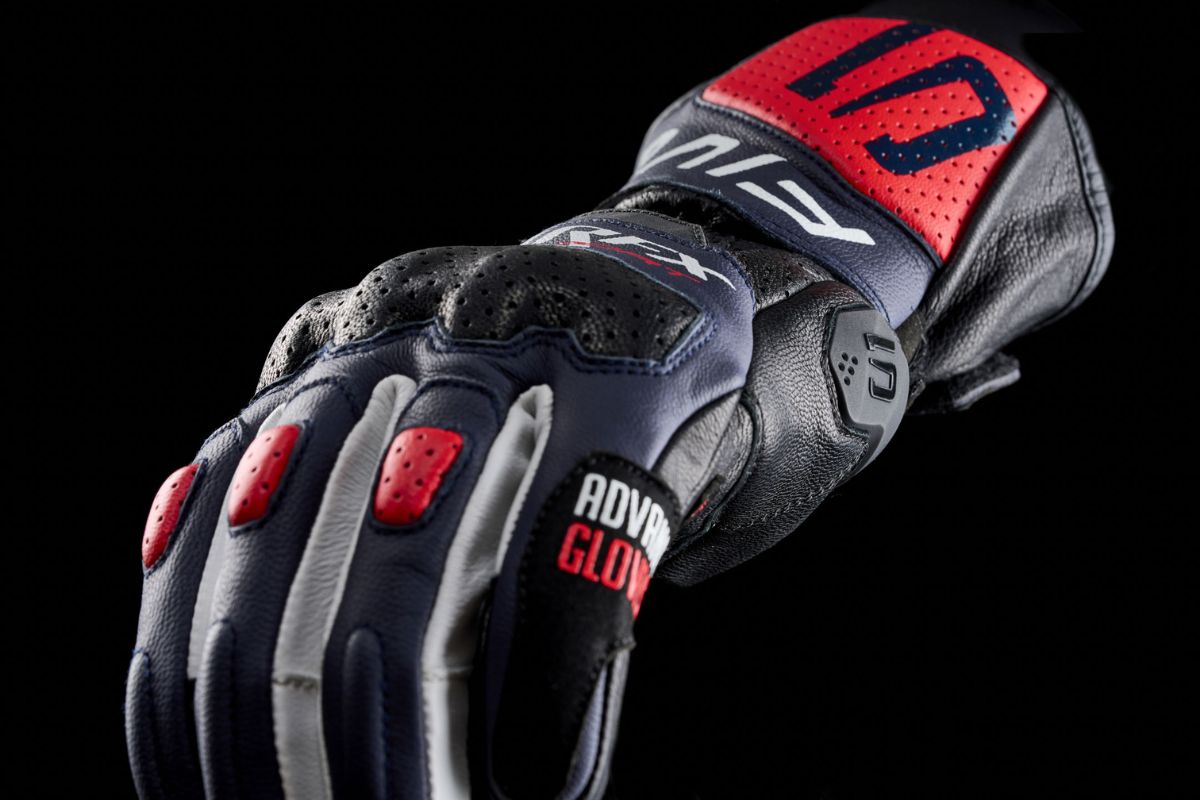
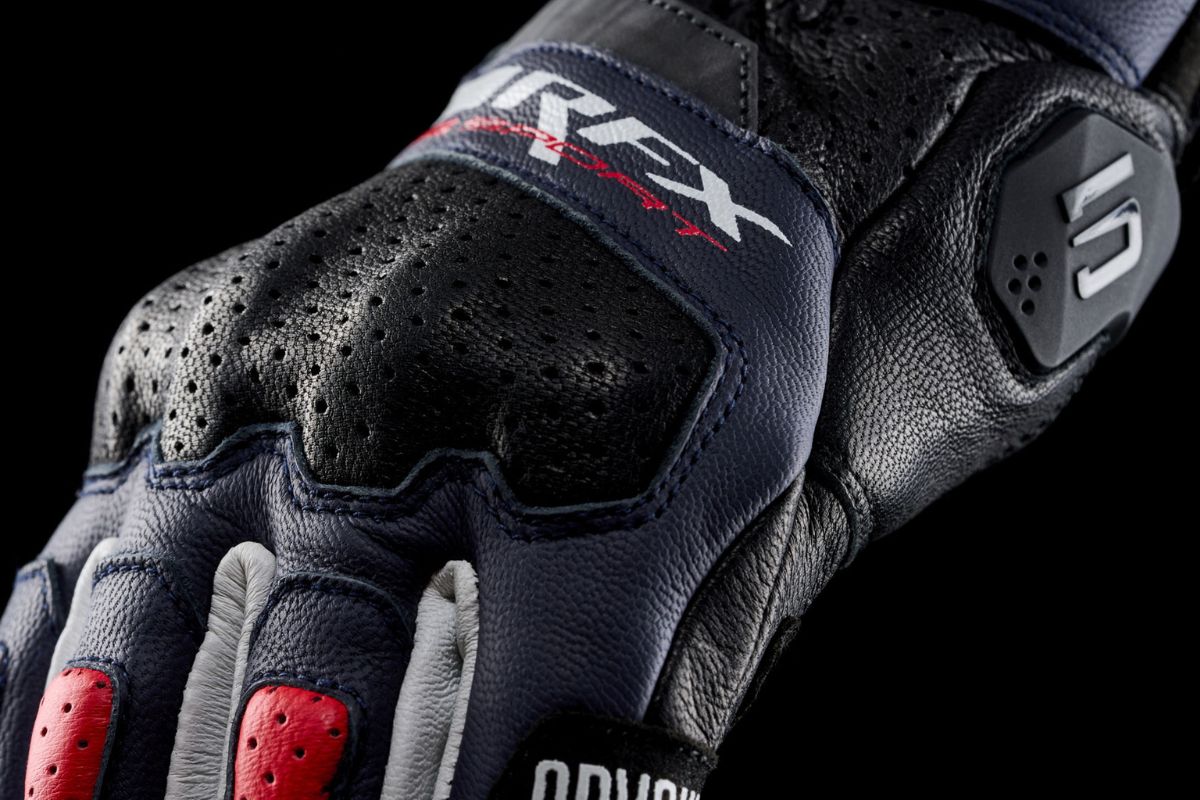
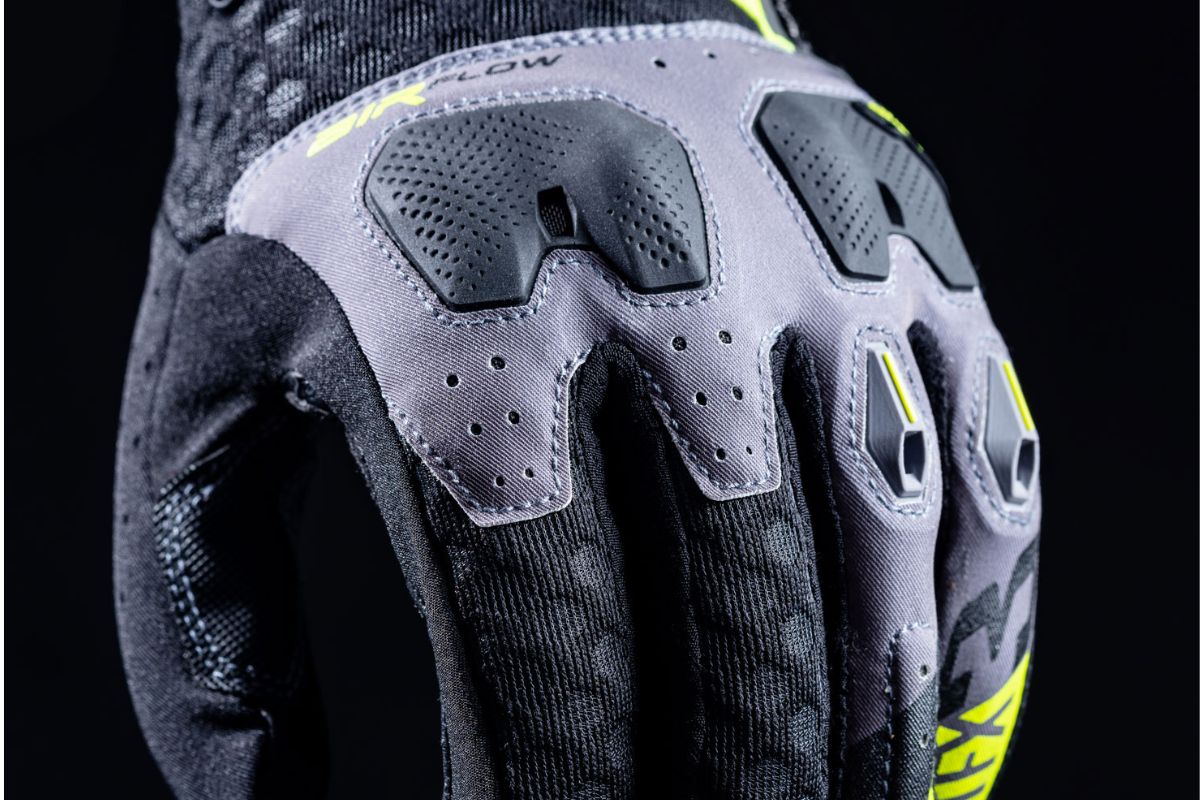
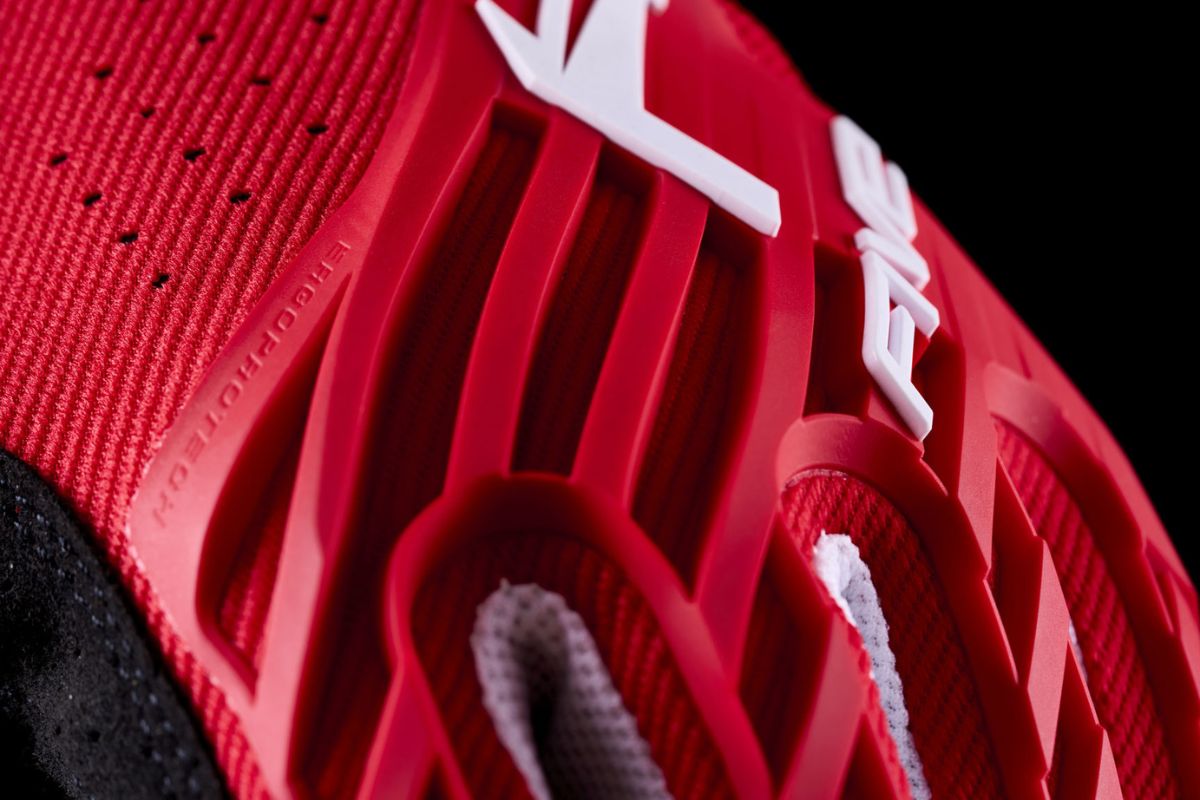
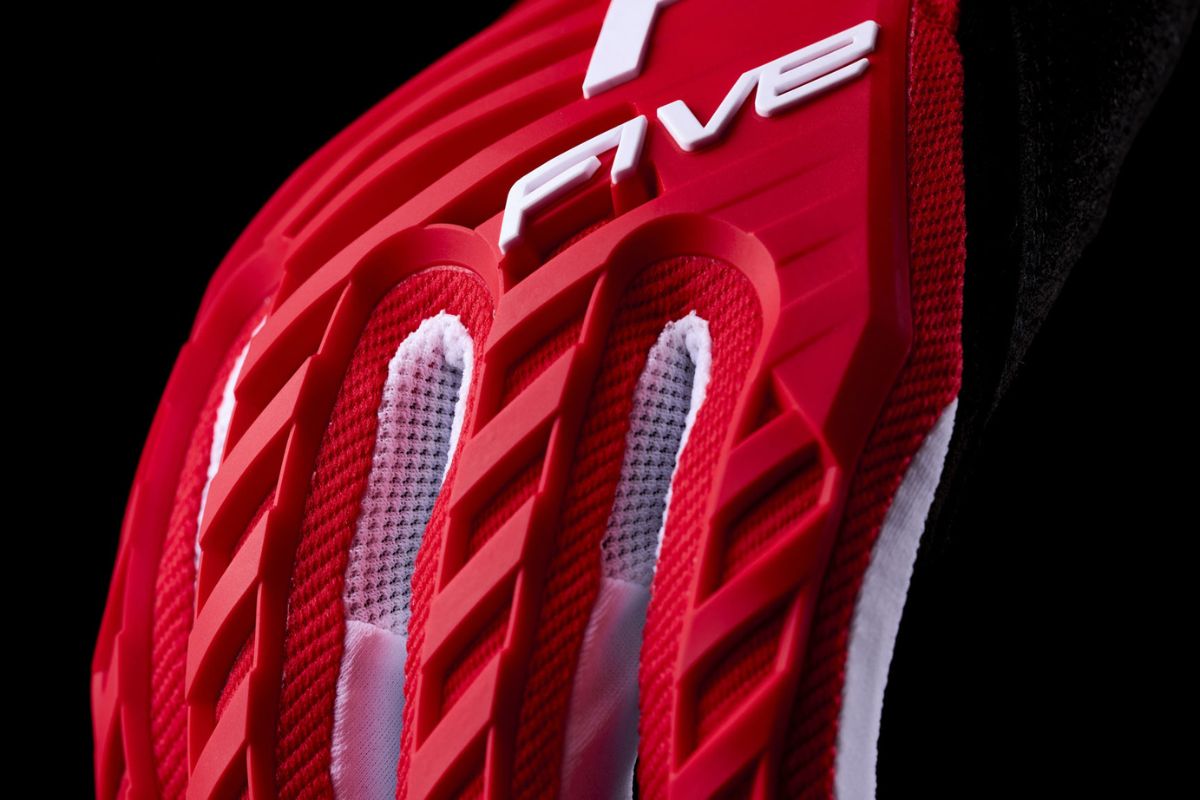
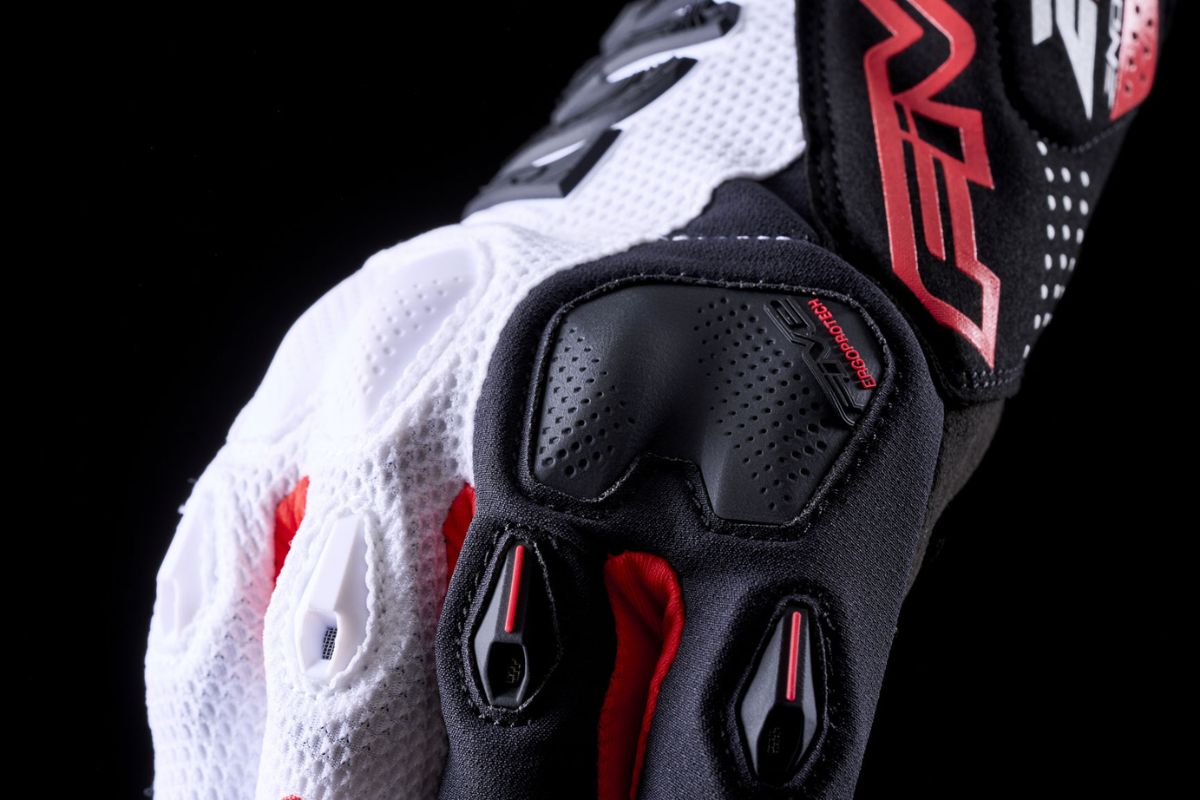
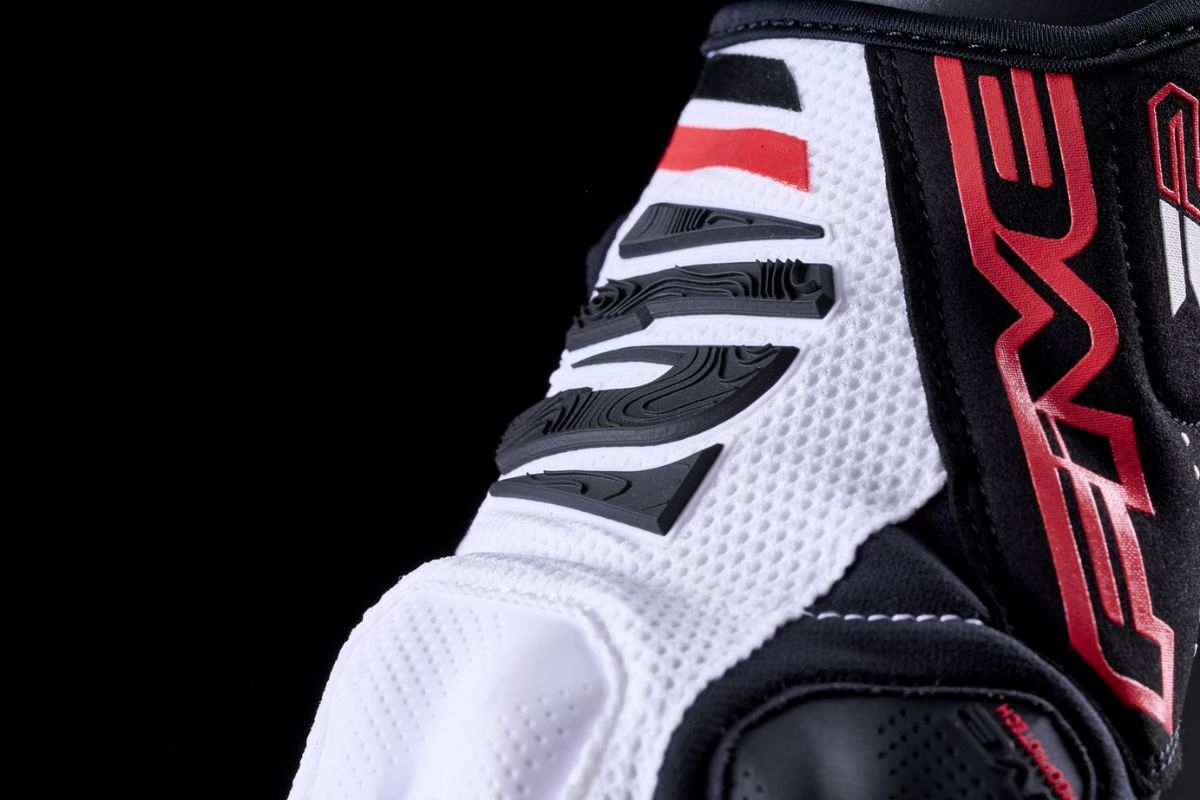
Vented knuckle protection.
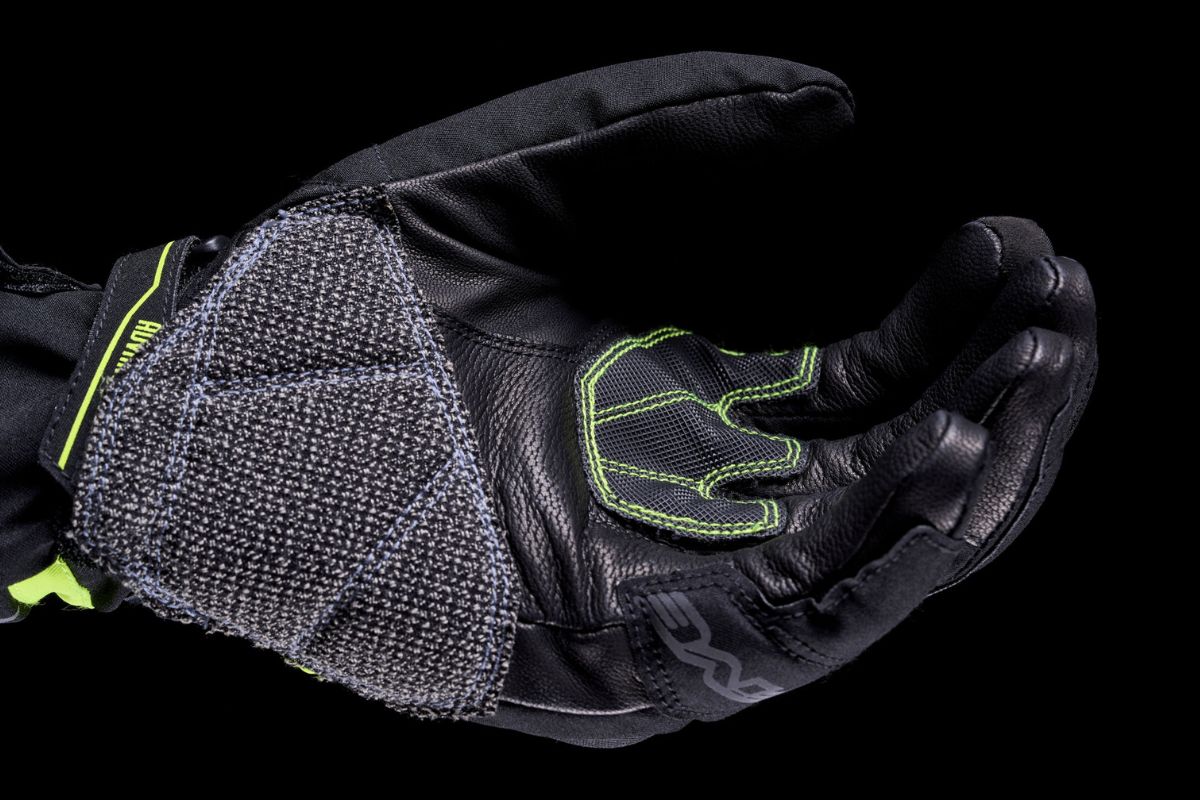
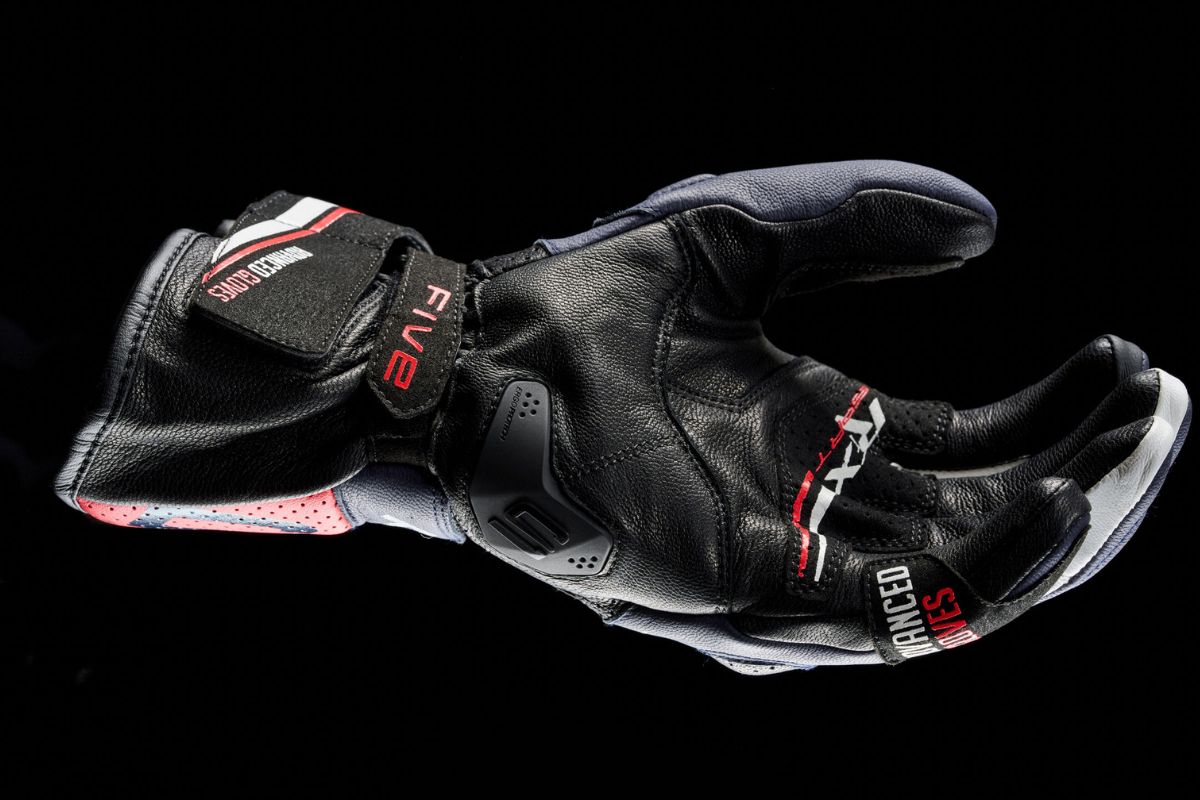
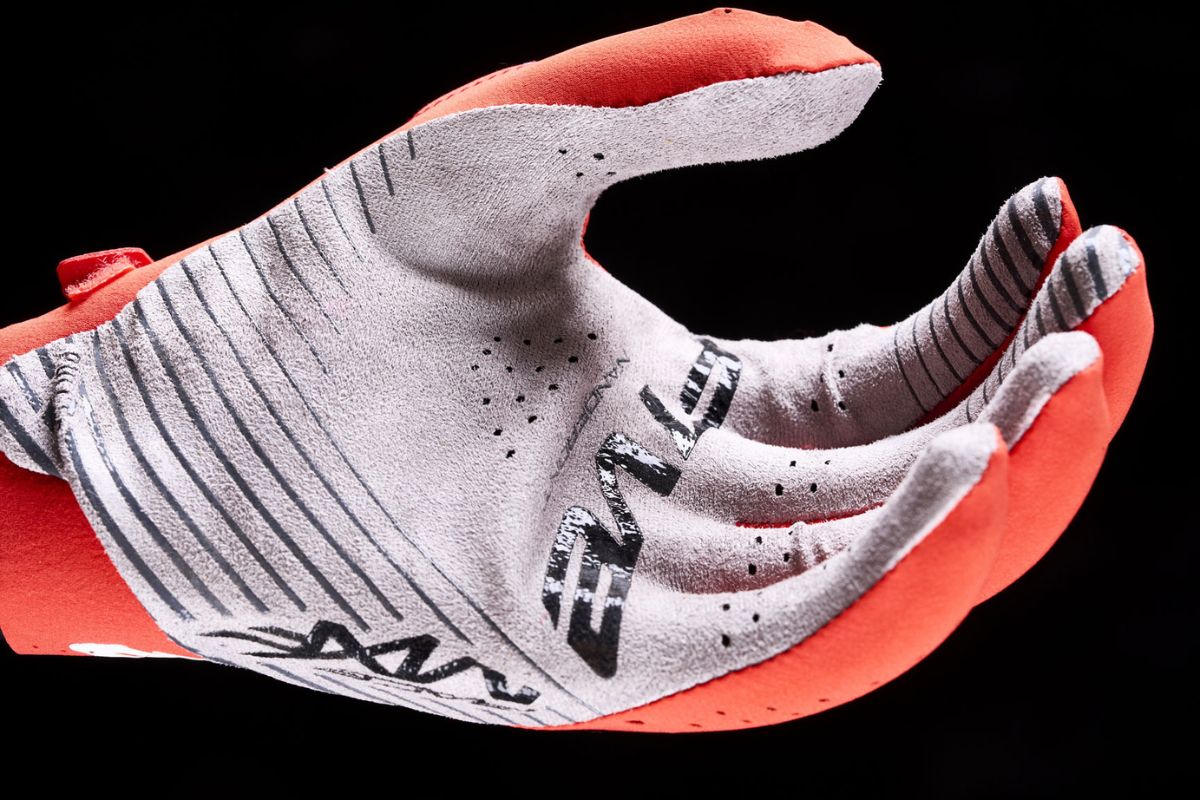
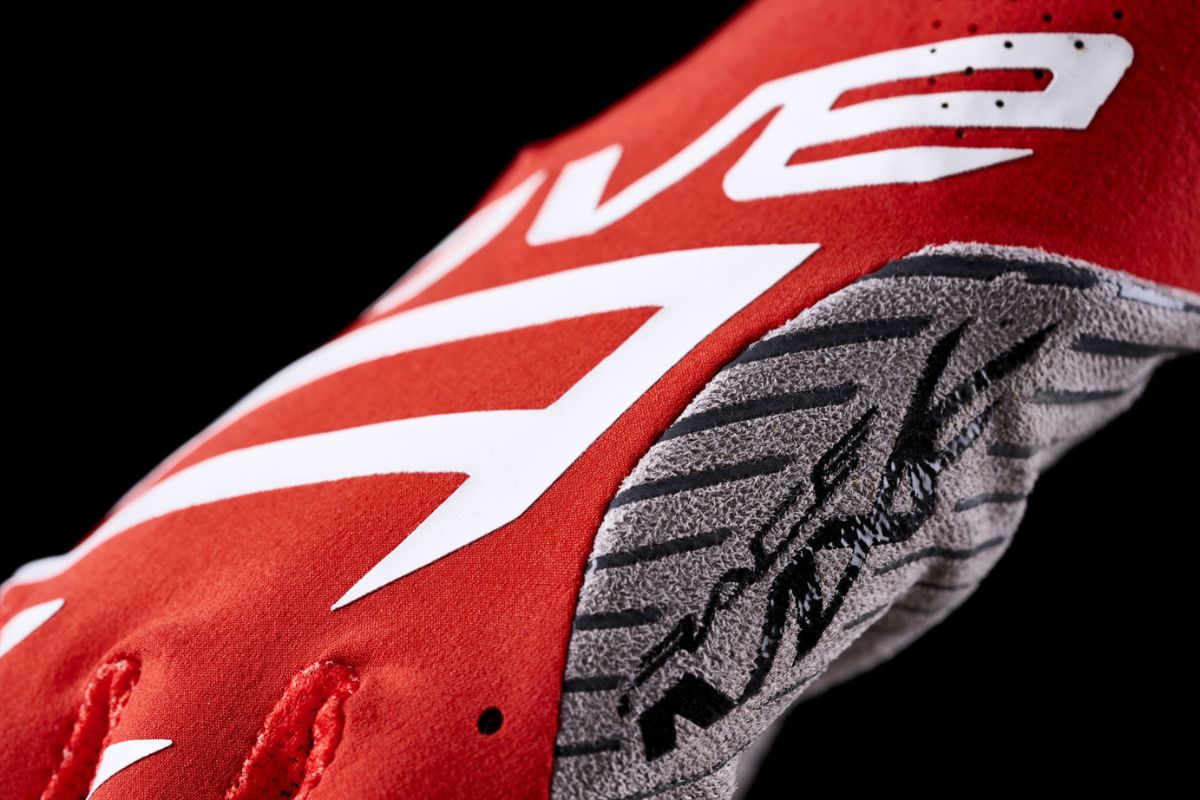
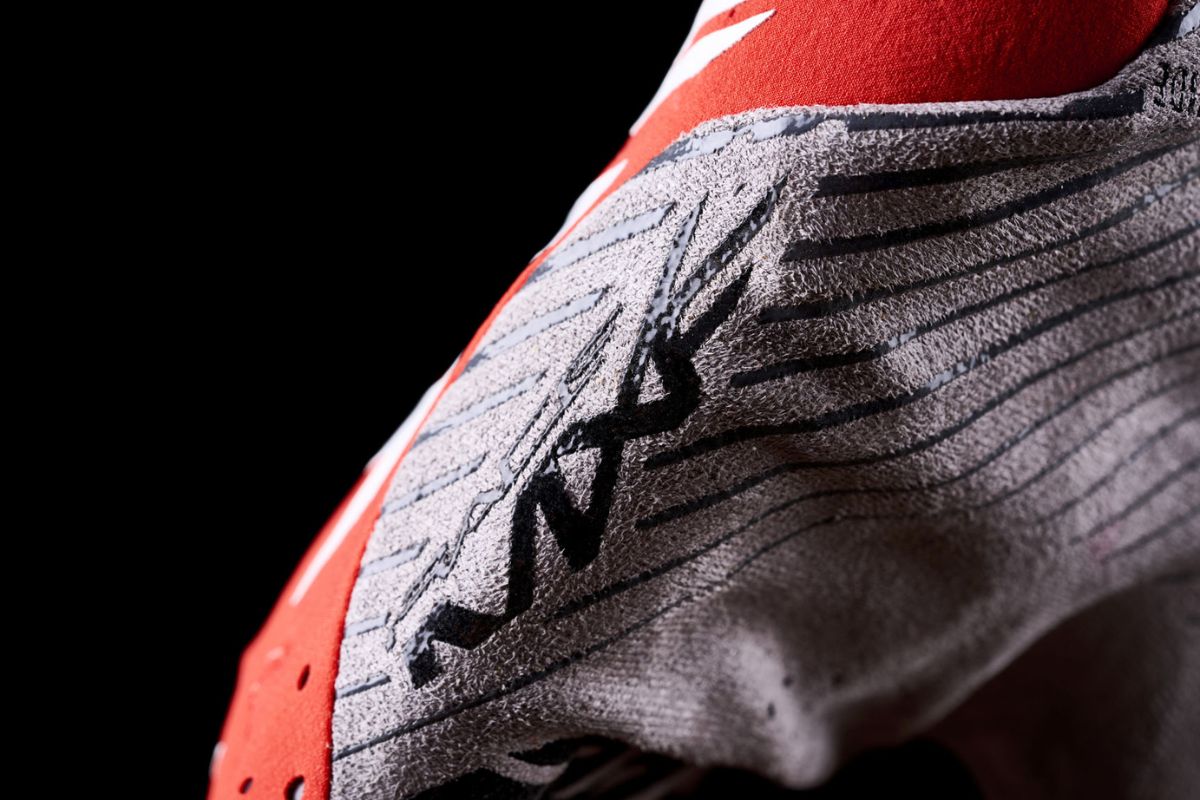
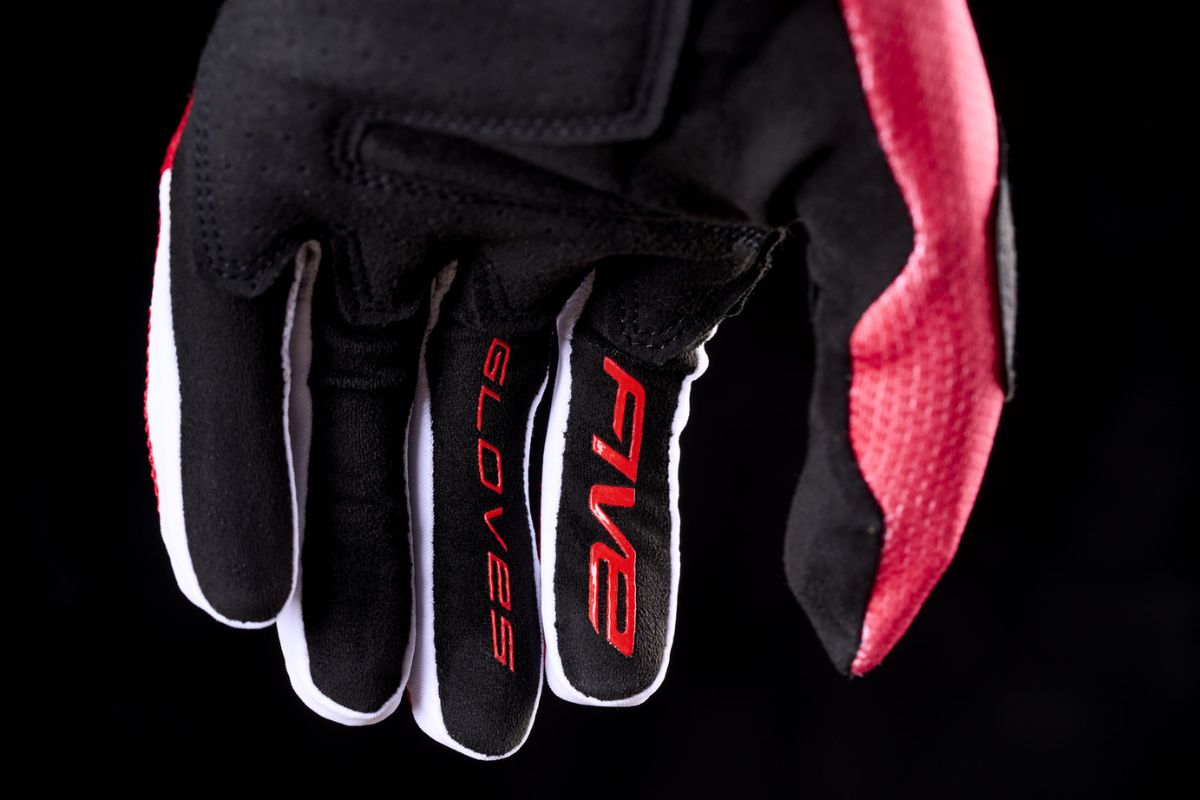
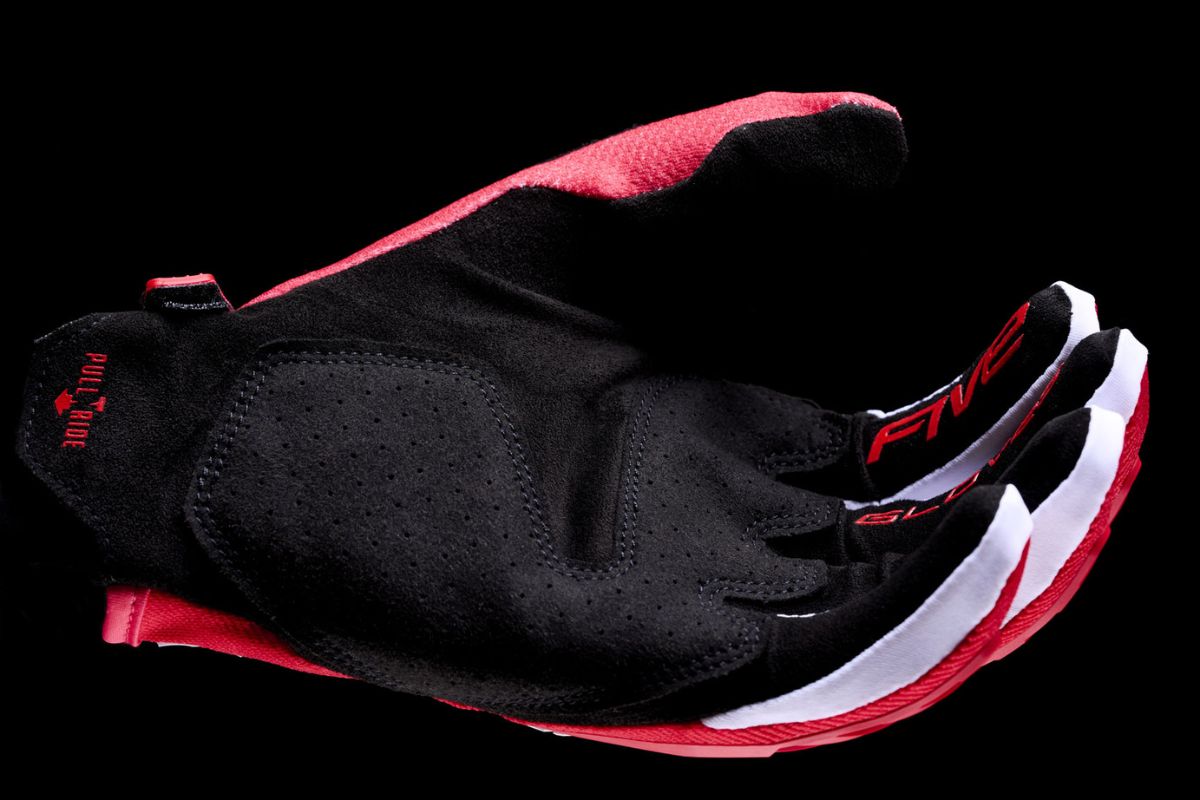
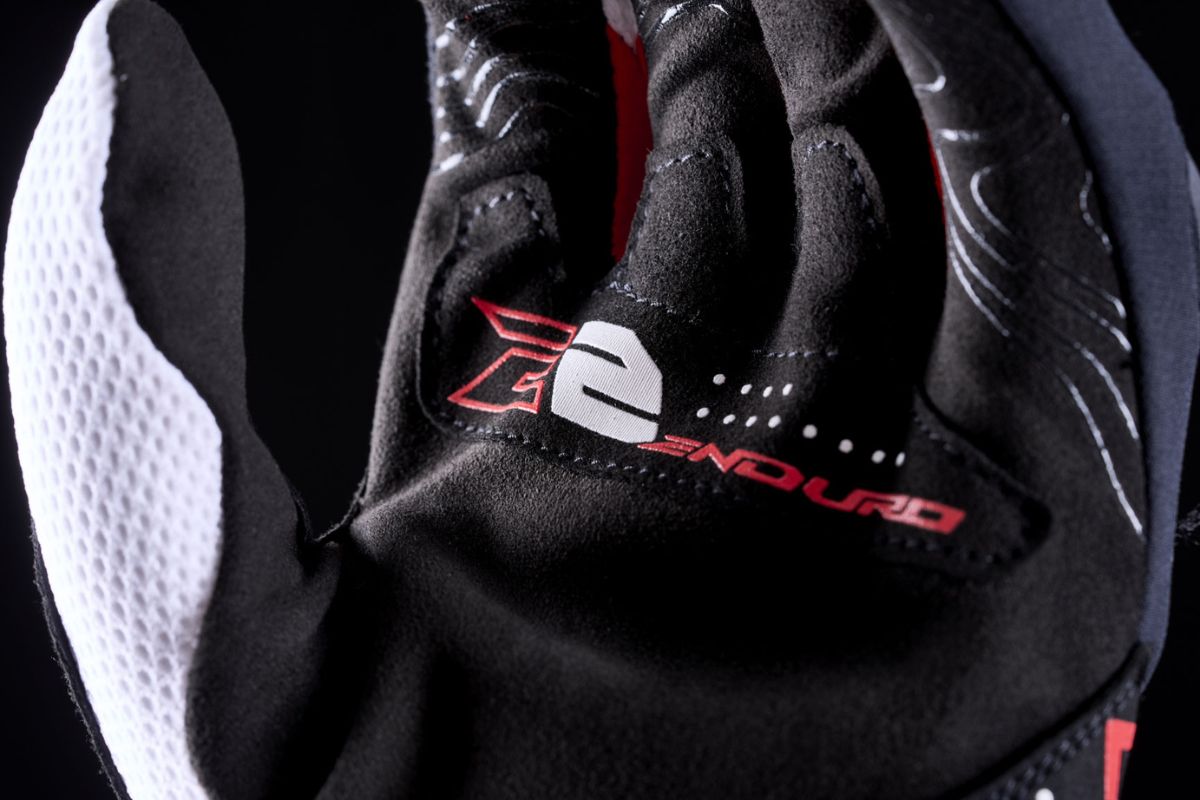
Protection for your palms.
What Motorcycle Gloves Are Made Of
Quality motorcycle gloves are designed to handle impact, abrasion and weather while still allowing you to control the bike properly.
The most common material is leather, especially cowhide, goatskin or kangaroo leather. Leather is tough, flexible and highly resistant to abrasion, which makes it ideal if your hands meet the tar during a slide.
Modern gloves also use textile materials like Cordura or other synthetic fabrics. These are lighter, often more breathable and commonly used in touring or adventure gloves. Many manufacturers combine leather and textile panels to balance protection with comfort.
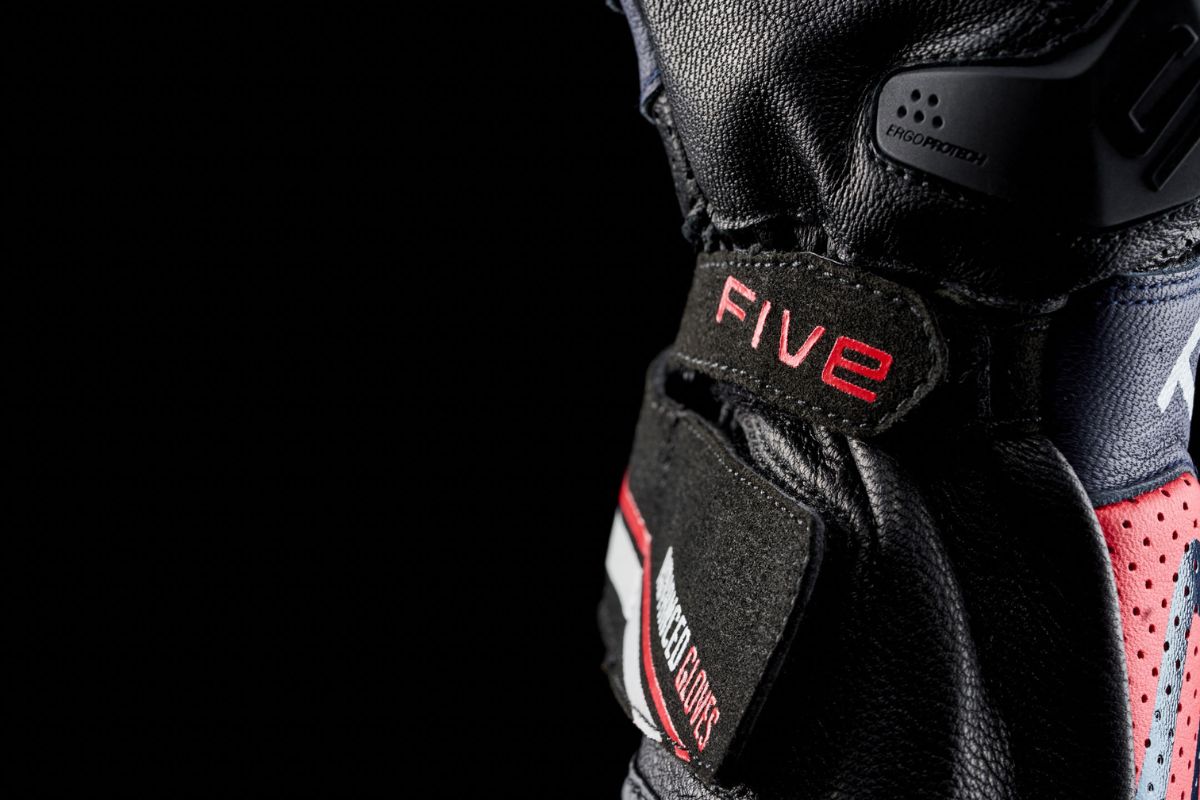
You’ll also find protective inserts made from carbon fibre, TPU plastic, or hardened polymer. These are usually placed over the knuckles, fingers and palm areas to absorb impact and prevent serious injury.
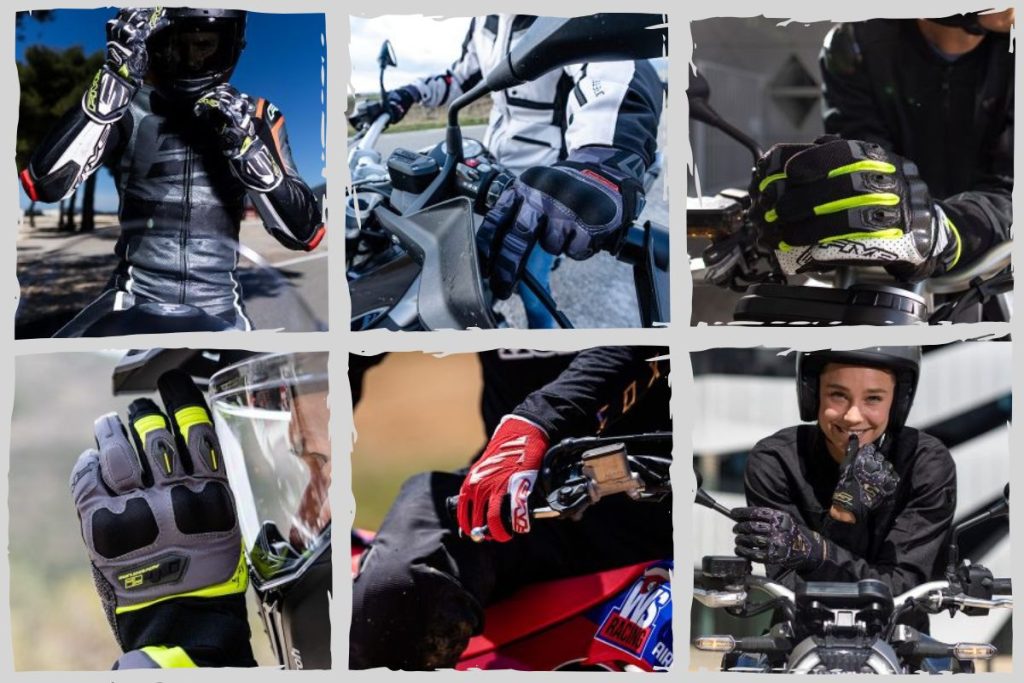
Different Types of Riding Gloves
Not all gloves are built for the same kind of riding. Choosing the correct glove for the job is pretty important. An MX glove will not be much help if you do happen to hit the tar, while road gloves will be horribly uncomfortable and sweaty on a dirtbike.
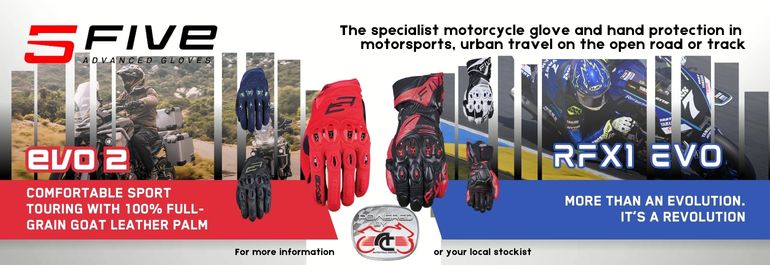
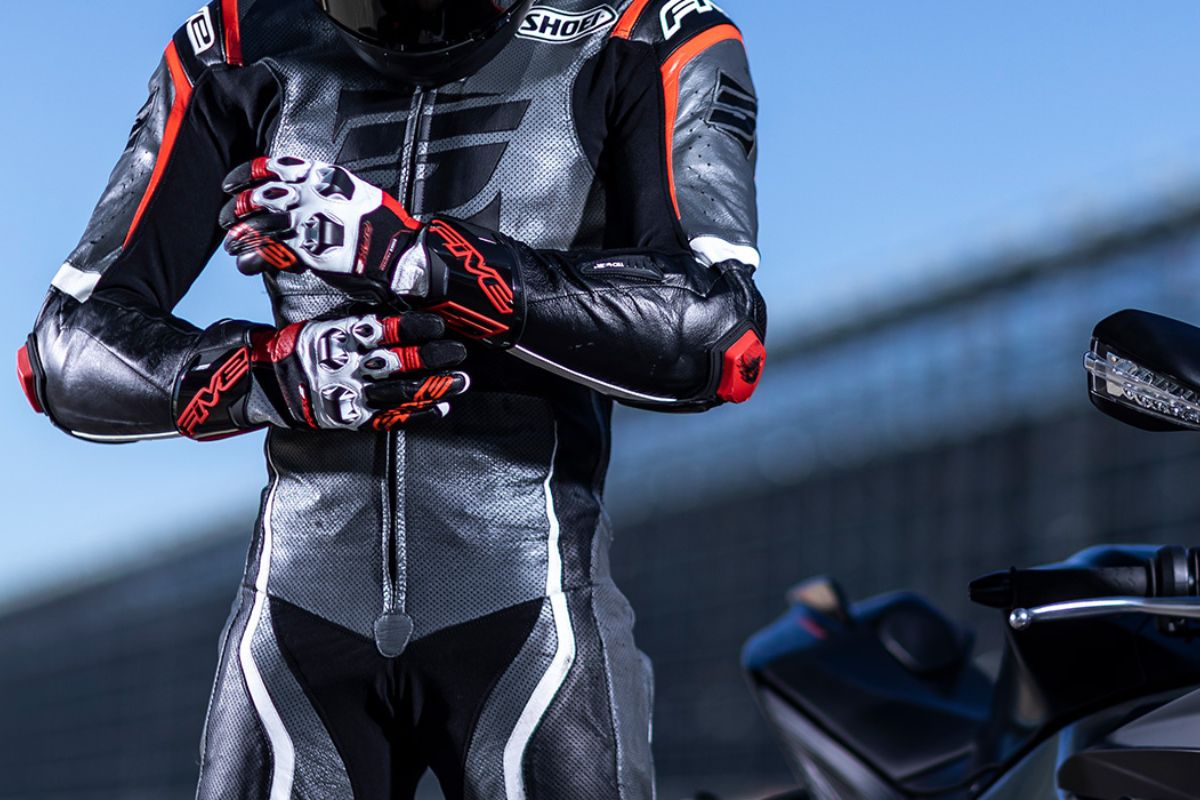
Sport gloves are the most protective. They usually have hard knuckle armour, reinforced palms and long cuffs that overlap the jacket sleeve for extra protection at higher speeds. A good example is the Five RFX Sport Evo, which combines a full-grain leather construction with carbon knuckle protection and reinforced palm sliders. Gloves like the Sport Evo are designed for aggressive road riding, offering strong abrasion resistance and impact protection while still maintaining the flexibility riders need for precise throttle and brake control.
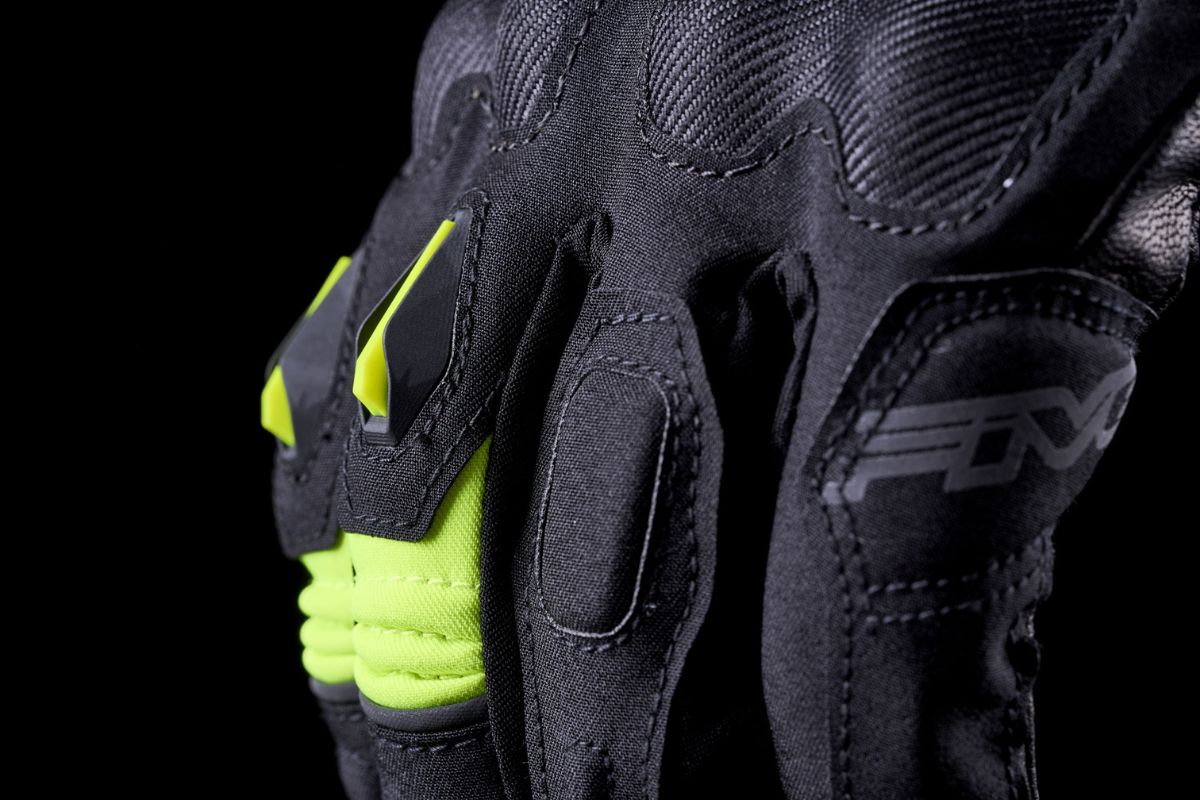
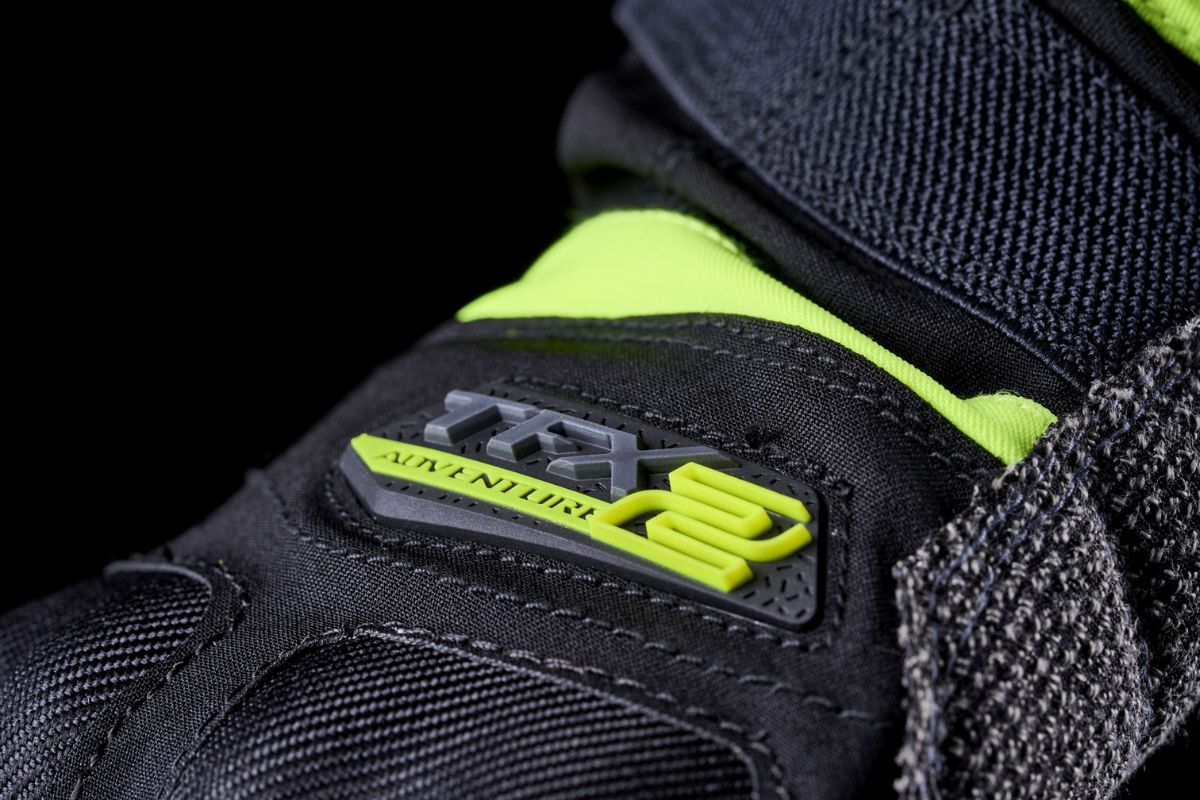
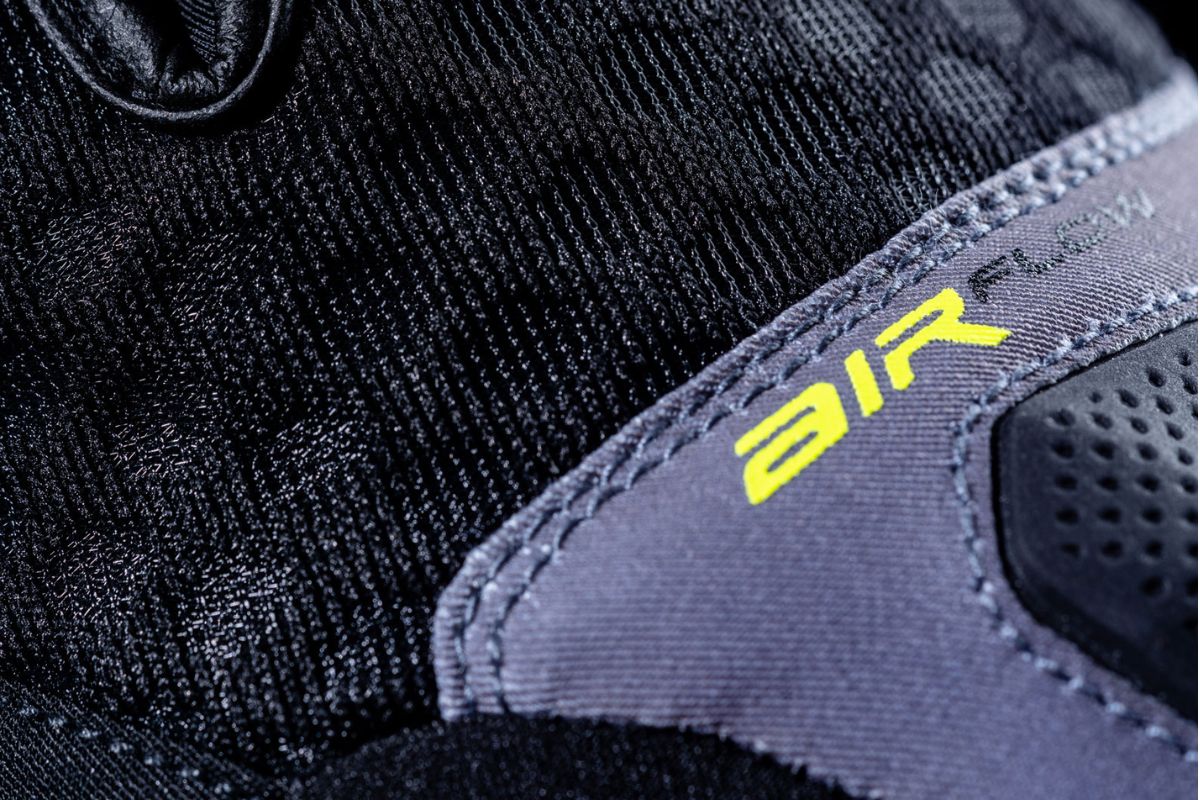
Adventure gloves blend durability with mobility. They are designed for riders who spend time on both tar and dirt, offering protection while still allowing the dexterity needed for off-road riding. Good examples are the Five TFX2 WP and the Five TFX3 Airflow. The TFX2 WP is built for tougher conditions, featuring waterproof protection, reinforced palms and solid knuckle armour for long-distance adventure riding in changing weather. The TFX3 Airflow, on the other hand, focuses on ventilation and comfort in hot climates, using breathable materials while still maintaining the protection and flexibility needed when the tar ends and the dirt starts.
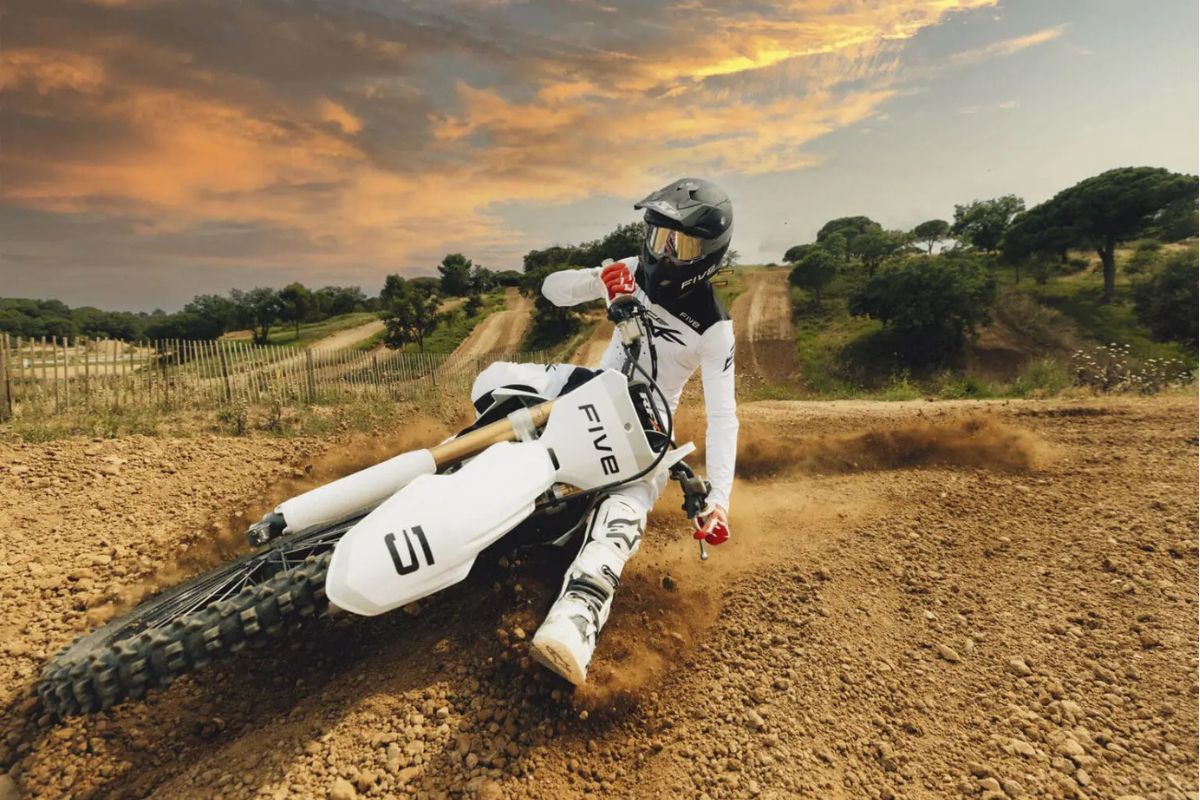
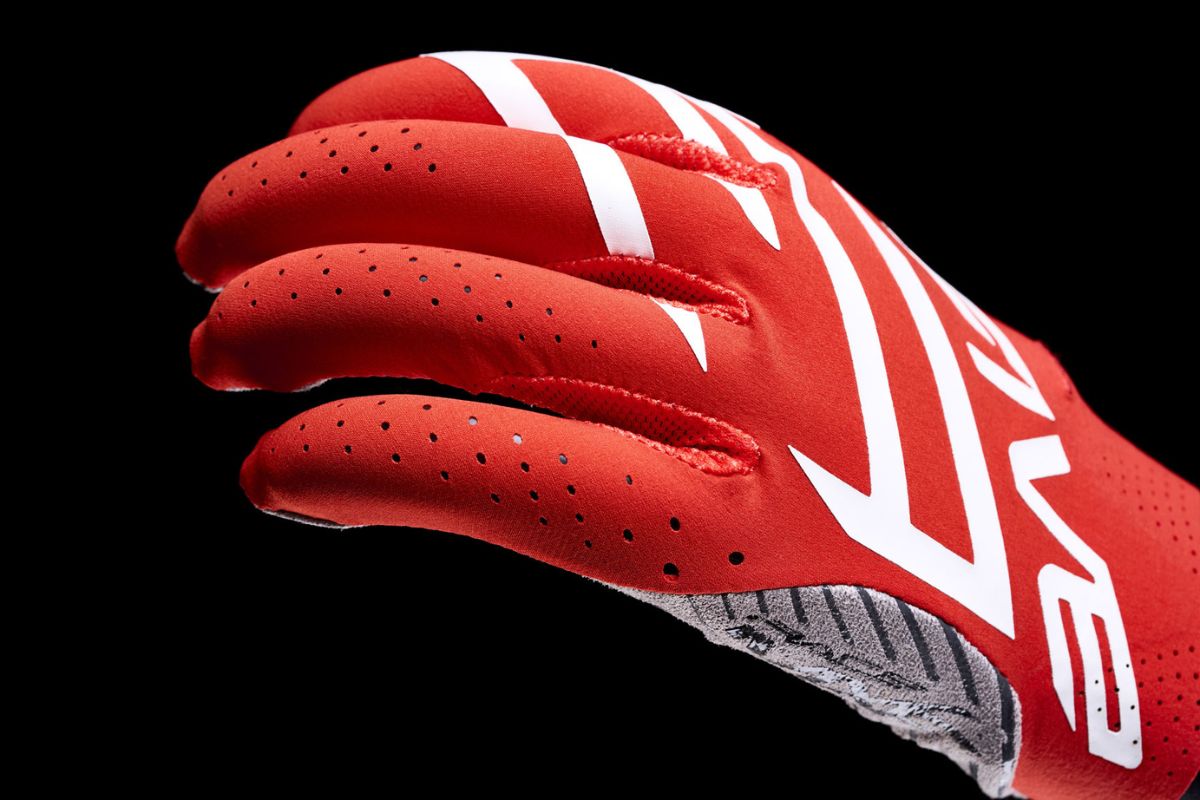
Off-roadgloves are lighter and built for maximum feel on the controls. Motocross and enduro riders rely on precise throttle and clutch control, so these gloves prioritise flexibility, grip and ventilation. While they don’t usually have the heavy armour of road gloves, many include reinforced palms and light knuckle protection to guard against branches, rocks and roost.
Good motocross examples include the Five MXF3 Evo and the Five MXF Race. Both are designed with lightweight construction and strong ventilation to keep riders comfortable during intense motos while still providing durability where it matters.
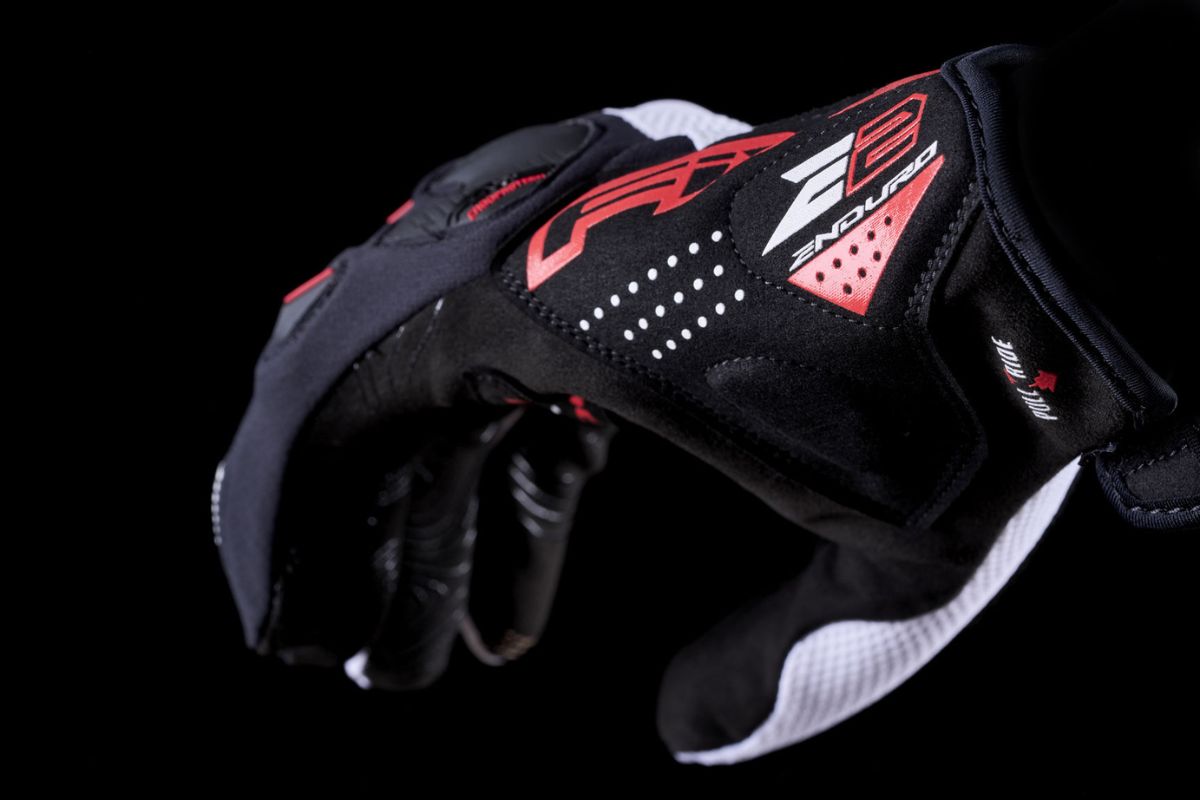
For enduro riders, the Five E2 offers a balance between protection and feel, with reinforced areas and flexible materials that allow riders to maintain precise control through technical terrain and long hours on the bike.
Why You Should Always Wear Gloves
Protection is the obvious reason. Skin, tar and rocks do not mix, and even a slow-speed fall can cause serious damage to unprotected hands. Gloves help prevent deep abrasions, broken knuckles and severe hand injuries.
But gloves also improve control. They provide better grip on the throttle and levers, especially in rain or heat when sweaty hands can slip. Many gloves also reduce vibration and fatigue during longer rides.
Then there’s weather protection. Wind, cold air, rain and even small stones kicked up by traffic can make riding uncomfortable or dangerous without proper gloves. And then theres the one thing that everyone seems to forget about.
Sunburn. It’s no joke!
A few tips to keep your hands happy:
Check sizing: Too tight and your hands start to tingle as the bloodflow is restricted. Tight gloves also cause cramping.
Feel: Are your hands comfortable and do you have good feel of you controls. Bulky winter gloves are seriously padded and can hamper your ride.
Safety Features: Look for hardened knuckle protection and reinforced palm sliders, which are crucial for impact protection in a crash.
Length Options:
Gauntlet (Long): Extend over the jacket sleeve for maximum protection and weather sealing.
Short Cuff: Offer better ventilation and are often more comfortable for casual or hot weather riding.
Material Choice: Leather is durable and offers high abrasion resistance. Textiles or synthetic materials often provide better breathability and waterproof options.
Weather Suitability:
Summer: Look for perforated leather or mesh for maximum airflow.
Winter: Choose waterproof, insulated, and windproof options.
Features: Consider touchscreen-compatible fingertips for navigation.
Comfort: Ensure no extra material bunches in the palm, which can cause discomfort and poor control.