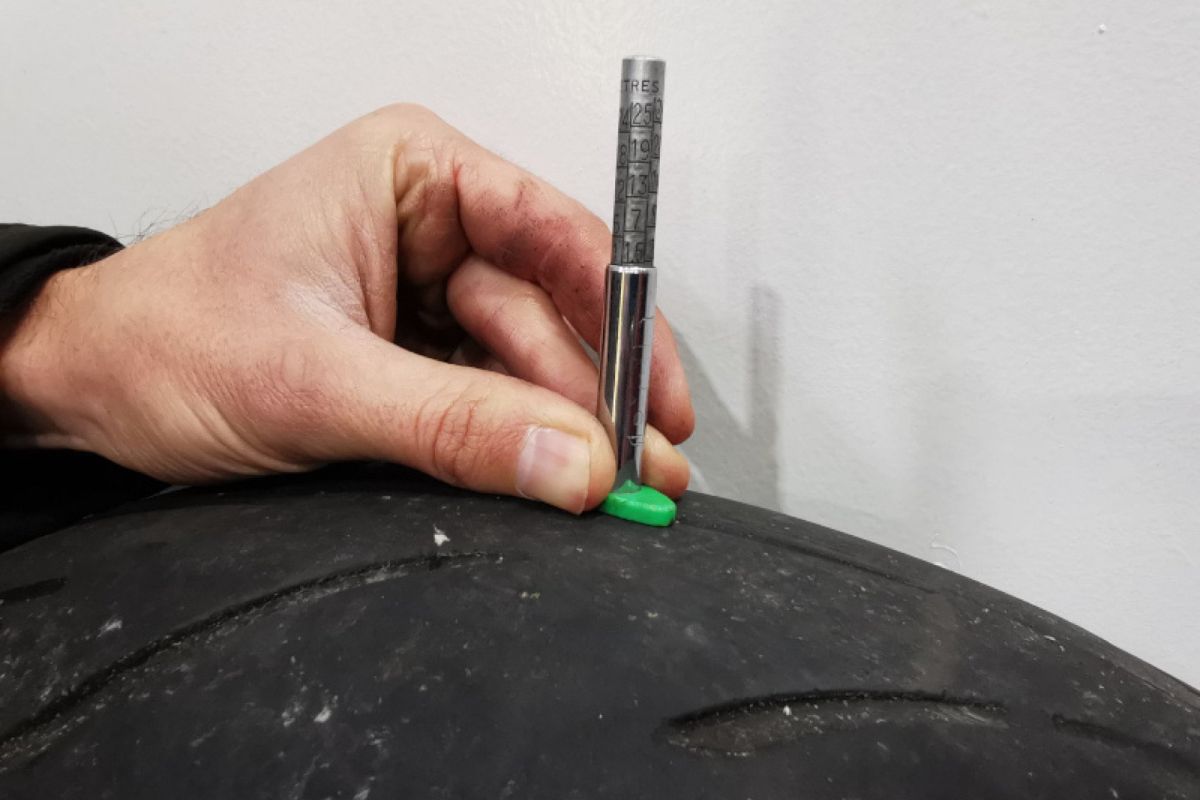
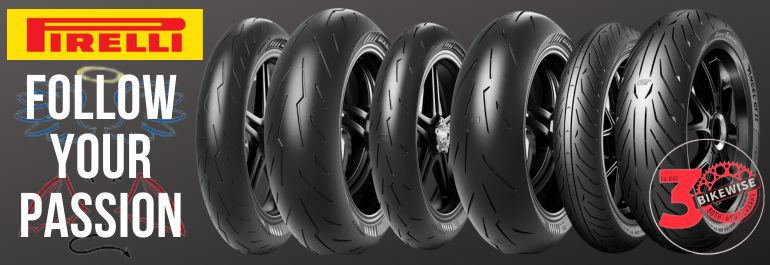
Safety & Condition Check tips: Tread Depth & Wear Indicators: Check that the tread depth has not reached the Tread Wear Indicator (TWI) limit, which is often around 0.8mm to 1mm, though many safety experts recommend replacing them earlier, between 2.0mm and 2.5mm.
Age (DOT Code): Check the 4-digit code on the sidewall (e.g., “1024” means 10th week of 2024). Tyres over 5 years old should be inspected regularly by a professional, and those over 10 years old should likely be replaced, regardless of remaining tread.
Cracking and Dry Rot (Weather Checking): Inspect for cracks in the rubber, often found on the sidewalls or between tread blocks, caused by UV exposure or age.
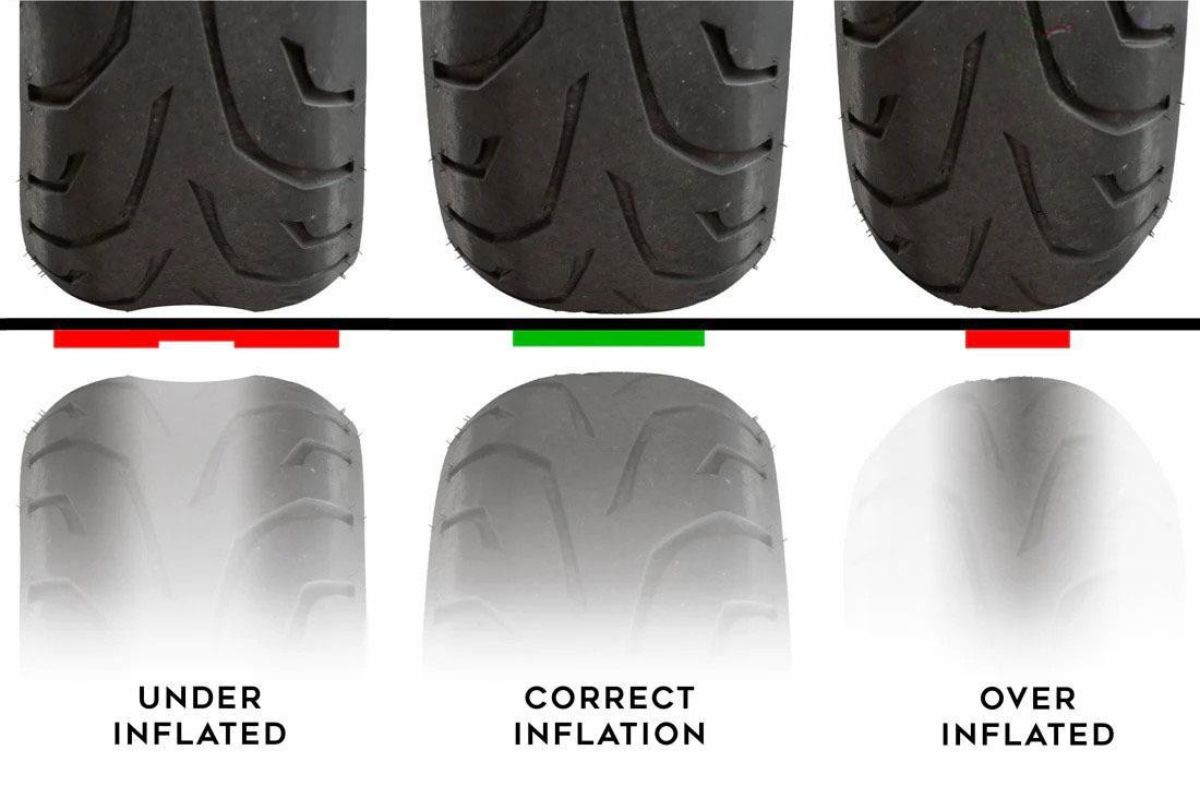
Unusual Wear Patterns: Look for “cupping” (uneven, scalloped wear) or flat spots in the center, which can indicate improper inflation, poor suspension settings, or excessive highway riding.
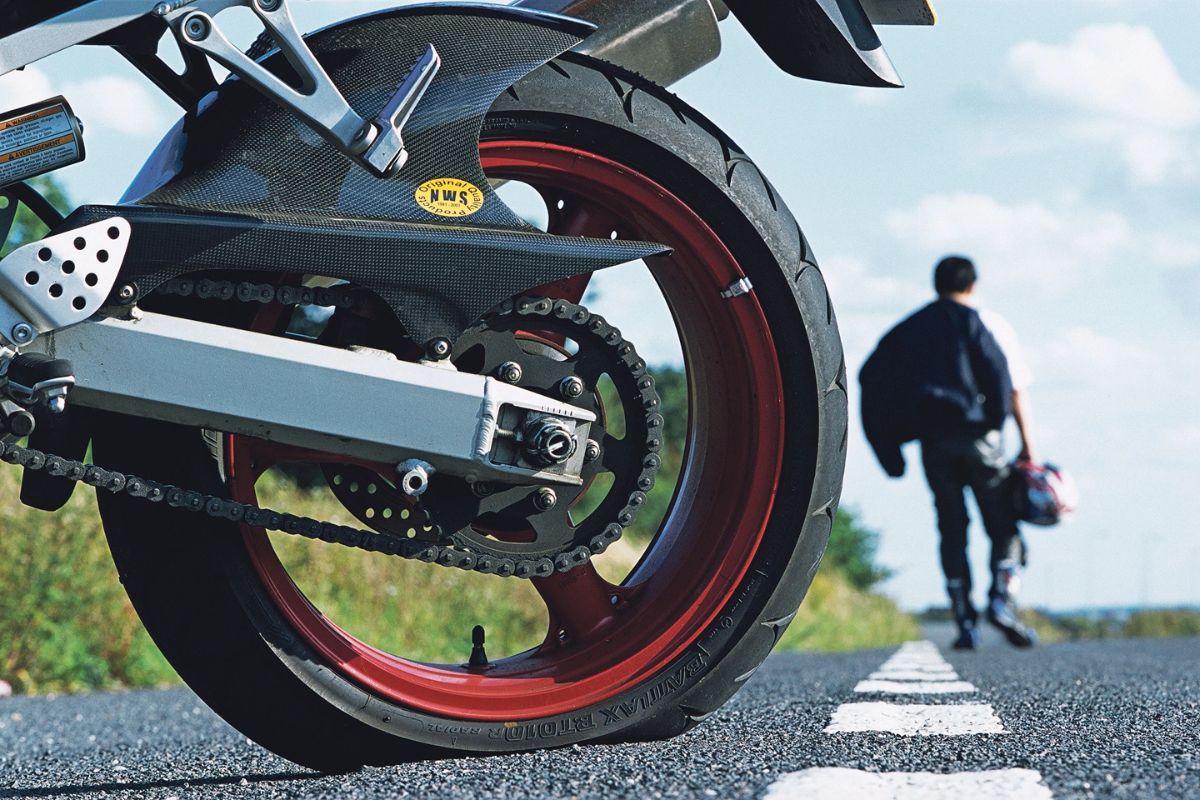
Damage/Punctures: Inspect for embedded objects like nails, as well as sidewall bubbles or deformations.
Technical Specifications & Markings
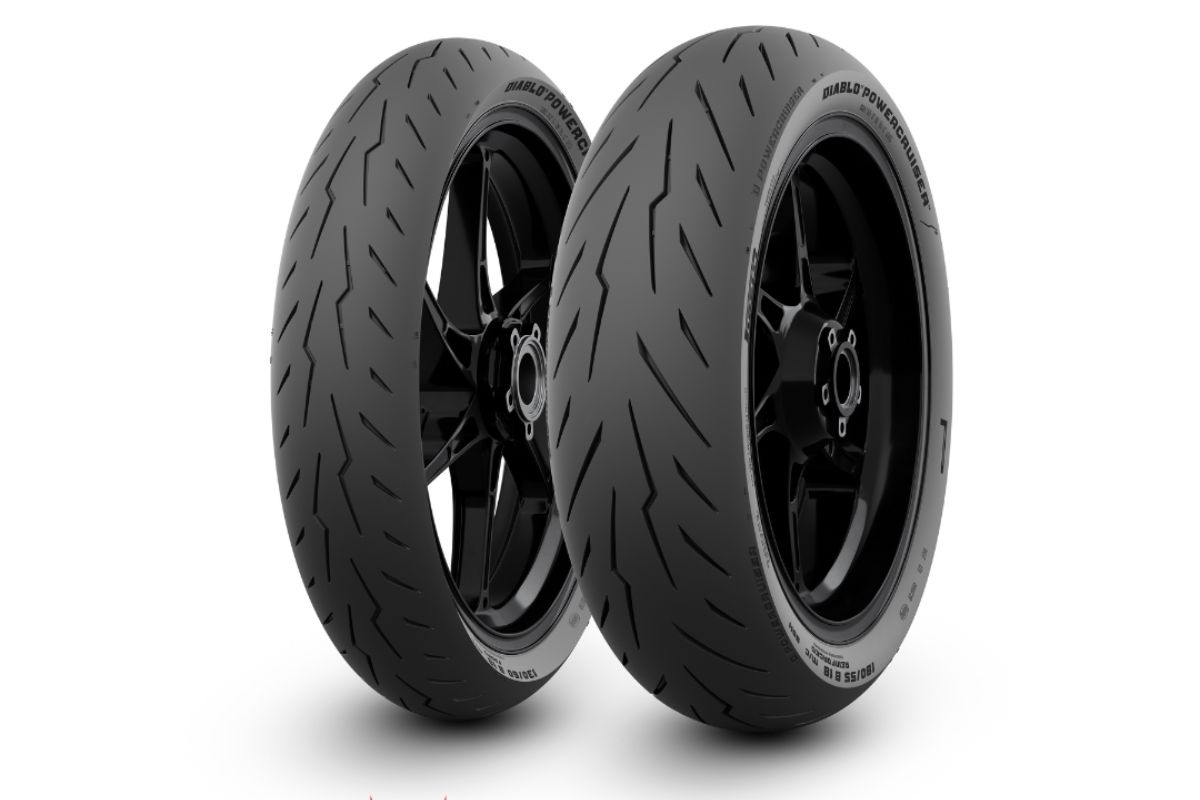
Correct Size (Dimensions): Always match the width, aspect ratio, and rim diameter (e.g., 180/55 ZR17) recommended by the manufacturer.
Load Index and Speed Rating: Ensure the tyre can handle the weight of the bike, rider, passenger, and luggage. The speed rating (e.g., W or Z) indicates the maximum speed the tire can safely handle.
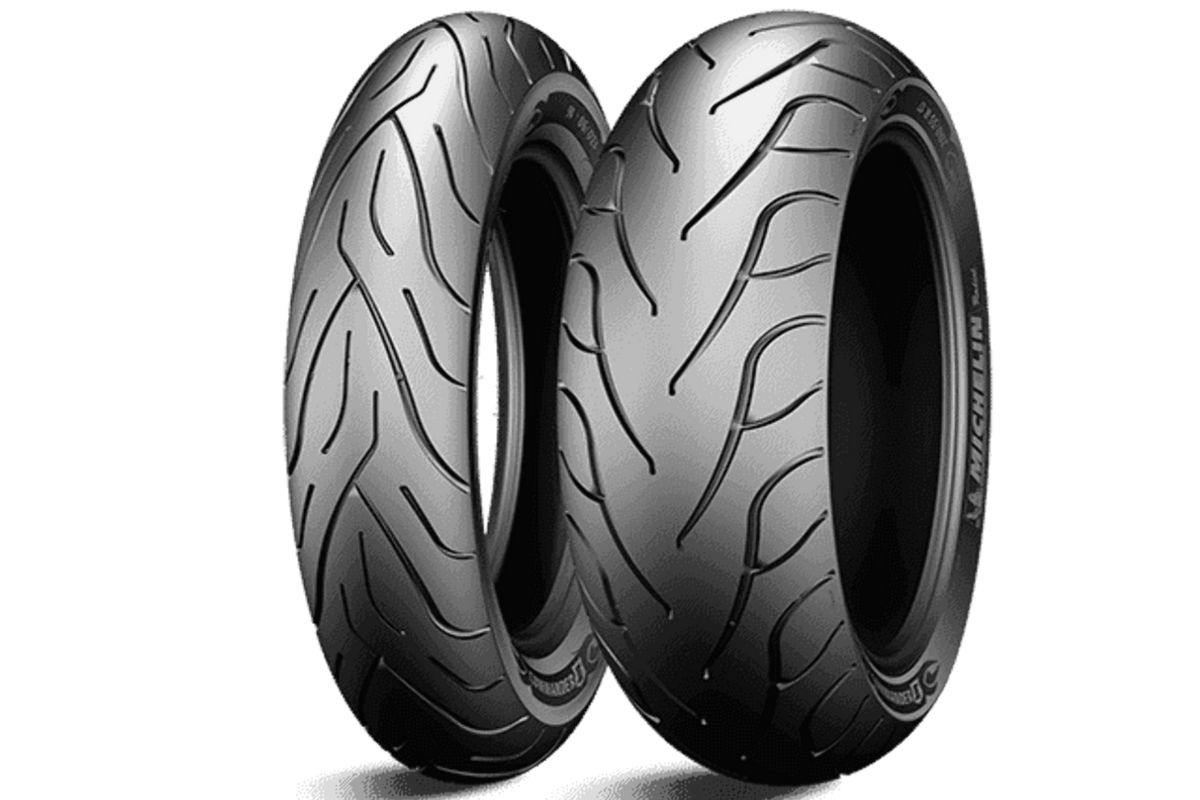
Radial vs. Bias-Ply: Ensure you are using the correct construction type. Radial tyres (often marked with an ‘R’) are standard on most modern street bikes, while Bias-ply (or bias-belted ‘B’) are often used on heavier cruisers for their stability.
Direction of Rotation: Most tyres have an arrow on the sidewall indicating the correct fitting direction.
Tube Type (TT) vs. Tubeless (TL): Ensure you use the correct type for your wheel type.
- Usage & Performance.
Application-Specific Design:
Street/Sport: Minimal tread for maximum dry grip, or higher silica for wet weather.
Touring: Harder compound for longevity, deeper grooves for water evacuation.
Adventure/Dual-Sport: A balance of on-road, off-road (50/50, 70/30, etc.).
Compound (Single vs. Dual): Many modern tyres feature a dual-compound, meaning they are harder in the center for straight-line longevity and softer on the sides for cornering grip.
Warm-up Time & Grip: Consider how quickly the tyre reaches operating temperature, especially for street riding in cooler weather.
- Maintenance & Installation
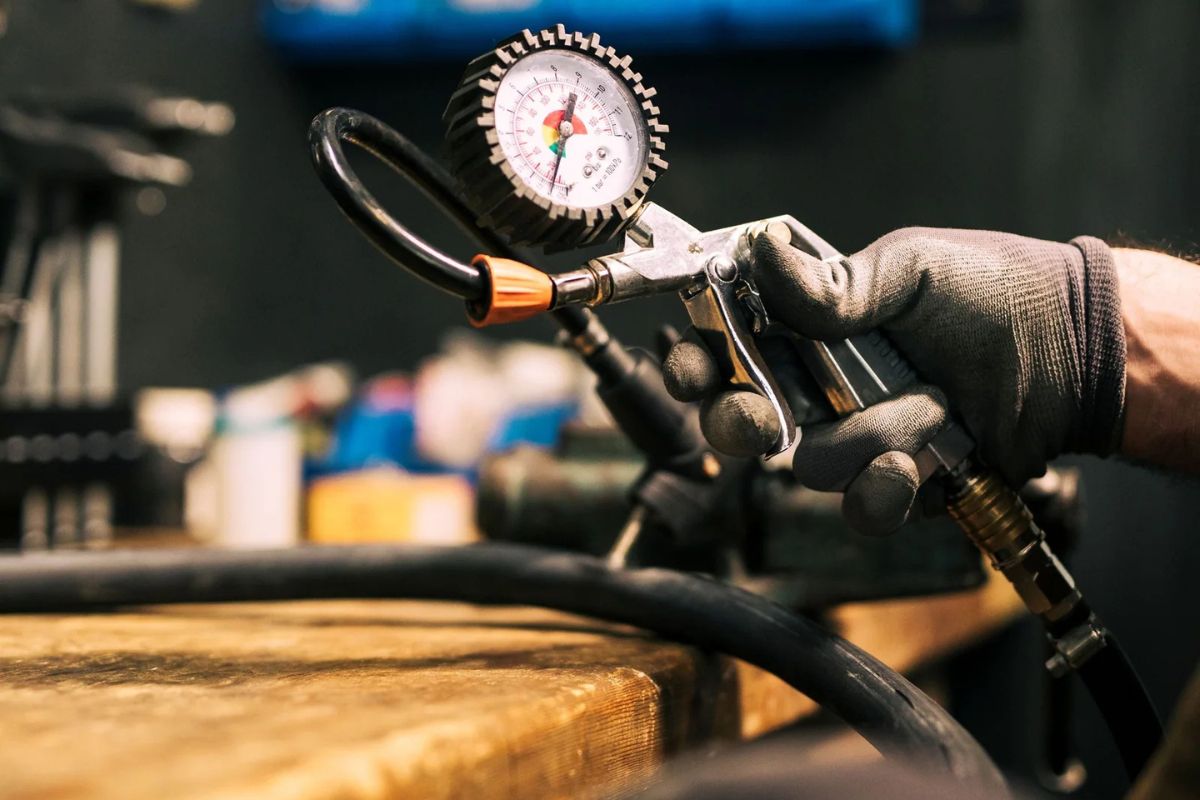
Proper Pressure: Maintain manufacturer-recommended pressure to prevent overheating (under-inflation) or poor handling/premature wear (over-inflation).
Valve Stem Condition: Check for leaks by checking for bubbles with soap, as a faulty valve can cause pressure loss.
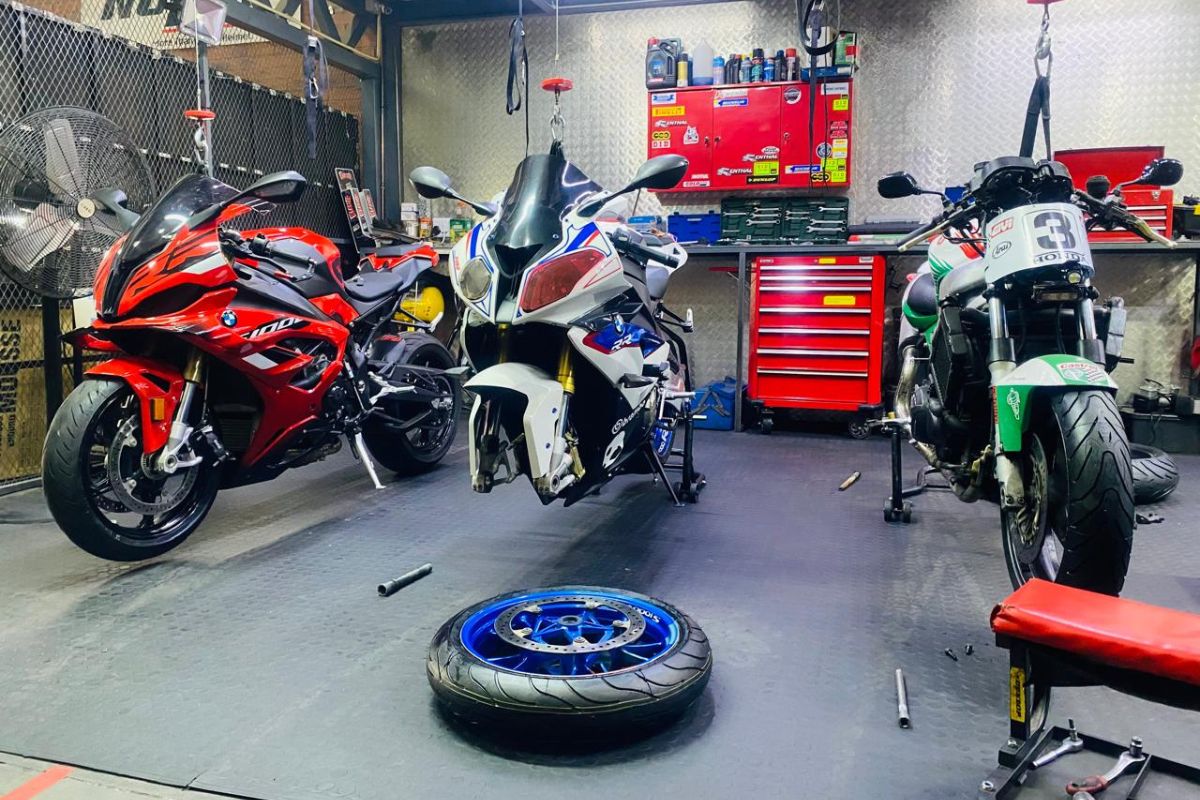
Balancing: Ensure wheels are balanced after new tyre installation to avoid vibrations.
By focusing on these areas, you ensure your motorcycle remains safe, handles correctly, and performs as intended.