Carburetted or EFI? That’s the question here. Why has TVS built, what is essentially the same bike with two different fueling options. Which one of the two do we prefer? Which one is more economical? We sent the lads out to hopefully answer all of these questions…
Story by PeterP
There’s something refreshing about a motorcycle that knows exactly what it’s built to do.
The TVS Apache RTR 200 4V isn’t trying to be a supersport or an adventure bike.
Instead, it focuses on delivering an affordable, practical and fun ride for commuters, new riders and anyone that is looking for economical two-wheeled transport with a bit of personality.
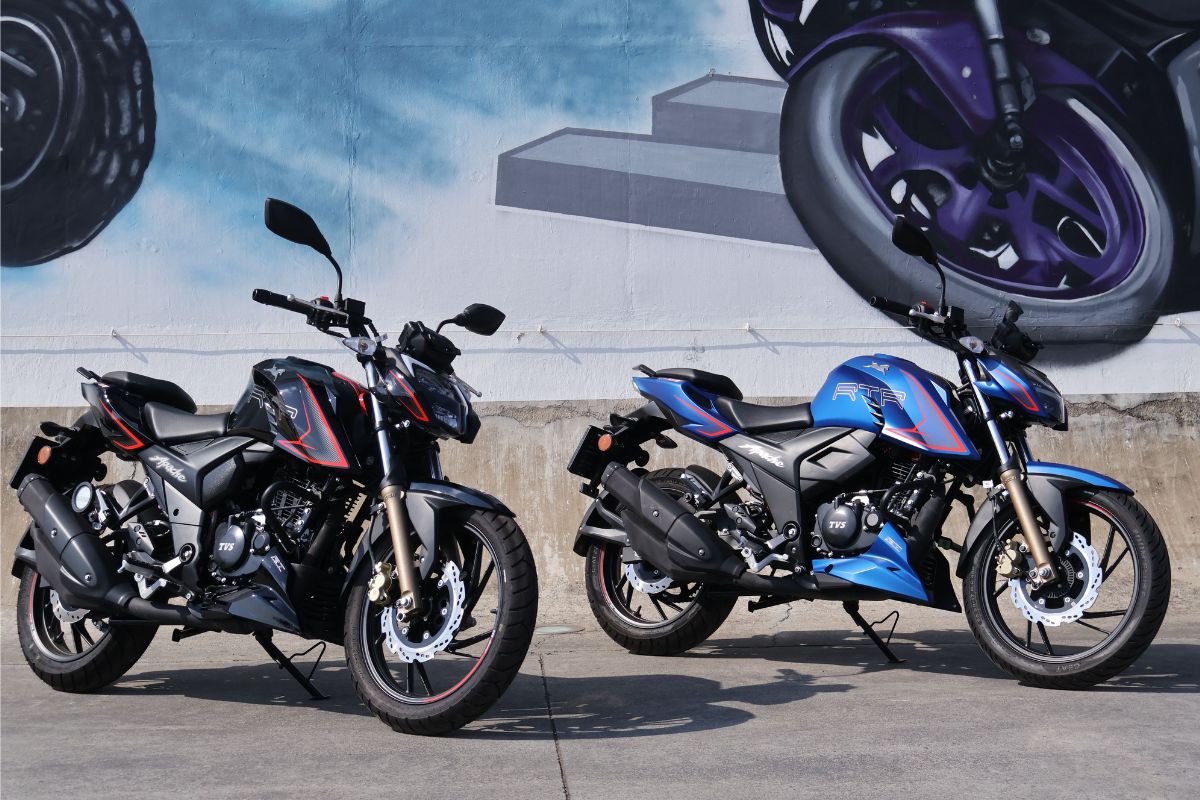
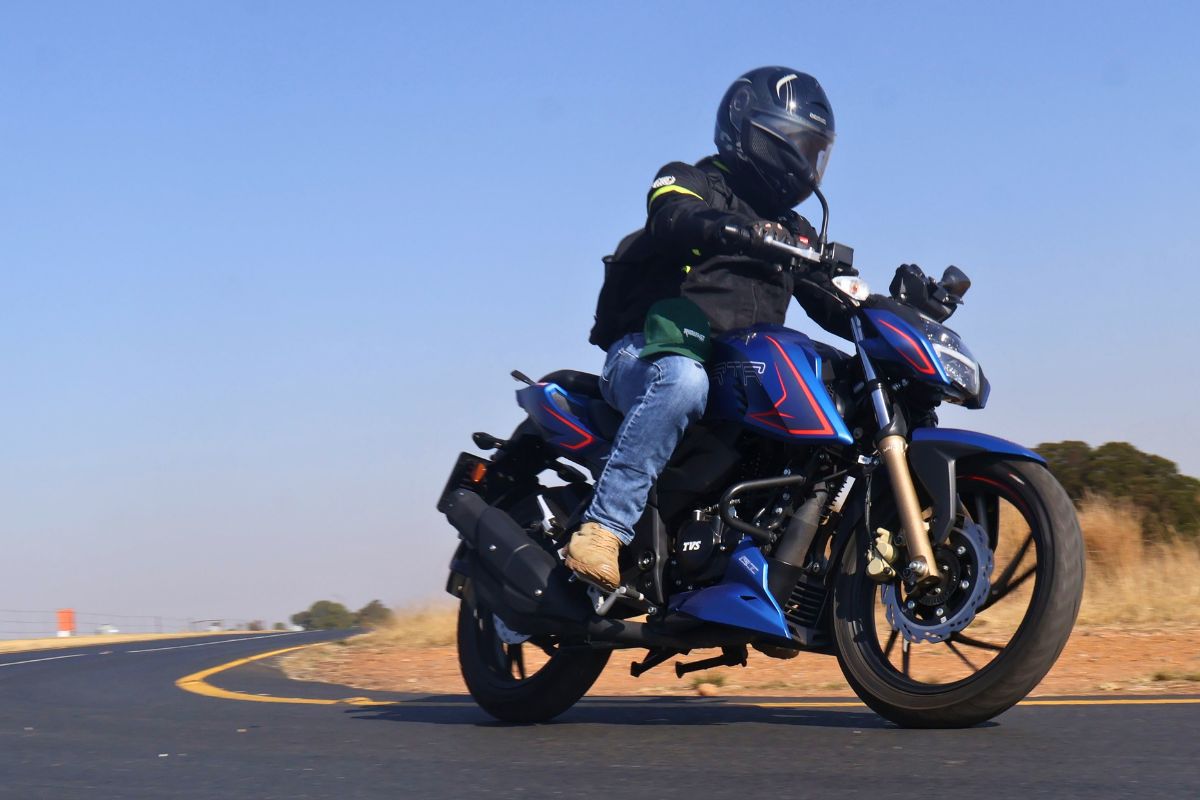
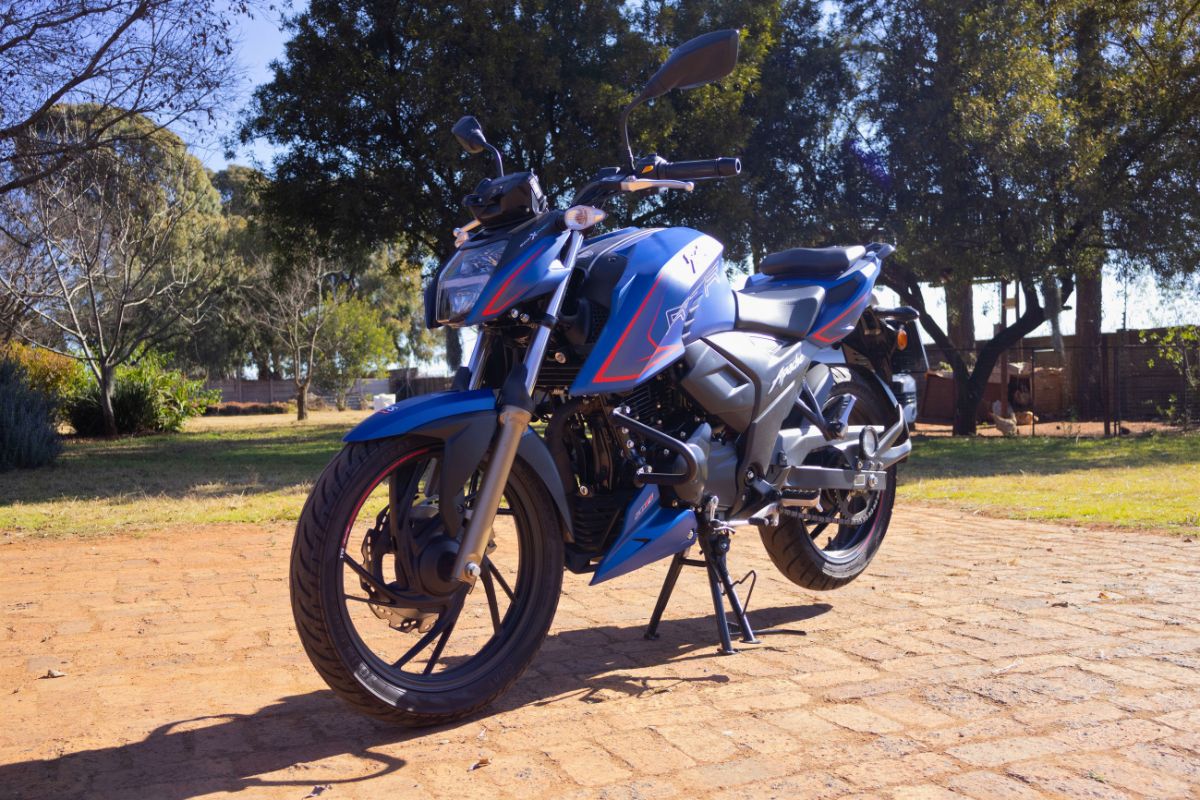
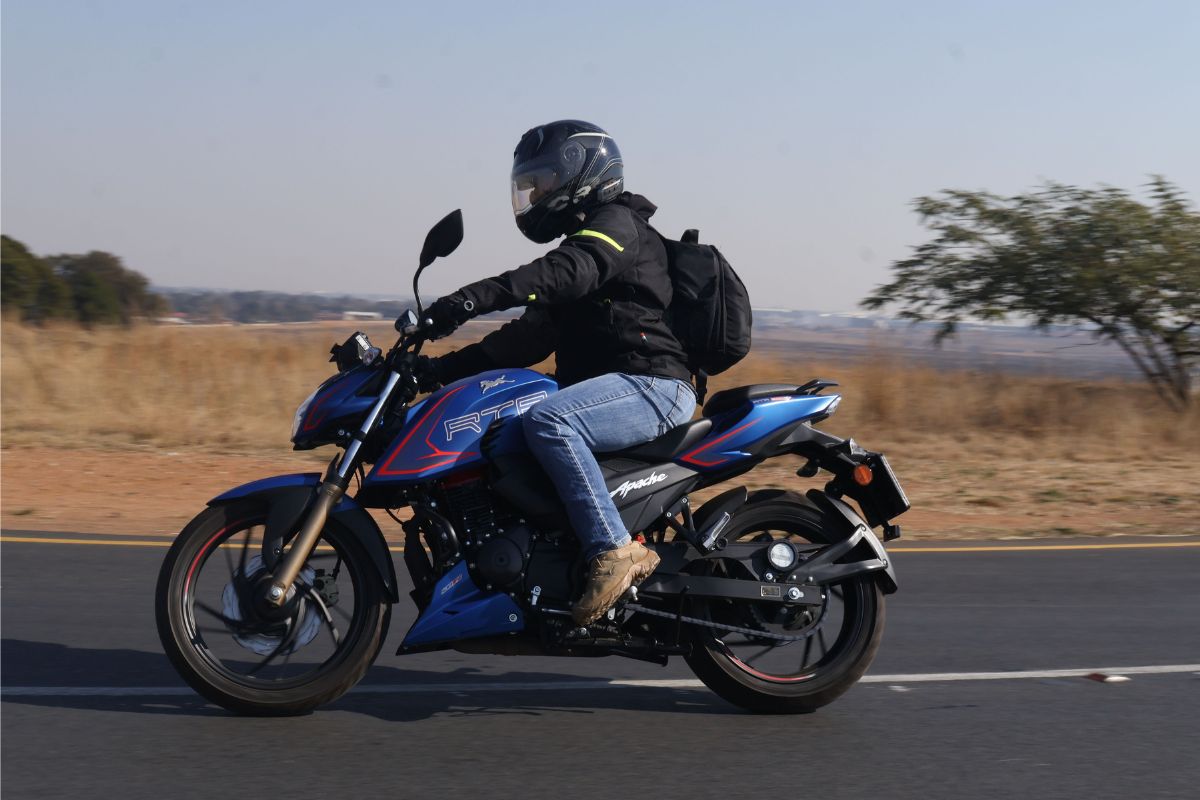
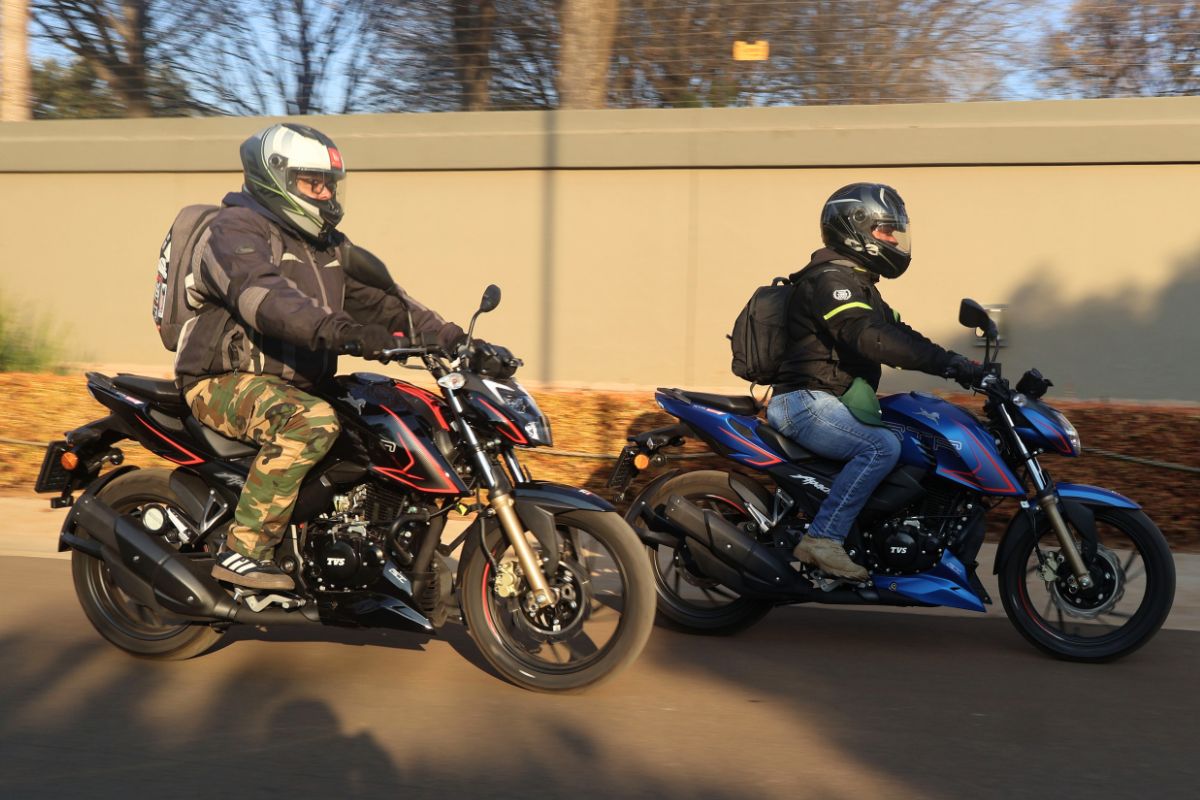
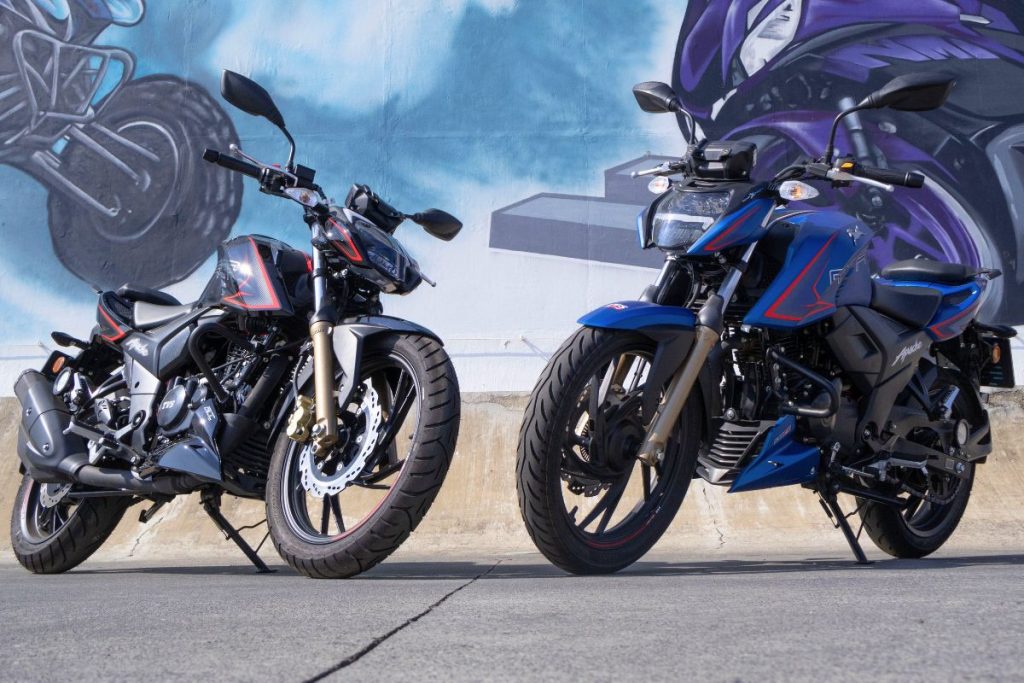
Fuel injection model
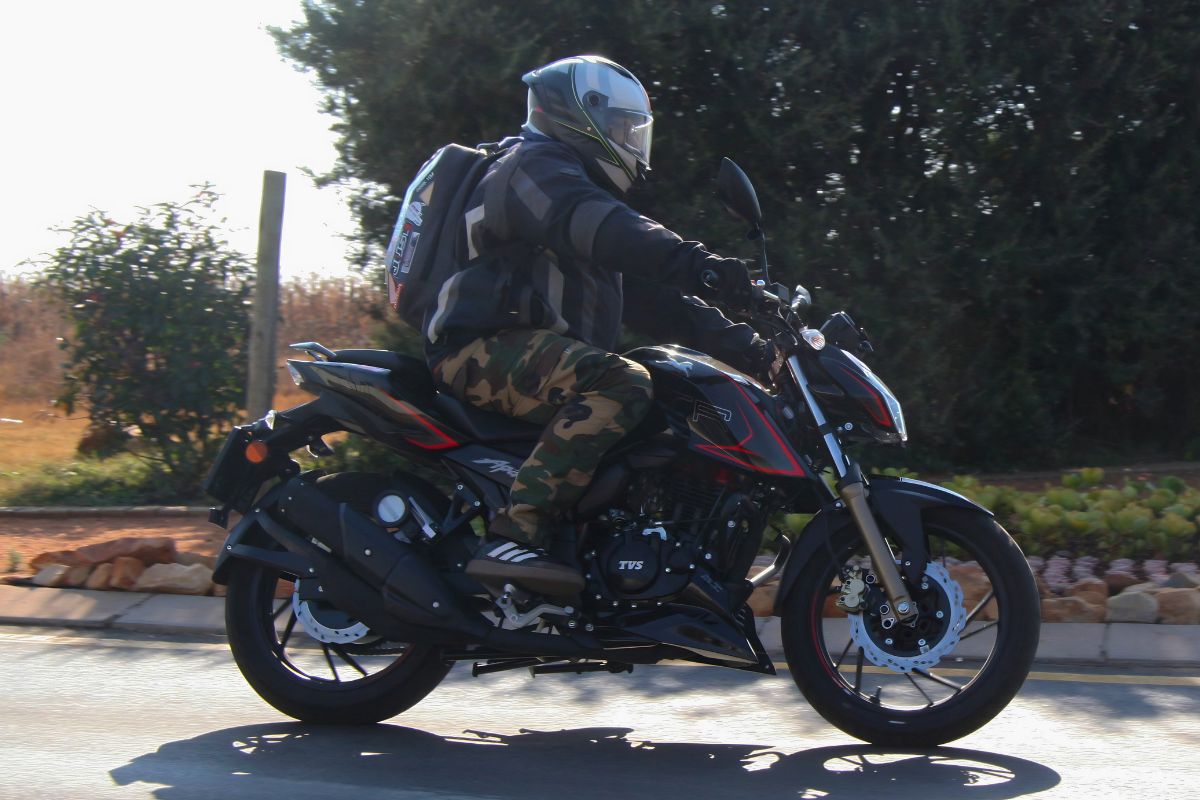
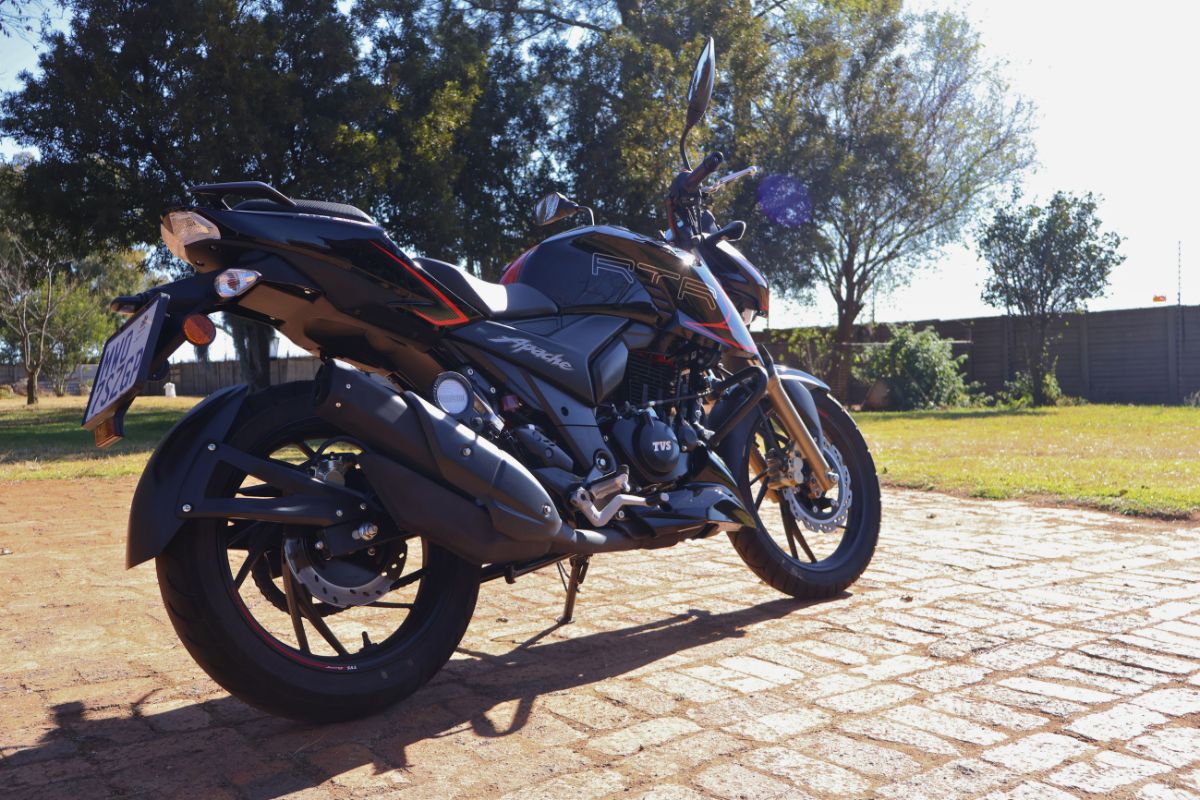
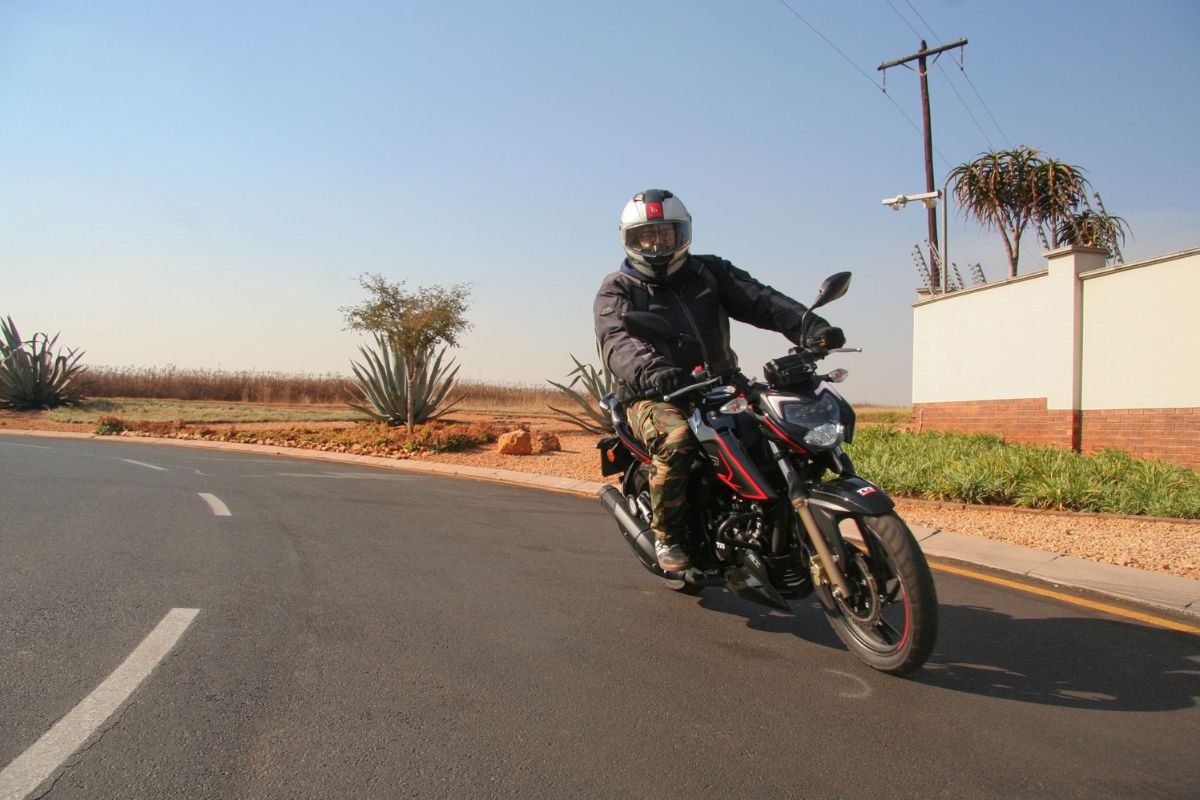
Carburettor model
To see how the two versions compare, we collected both the Fuel Injection (FI) and Carburettor
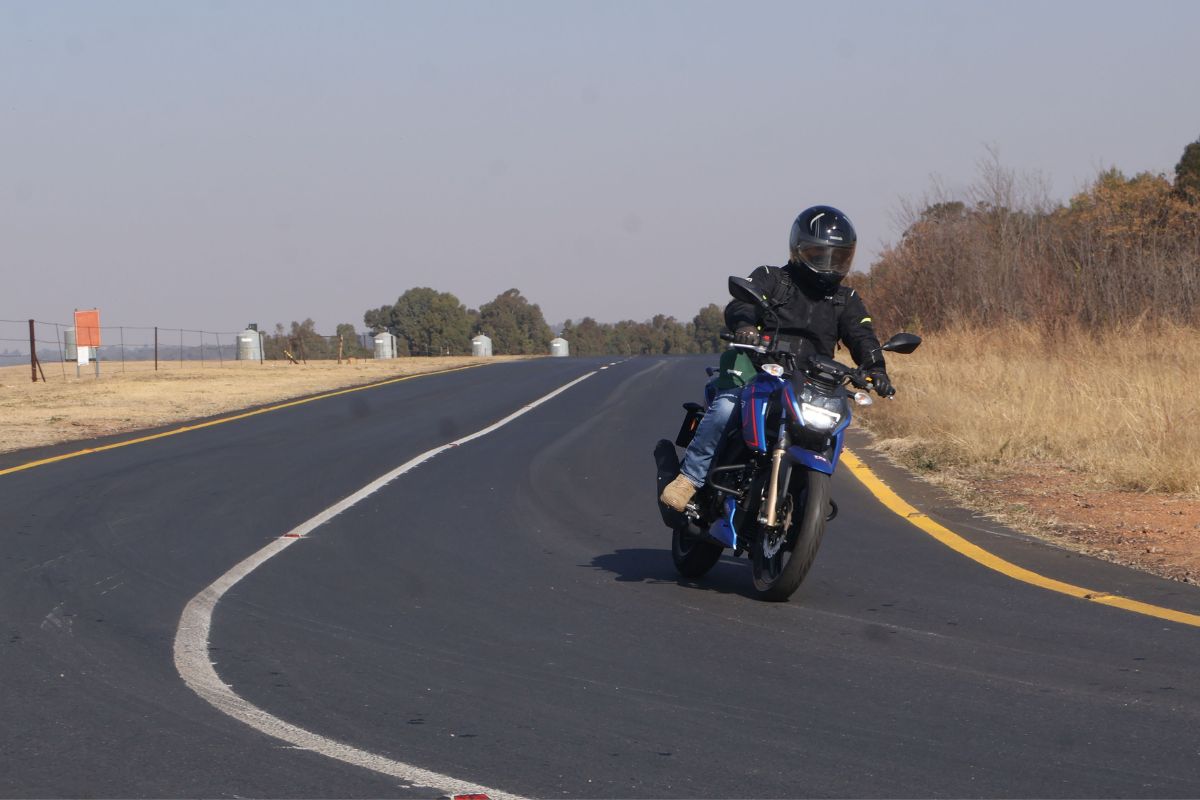
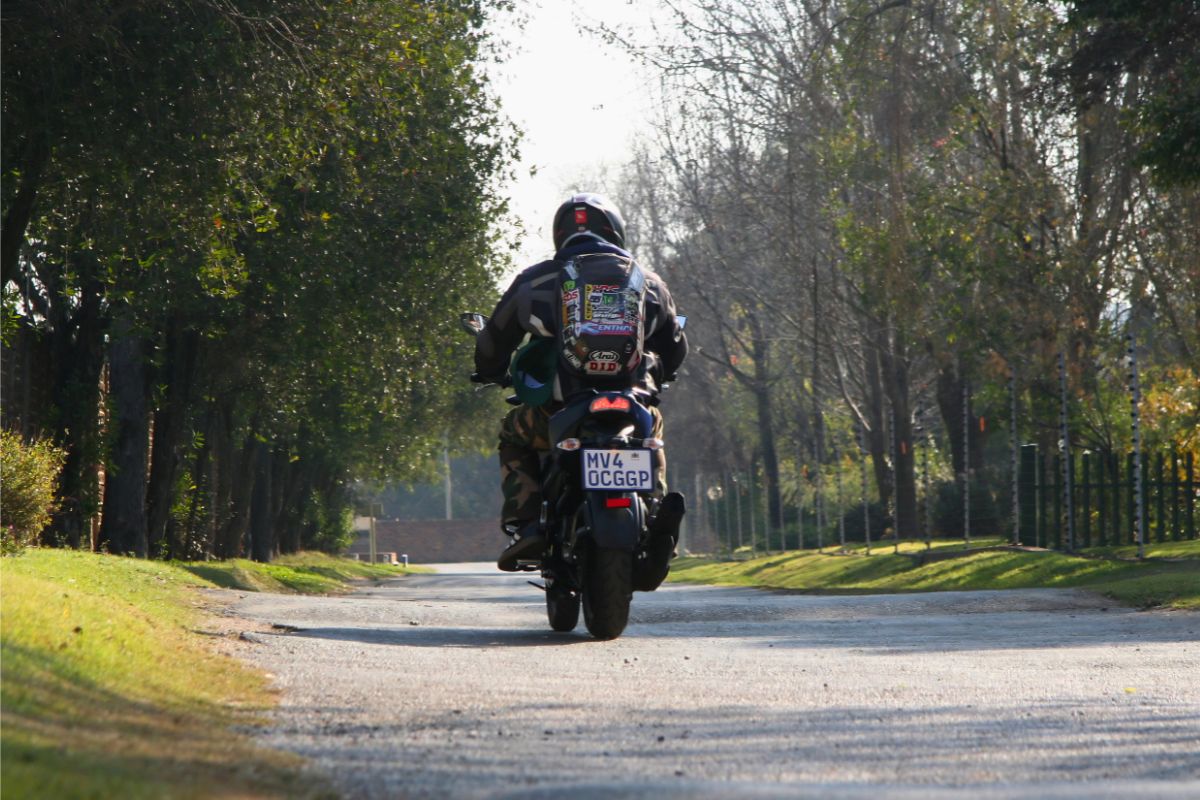
models from TVS South Africa at Linex Yamaha Sandton and headed out on a 120km round trip that covers everything from urban traffic to open freeway riding.
We filled both bikes to the brim, did the mileage and then filled them again to see exactly who was the king of fuel efficiency.
First Impressions:
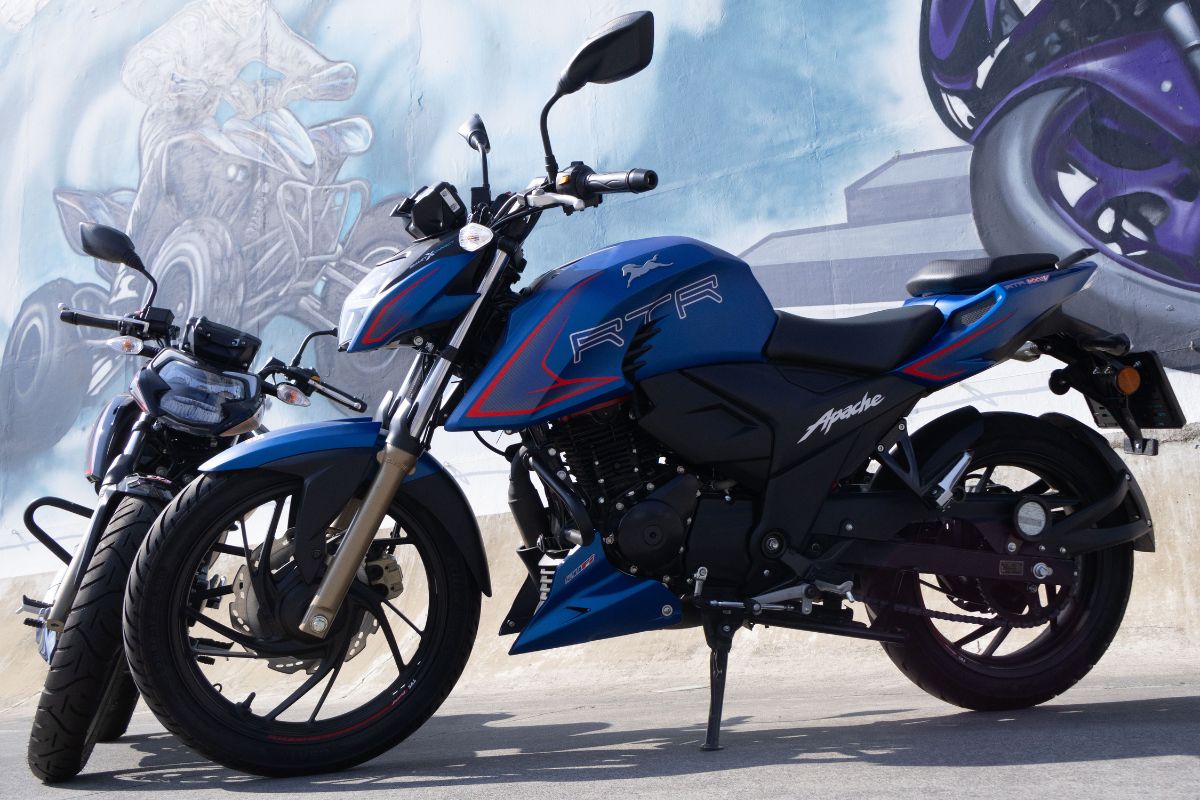
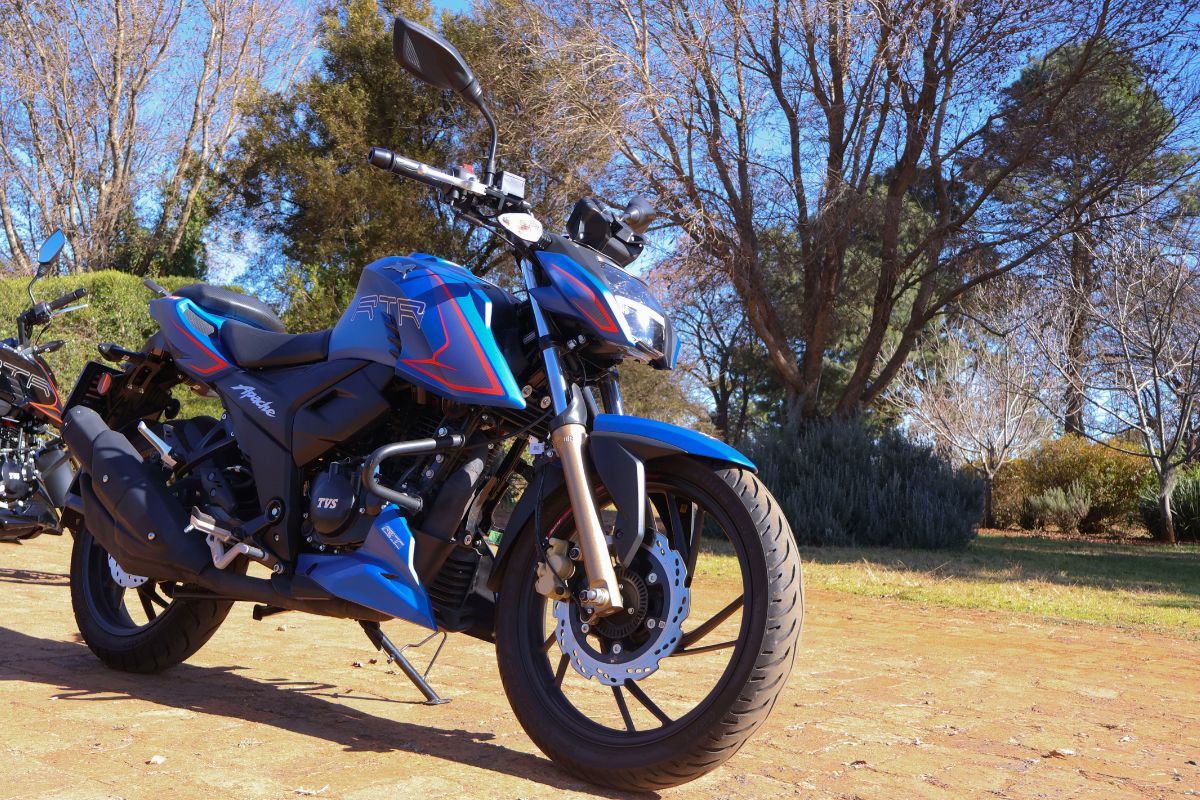
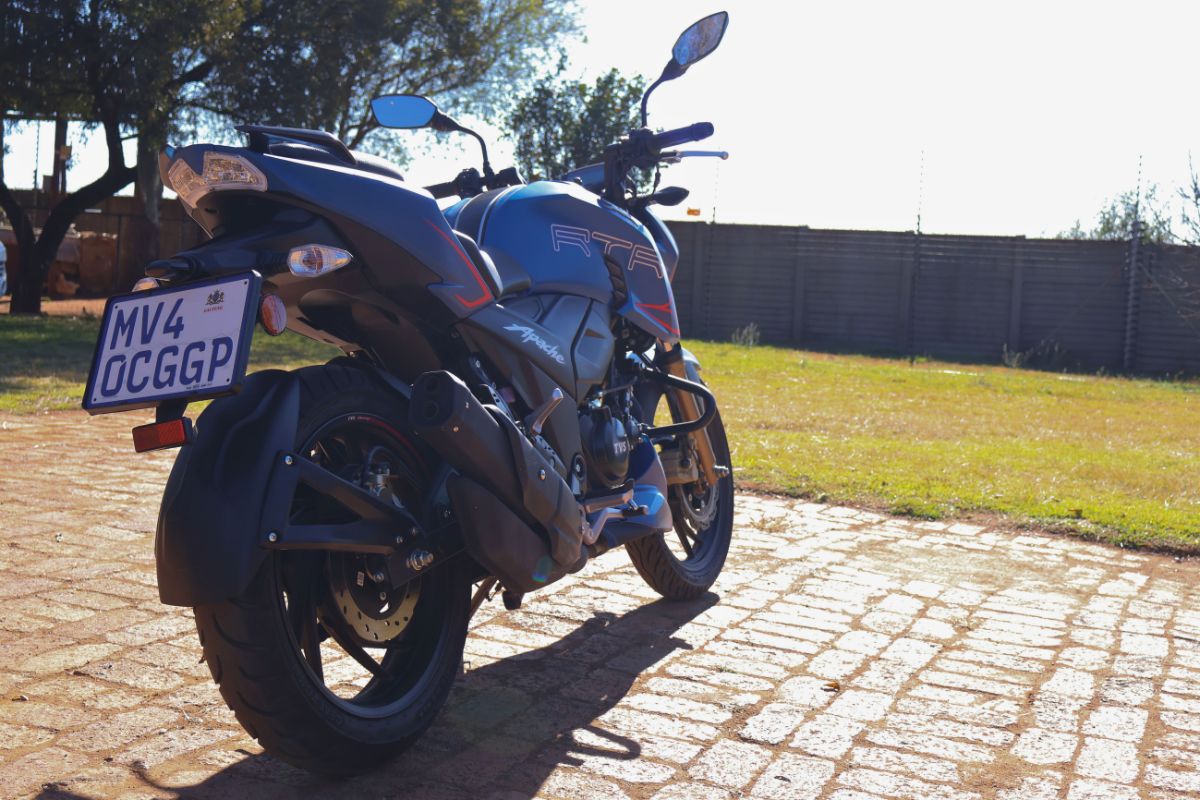
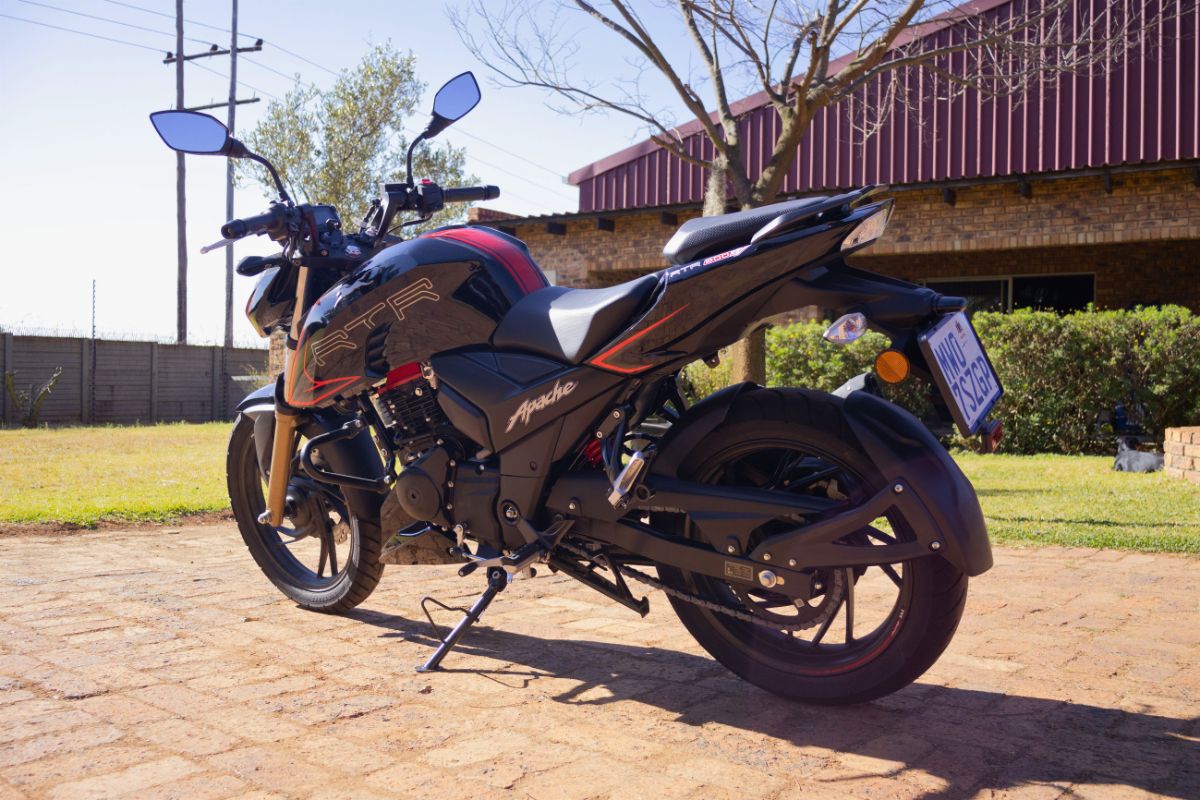
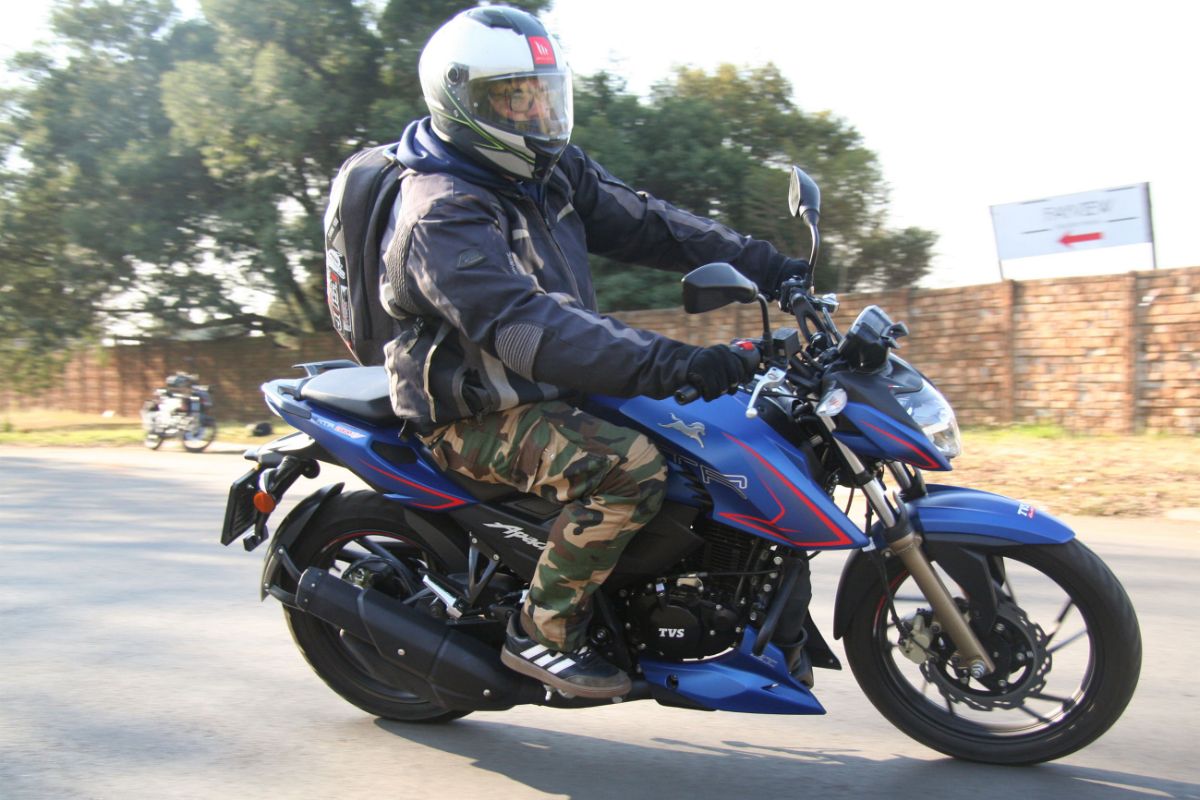
The first thing that stands out is the styling. Both bikes have a modern, aggressive look with sharp bodywork and a compact stance. These are modern, good looking little machines for sure!
Although mechanically similar, each model has its own personality. The FI version offers a few
more modern features, while the carburettor model keeps things simple and traditional.
Throw a leg over either bike and you immediately notice the low seat height. For shorter riders,
newer riders and many female riders, this makes the Apache feel approachable and
confidence-inspiring from the moment you climb aboard. And that’s cool!
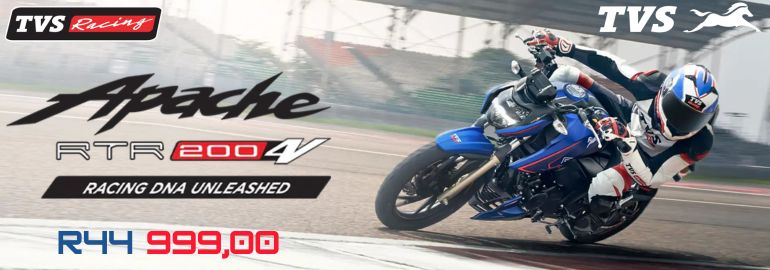
The Fuel Injected (R44999.00) model includes:
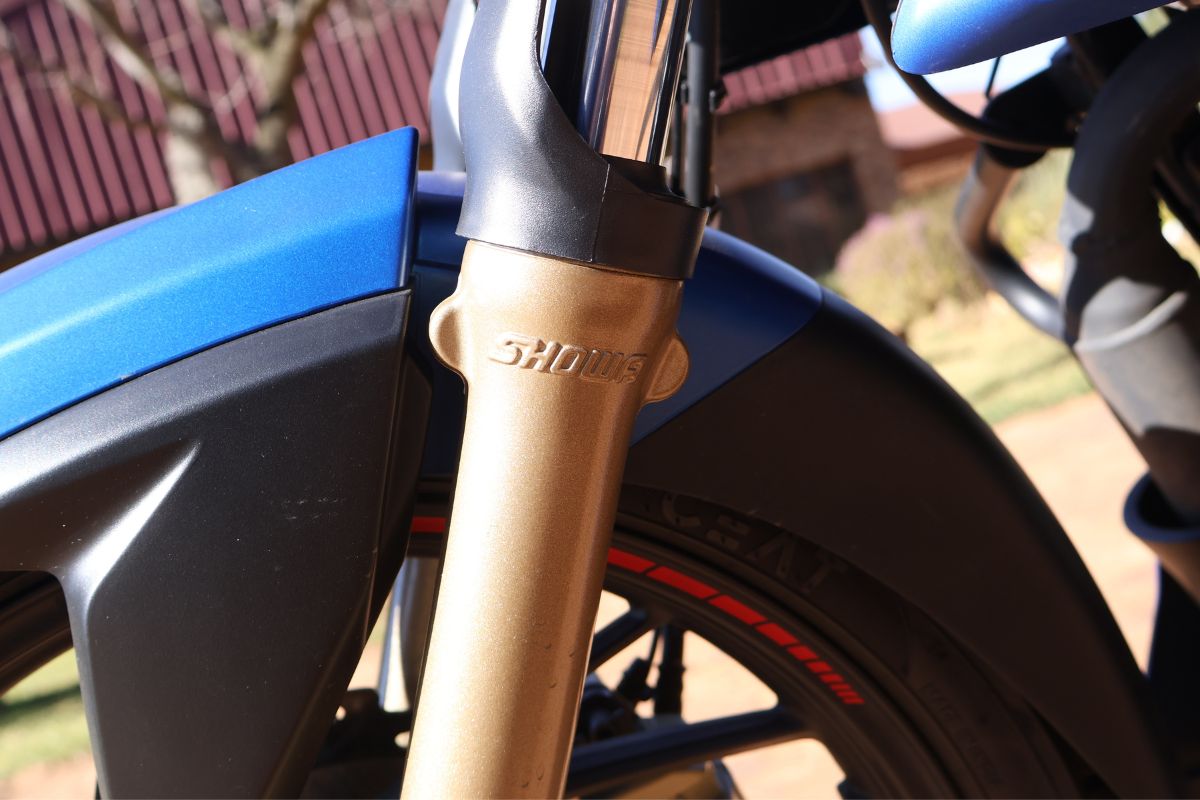
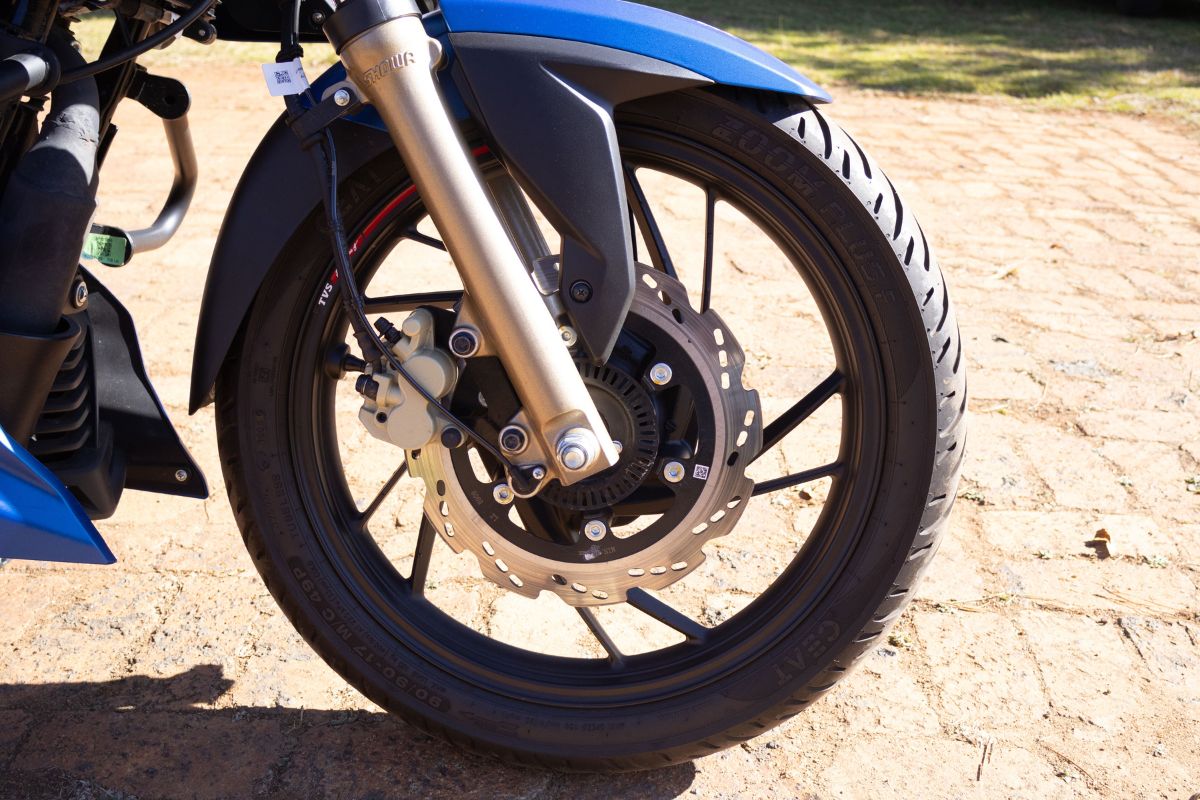
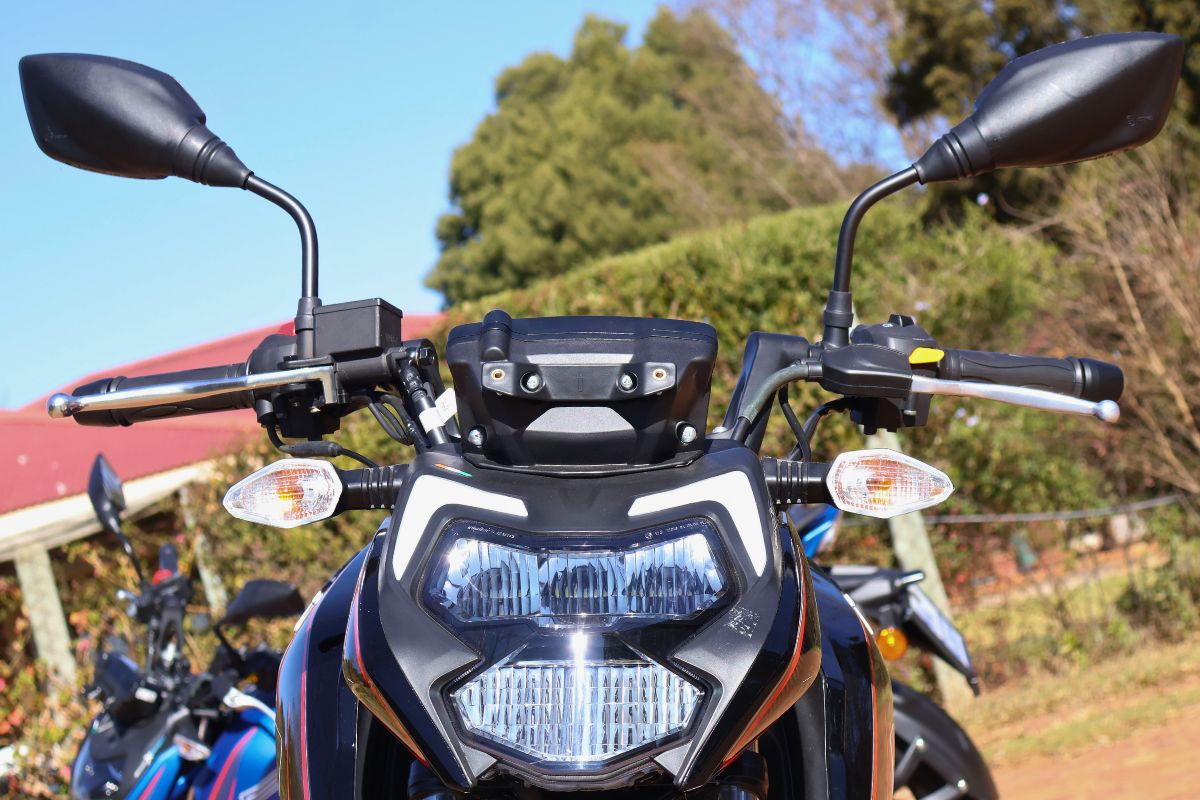
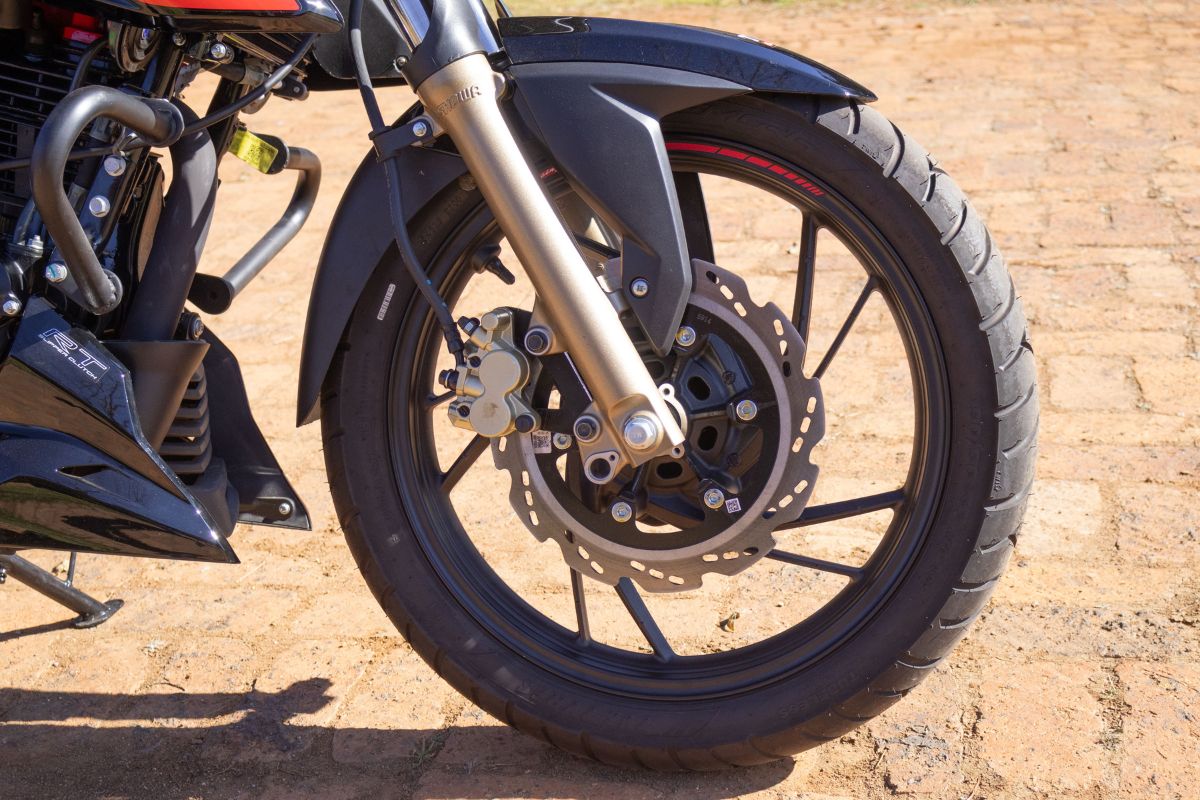
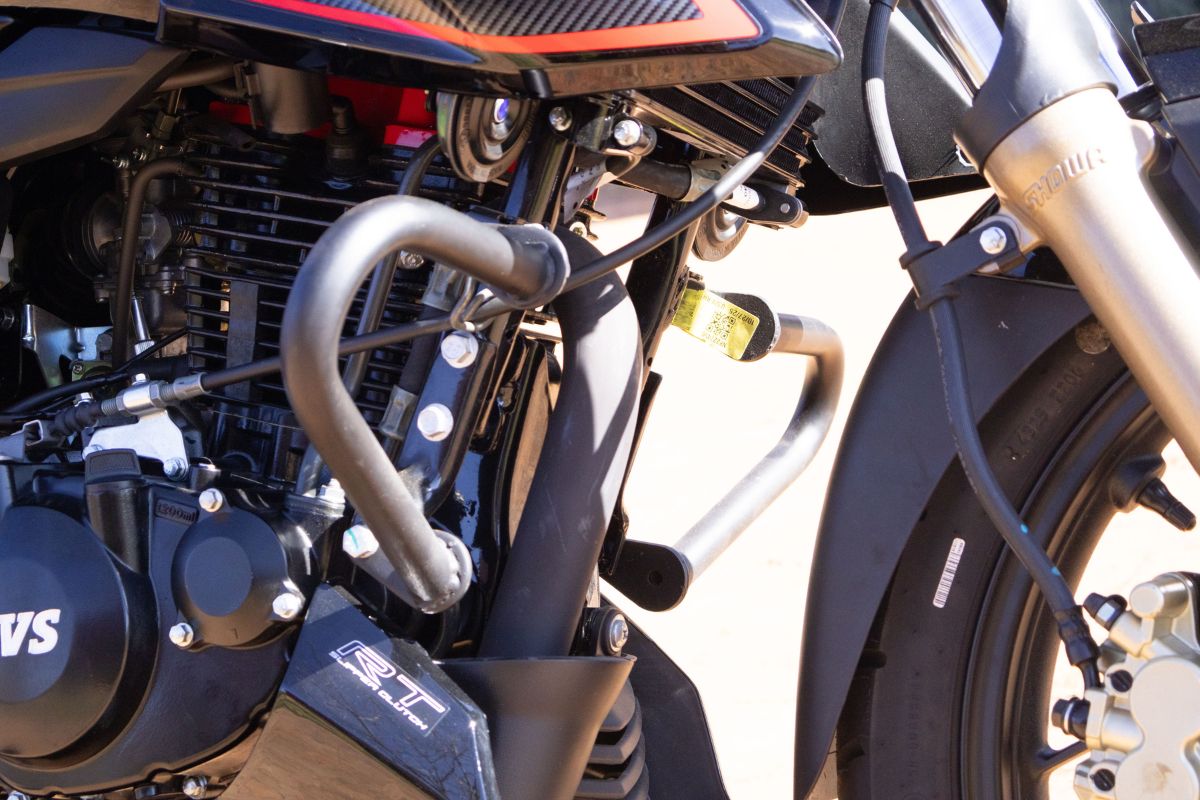
LED headlight, Rider modes (Rain, Urban and Sport) , a digital display with lap timer and top-speed recorder, adjustable Showa front suspension, dual-channel ABS, crash bars and adjustable levers.
The bike also has some cool stuff like a gear indicator with shift guidance, one-touch electric start and side and centre stands.
The Carburetted model (R35999.00) features:
LED headlight with Daytime running lights, digital display that includes a gear indicator and a shift light. It also features adjustable Showa front suspension and front and rear disc brakes.
The bike has crash bars, side and centre stands.
No rider modes or ABS. You need to use the choke for cold starts in our chilly highveld weather.
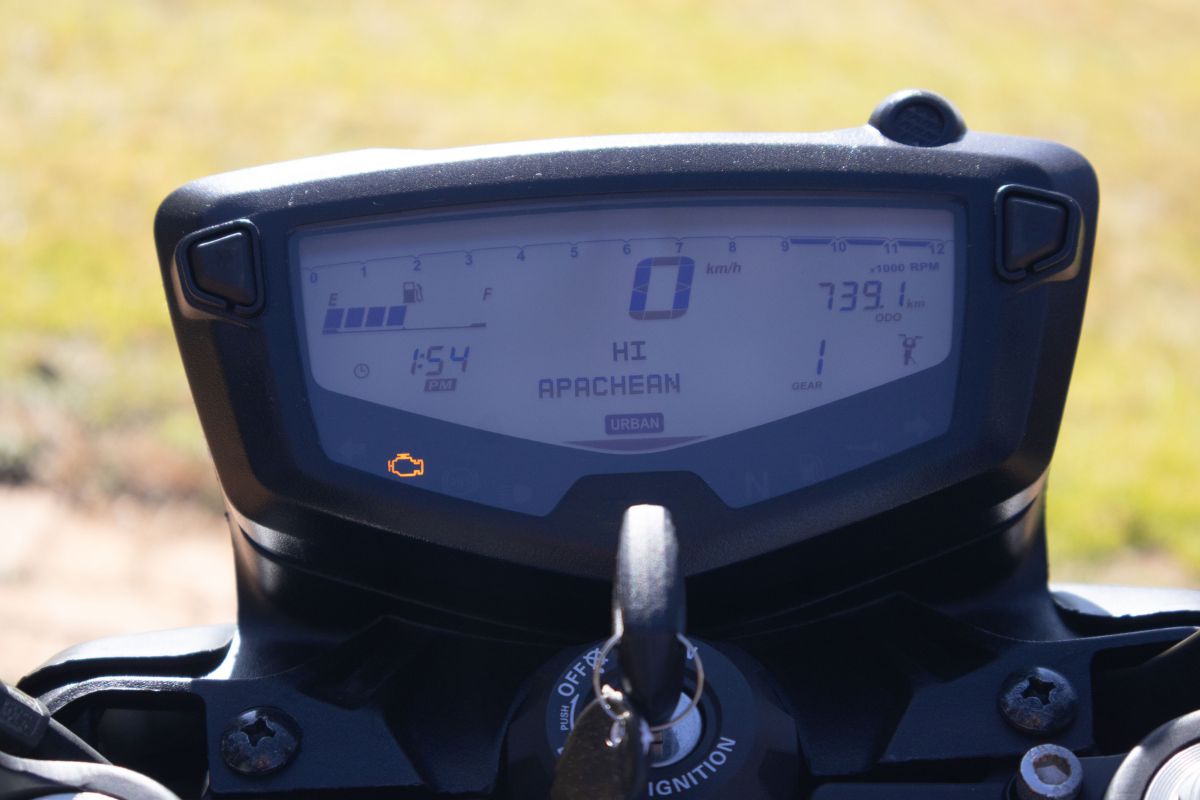
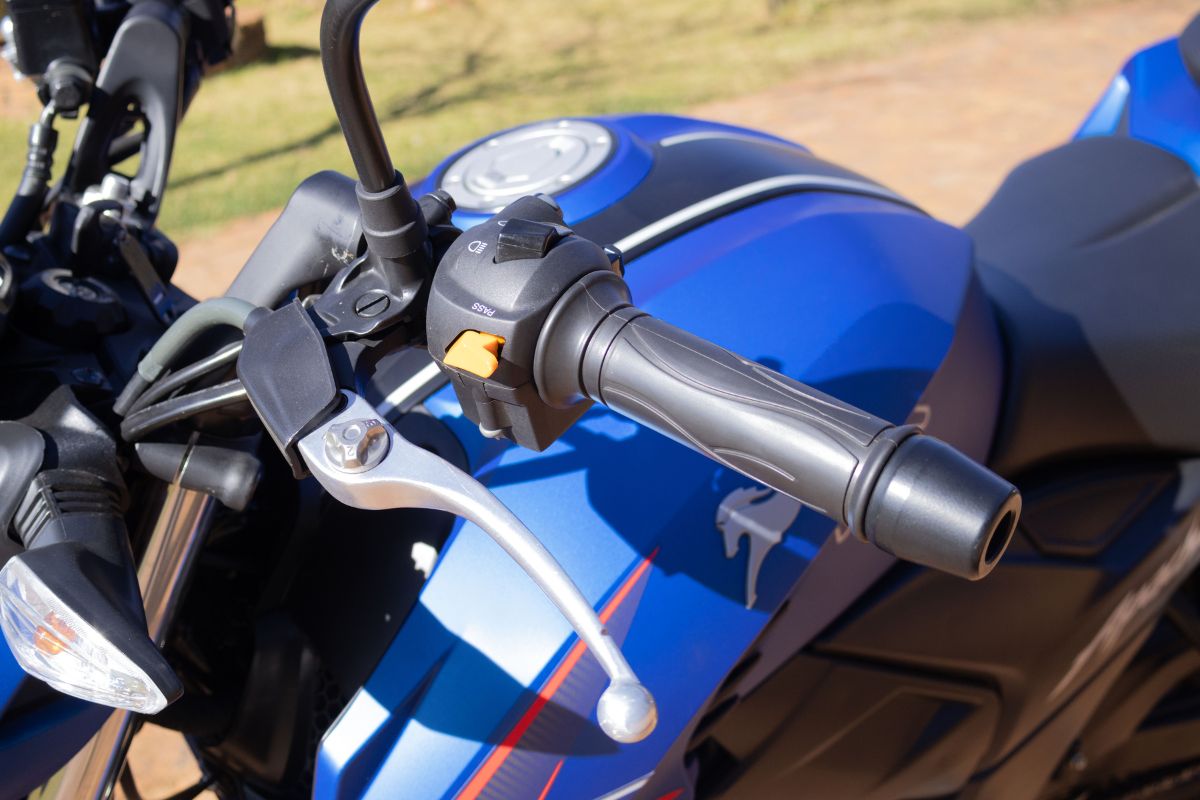
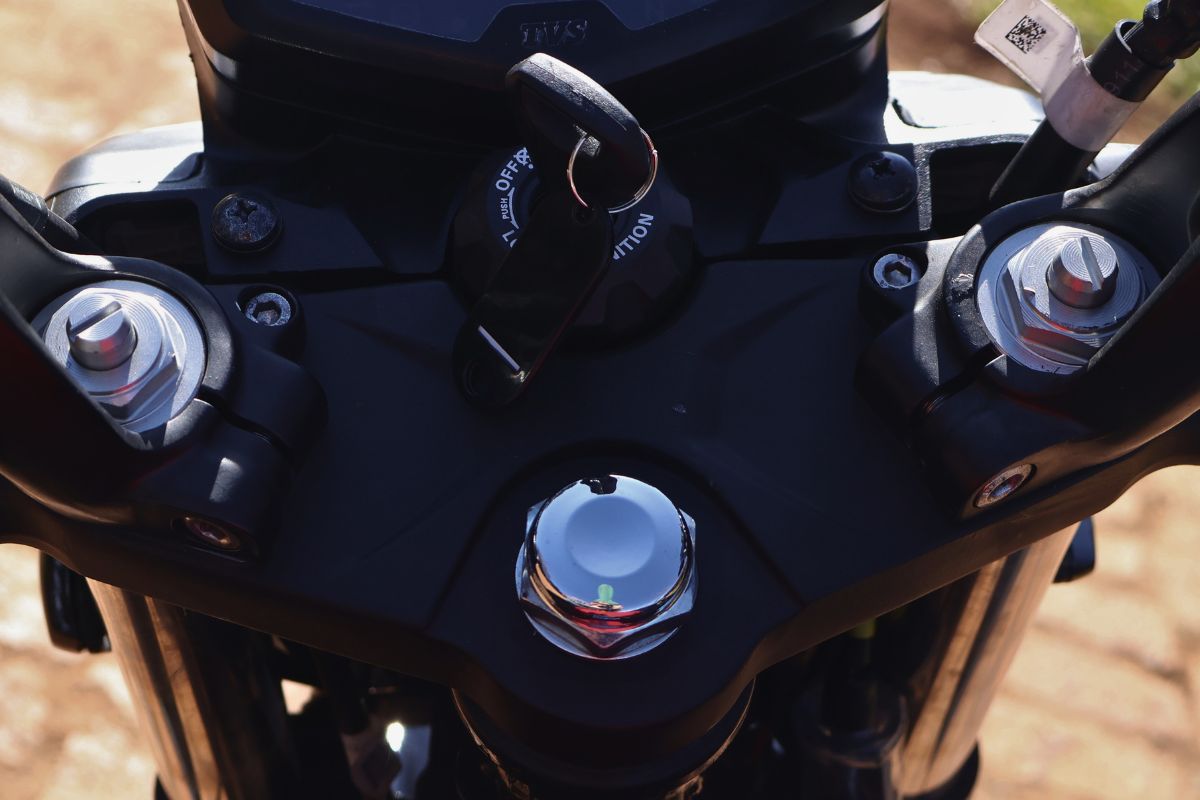
Climbing aboard both of these bikes, the switchgear is straightforward, the controls fall naturally to hand and the digital instrument displays are easy to navigate. The displays even greet you with a welcome message before presenting all the information you’d expect.
Out on the Road
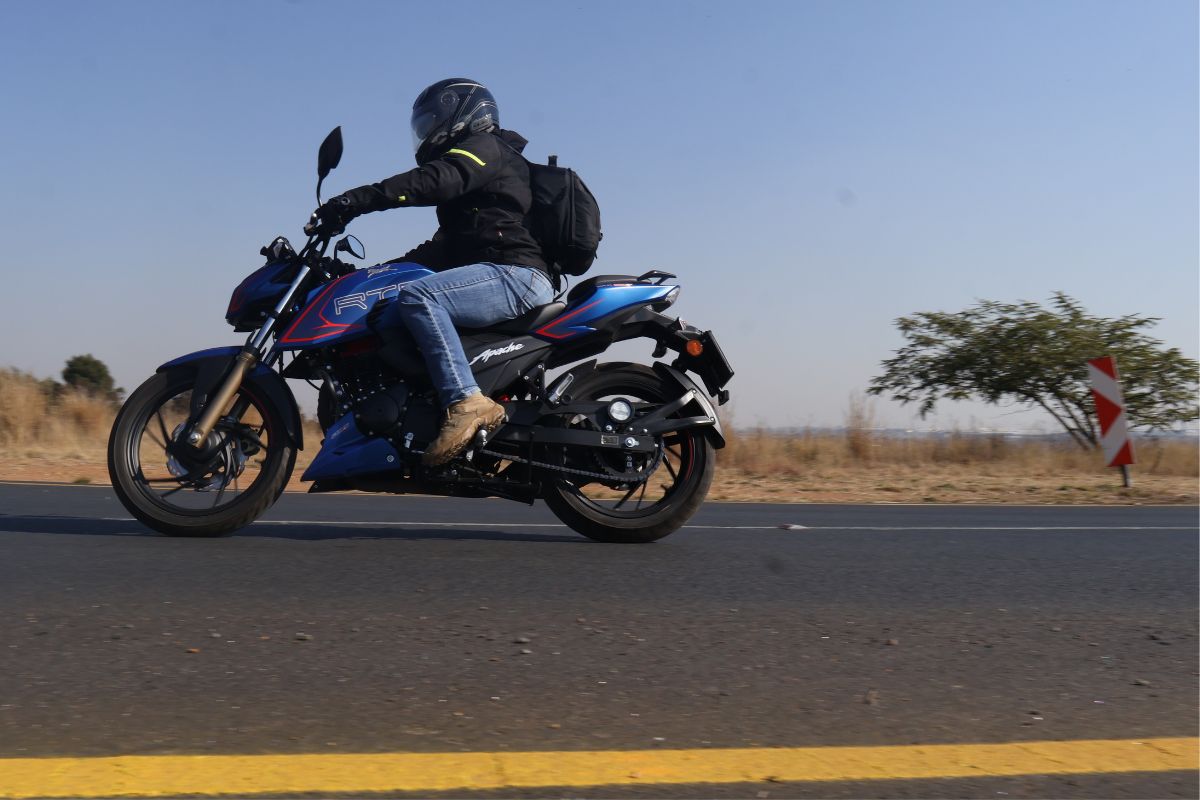
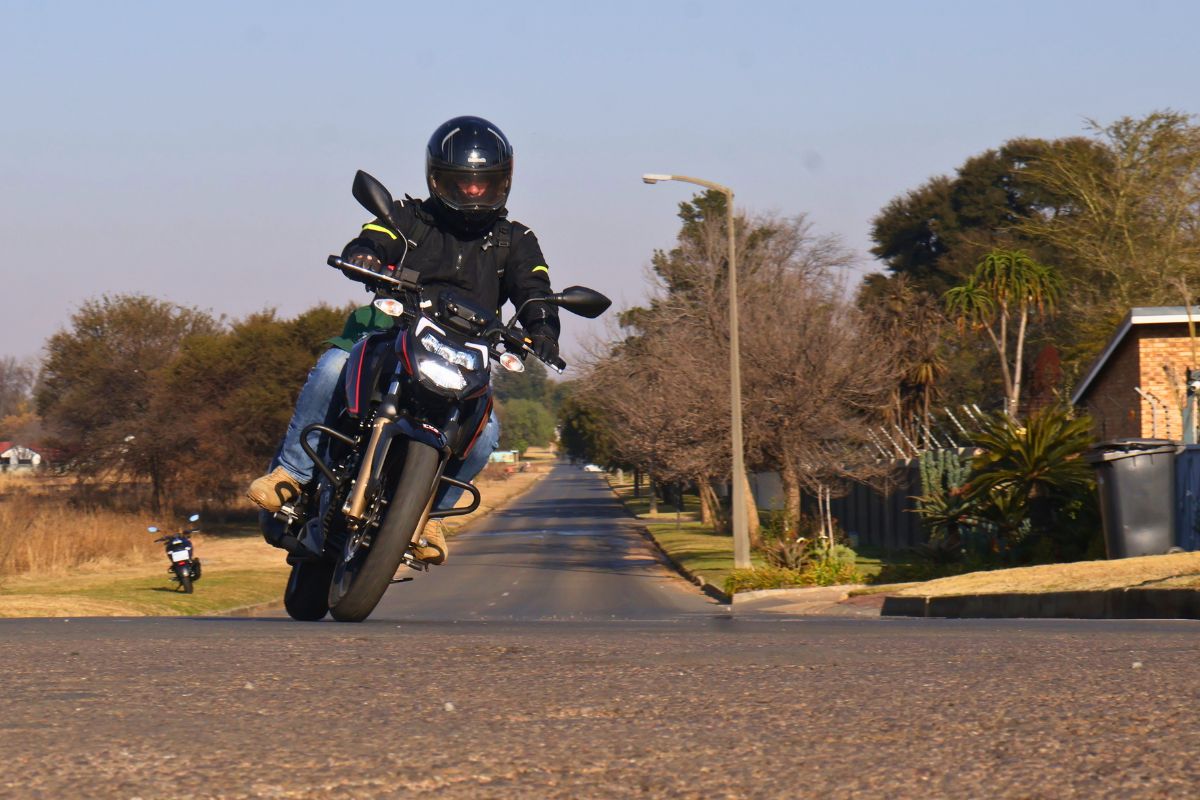
Our route covered approximately 120 kilometres with a mixture of city streets and freeway riding at speeds ranging between filtering at 70km/h and top speeds at around 120km/h mark. Max speed, pushing hard is around the 125KPH mark on both bikes although the top speed recorder showed that someone has done 140KPH on the Fuel injected model. That must have been down a LOOOONG hill with a tiny person in the saddle…
In South Africa, a 200 is freeway legal.
Both versions of this bike are geared towards commuting duties, however they are perfectly capable of handling the open-road. Just – don’t be in a hurry.
They accelerate cleanly through the gears and, especially with our lighter rider in the saddle, they had no trouble maintaining highway speeds.
On our ride, in sports mode, the EFI is slightly quicker through the gears, but we found that the carburetted model is a smidgeon faster at the top and – it feels and sounds a bit more exciting.
For overtaking duties, both bikes respond willingly, dealing with everyday traffic easily.
Both riders found the bike comfortable and both commented that suspension and handling is better than expected for little bikes like these.
Fuel Consumption
Our test returned approximately 34–35km/l from the Fuel Injection model, while the carburettor
version averaged around 27km/l.
With both bikes carrying a 12-litre fuel tank, the FI version offers an impressive fuel number, something that fleet owners and commuters alike will be looking at.
A Bit of Fun
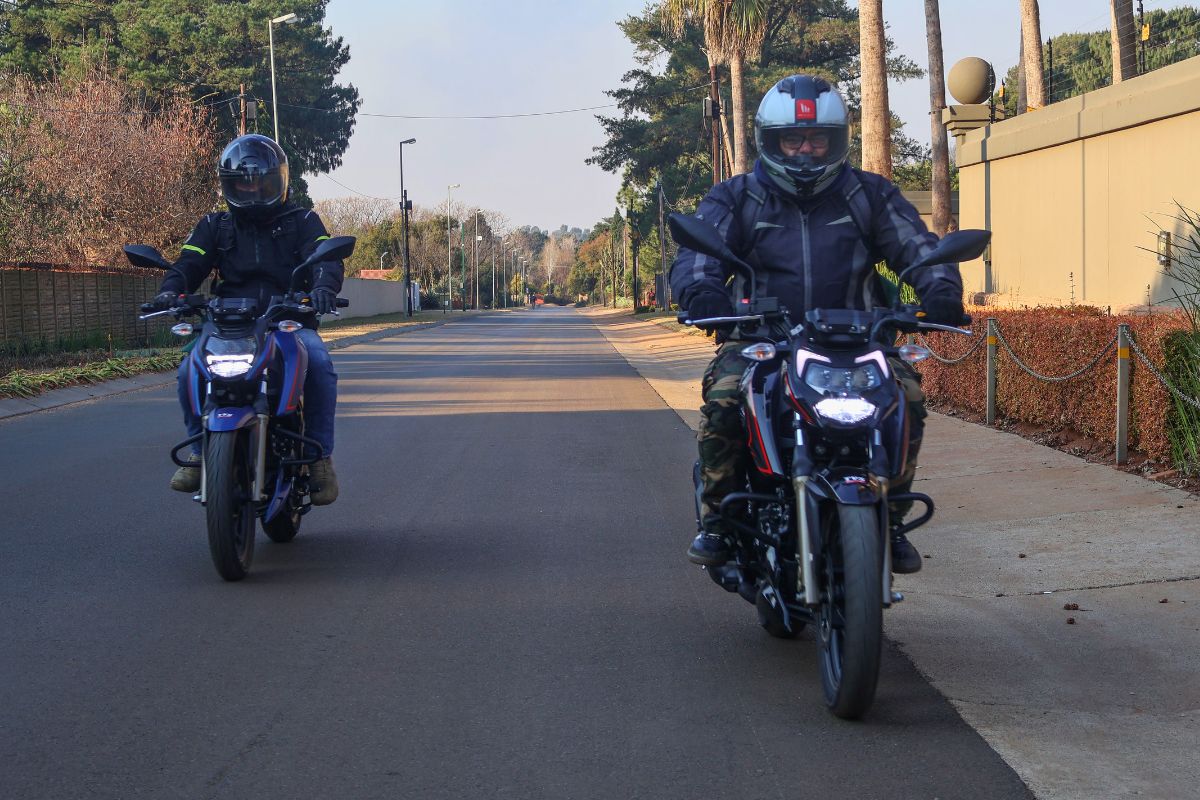
Back at the office we lined the two Apaches up for a quick drag race. Race, swap riders. Race, swap riders until a Karen came to interrupt the fun.
While both bikes achieved virtually the same top speed, the FI model edged ahead through the gears thanks to Sport mode holding each gear slightly longer.
Ridefast Verdict
The Fuel Injection model brings additional technology, selectable riding modes and ABS, while the carburetted version offers a simpler, traditional riding experience.
As urban commuters, both Apache RTR 200 4V models deliver an impressive package for commuters and first-time buyers.
So why do you think they offer this bike with both fuelling options?
We’d imagine that there are a few factors, especially when you look at where the bikes are built. India is vast and zillions of motorcycles are sold into that market every year. The carburetted model costs quite a bit less – and, should you wish to repair, they are fairly simple to get sorted out, even in remote, rural areas.
Modern EFI bikes are ridiculously reliable with precise fueling and better economy, but should you have an issue, unless you have a fault finding machine, they can be tricky to repair. Perhaps simplicity is one of the main reasons.