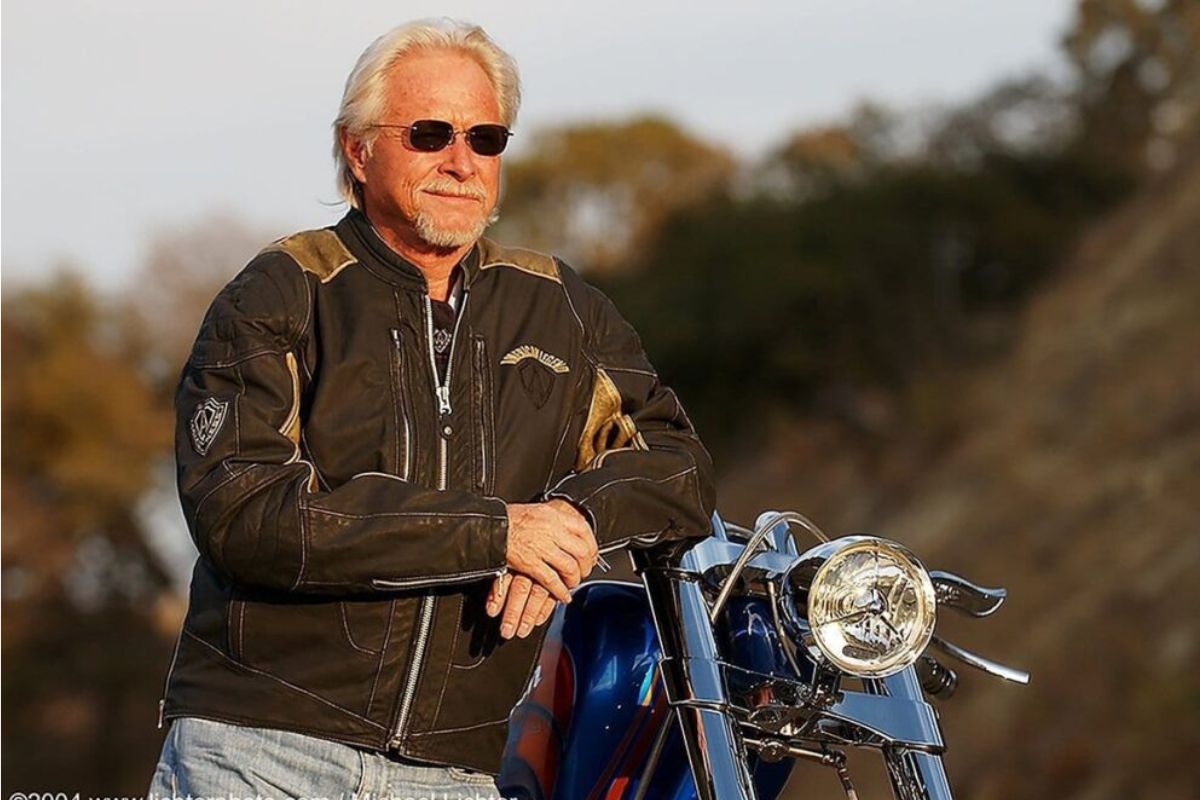
There are custom builders, and then there’s Arlen Ness, a man whose influence in the chopper market runs so deep that it’s almost invisible, simply because so much of what he pioneered has become the norm.
The Untouchable
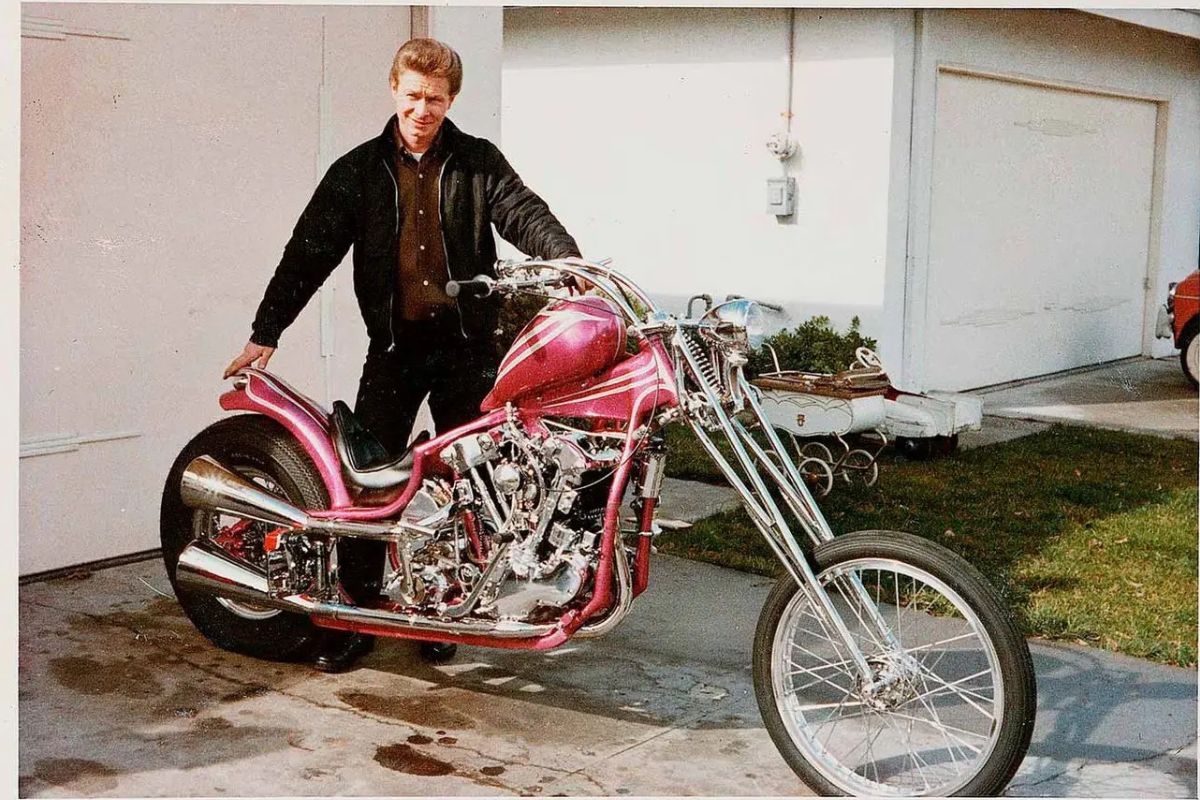
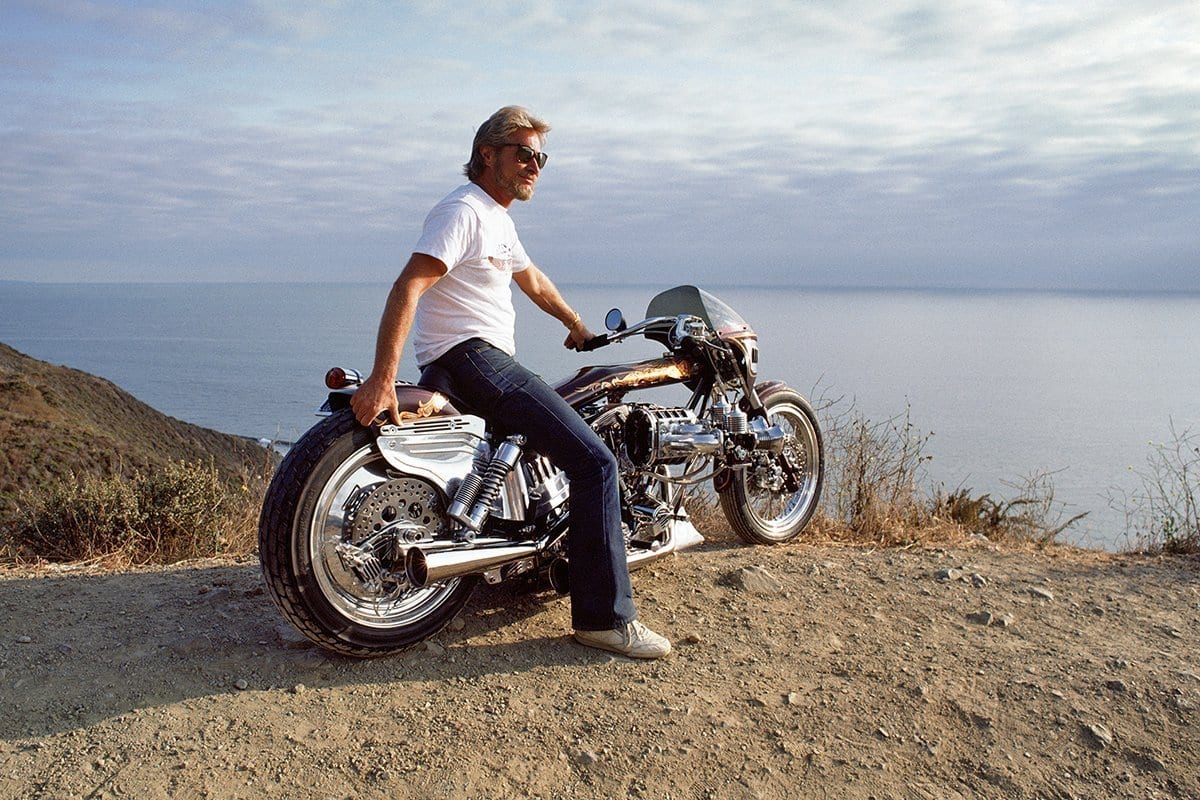
Born in 1939, Ness didn’t set out to become a legend. Like so many great stories in motorcycling, his began with a single machine and a bit of curiosity. After buying a 1947 Harley-Davidson Knucklehead with money he’d won from bowling, he started modifying it in his garage in California. That first build would later become known as The Untouchable, a bike that didn’t just mark the beginning of his career, but set the tone for everything that followed.
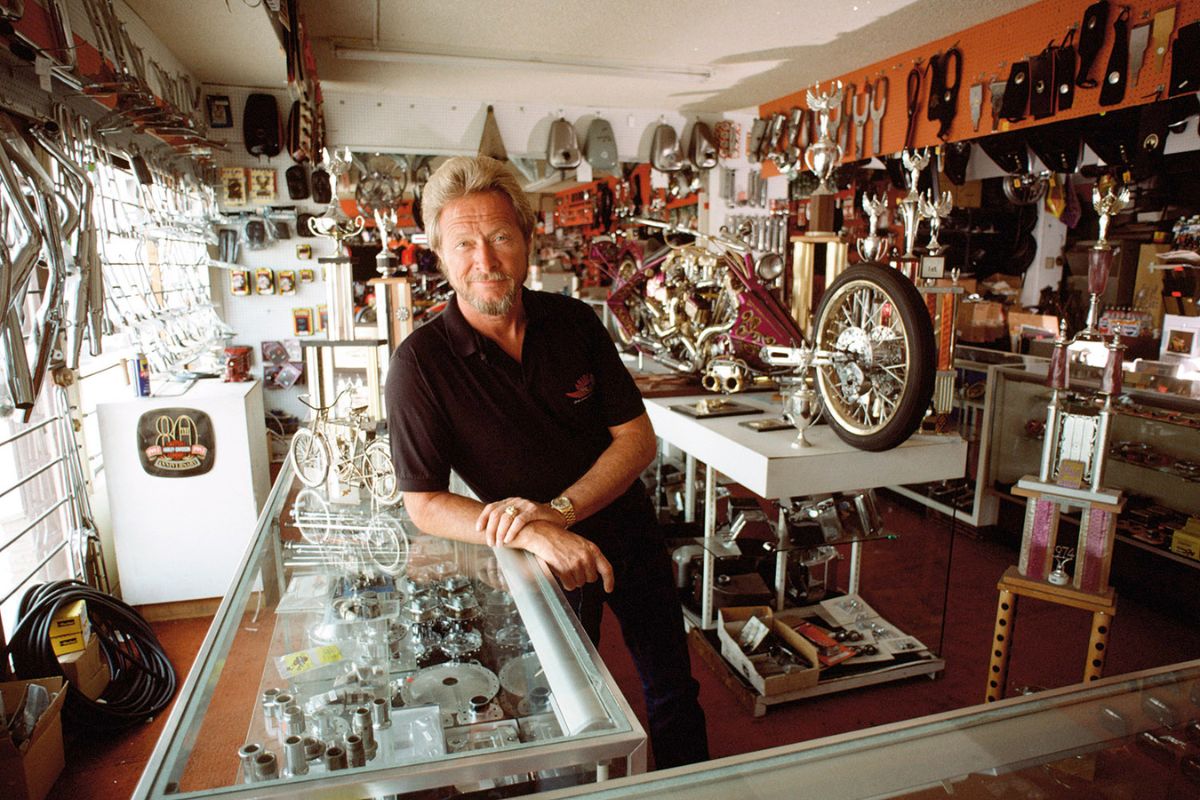
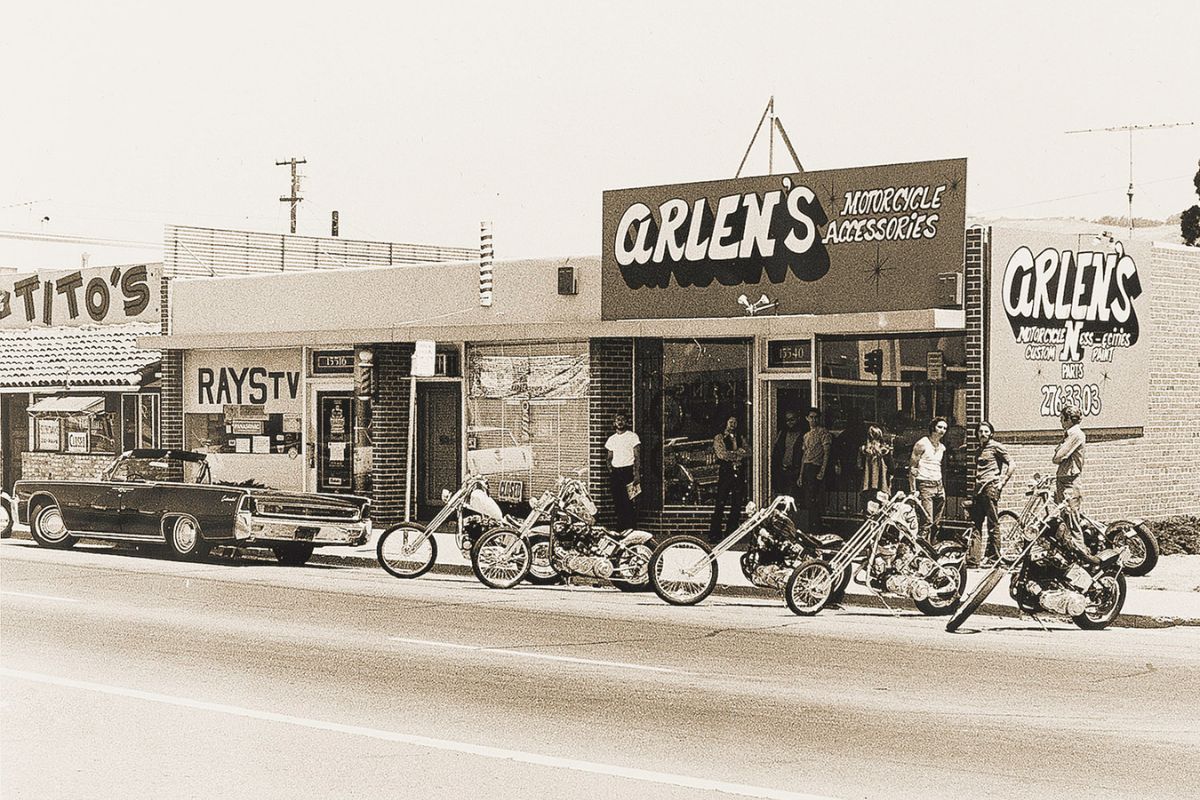
What began as a personal project quickly turned into something much bigger. By 1970, he had opened a small shop, and in doing so, unknowingly laid the foundation for one of the most influential custom motorcycle brands the world has ever seen.
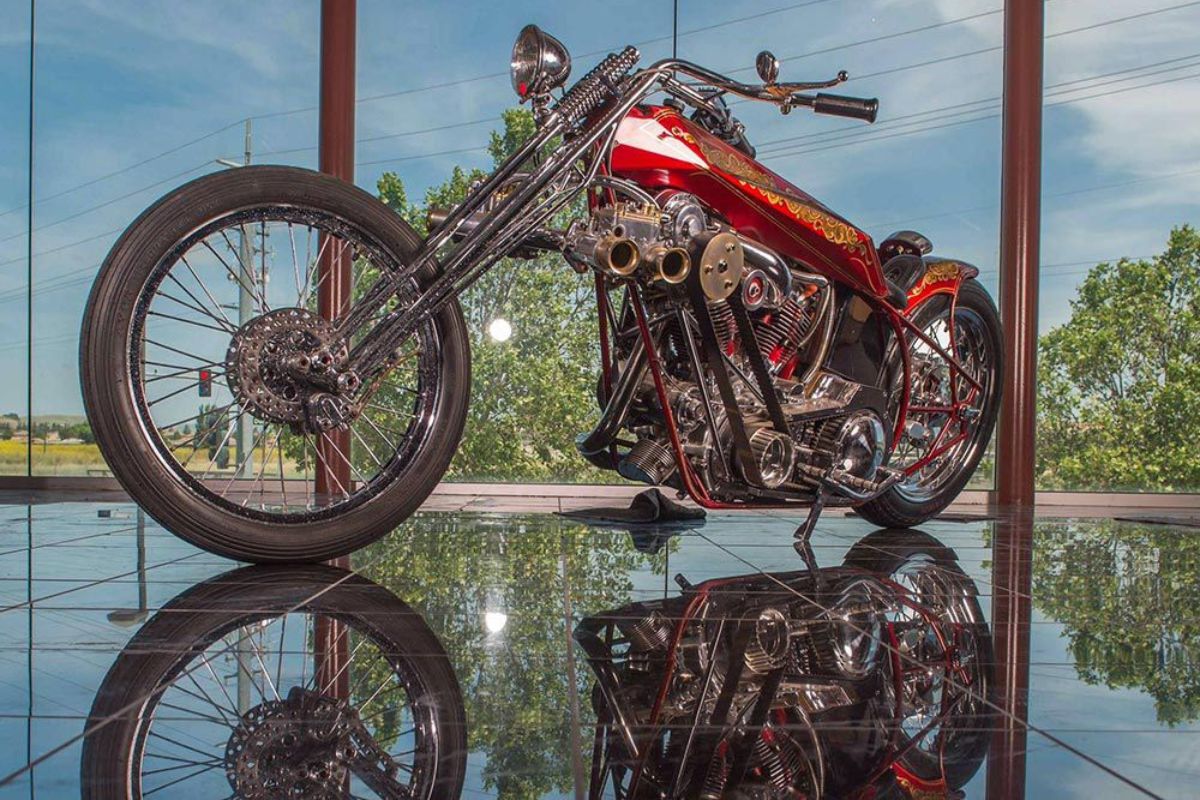
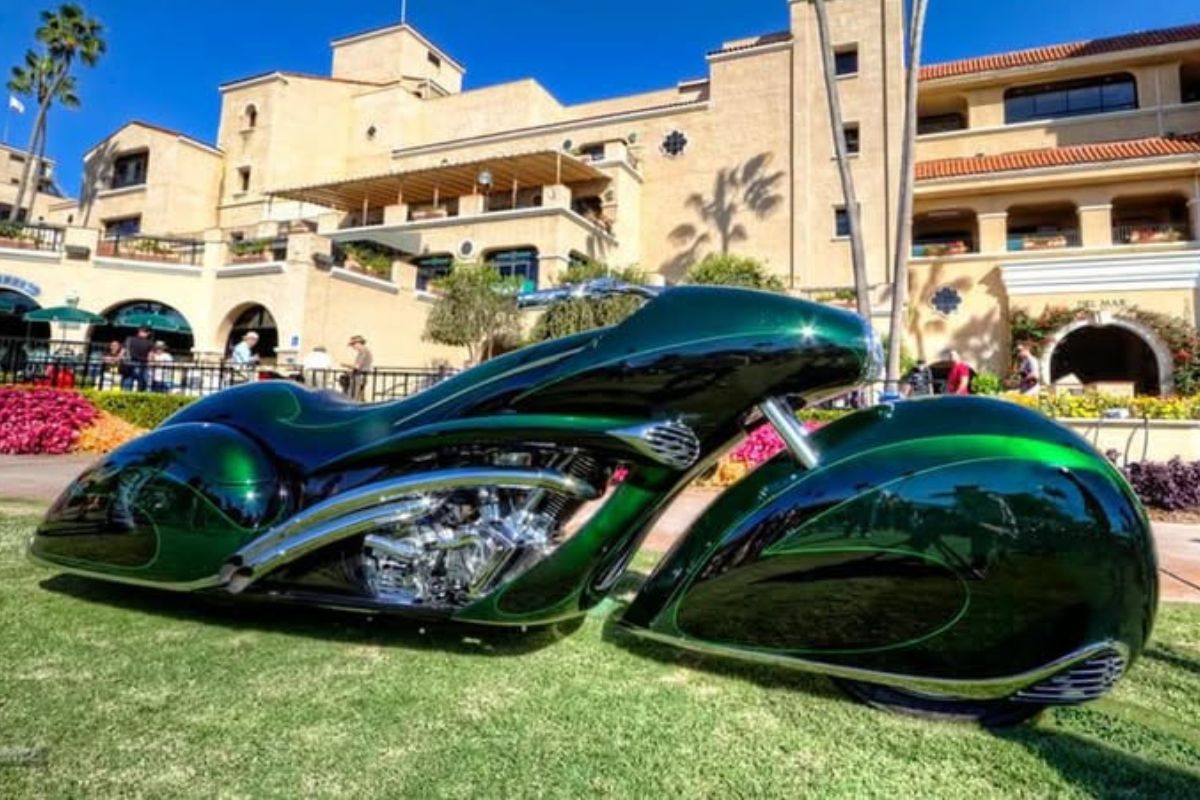
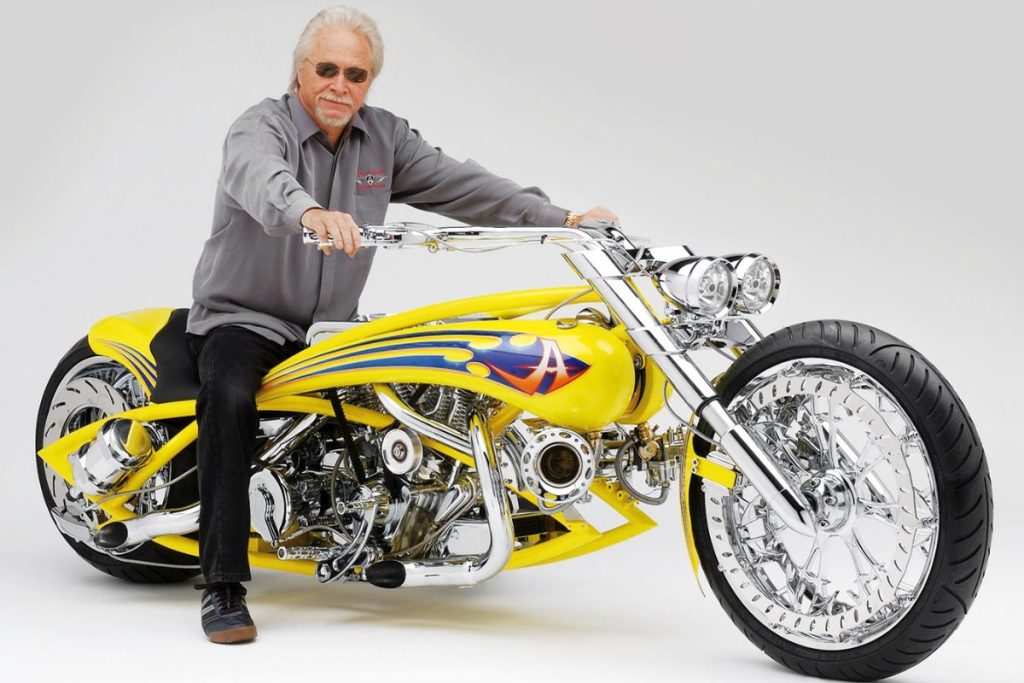
What set Ness apart wasn’t just his ability to build a bike, it was the way he saw them. Where others worked within the traditional lines of a motorcycle, Ness stretched, sculpted and reimagined them. His bikes were lower, longer and more fluid, often borrowing design cues from American hot rods and classic cars. He didn’t just customise motorcycles, he redesigned them from the ground up, treating each build as a piece of rolling sculpture.
Smooth-Ness
And then there was the signature that would come to define his work: smooth-ness. Not just in the ride, but in the visual execution. Frames flowed into tanks, tanks into seats, and bodywork into fenders with an almost liquid continuity. It became known as the “Smooth-ness”, a design philosophy where nothing looked added on, everything felt integrated. It’s a concept that modern manufacturers still chase today.
Through the 1970s and 1980s, his reputation exploded. His work began appearing in magazines, shows and exhibitions across the United States, and eventually the world. At a time when custom bikes were still a niche corner of motorcycling, Ness helped bring them into the spotlight. More importantly, he showed that custom motorcycles could be both functional machines and high-end art.
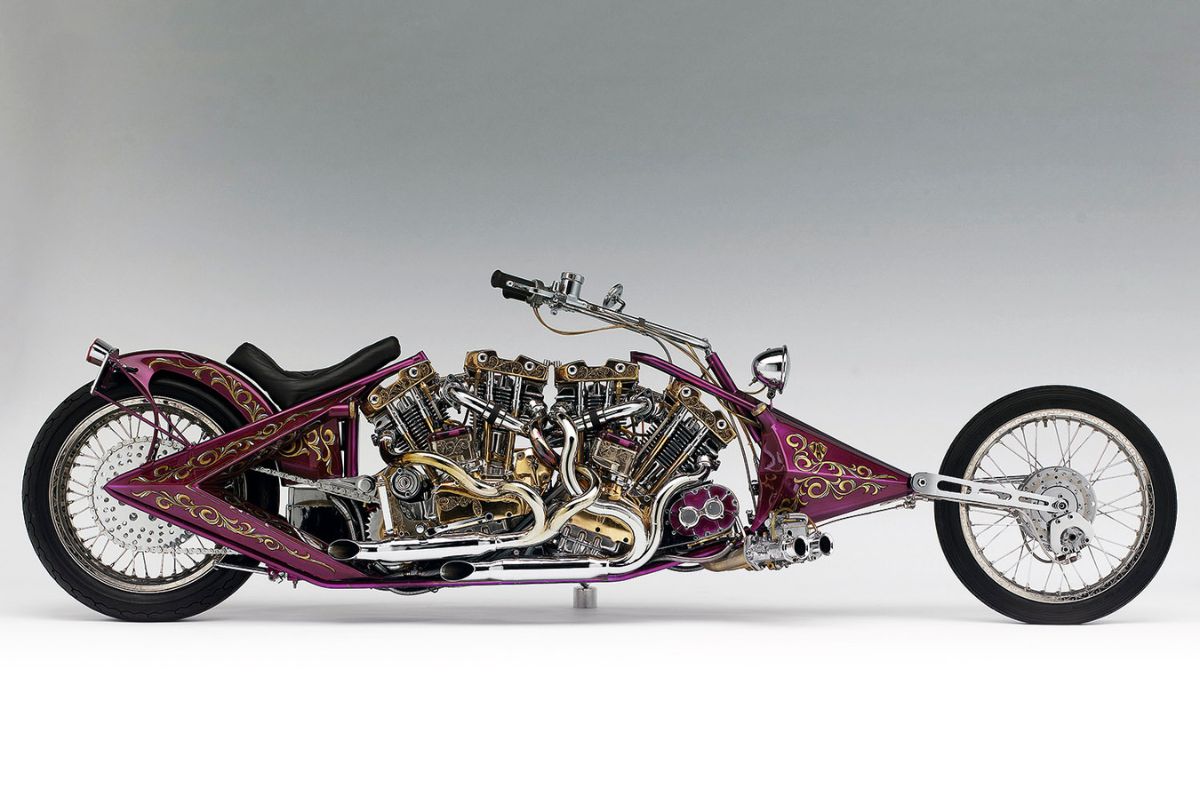
Some of his most iconic creations perfectly capture this philosophy. Early on, bikes like the Arrow Bike pushed boundaries with radical, futuristic styling that looked decades ahead of its time. Then came machines like Two Bad, a twin-engine Harley-Davidson that remains one of the most outrageous and recognisable customs ever built, an unapologetic statement of excess and engineering creativity
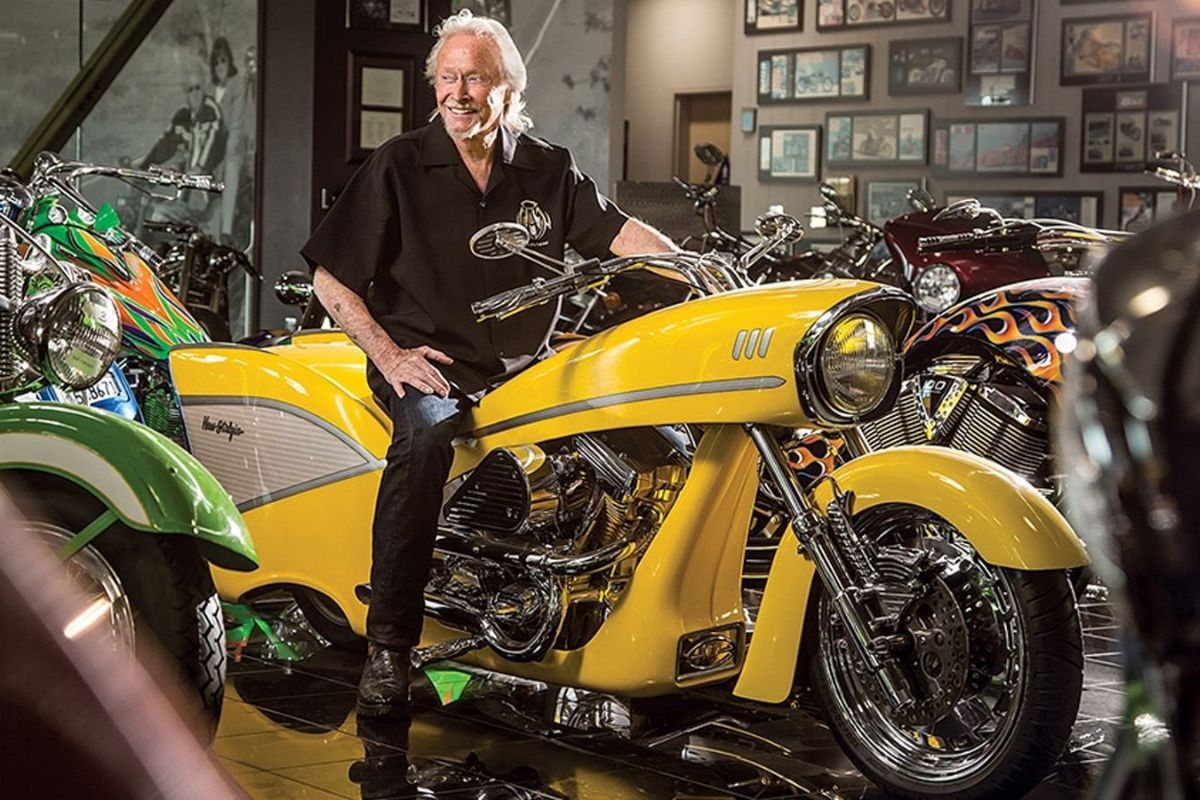
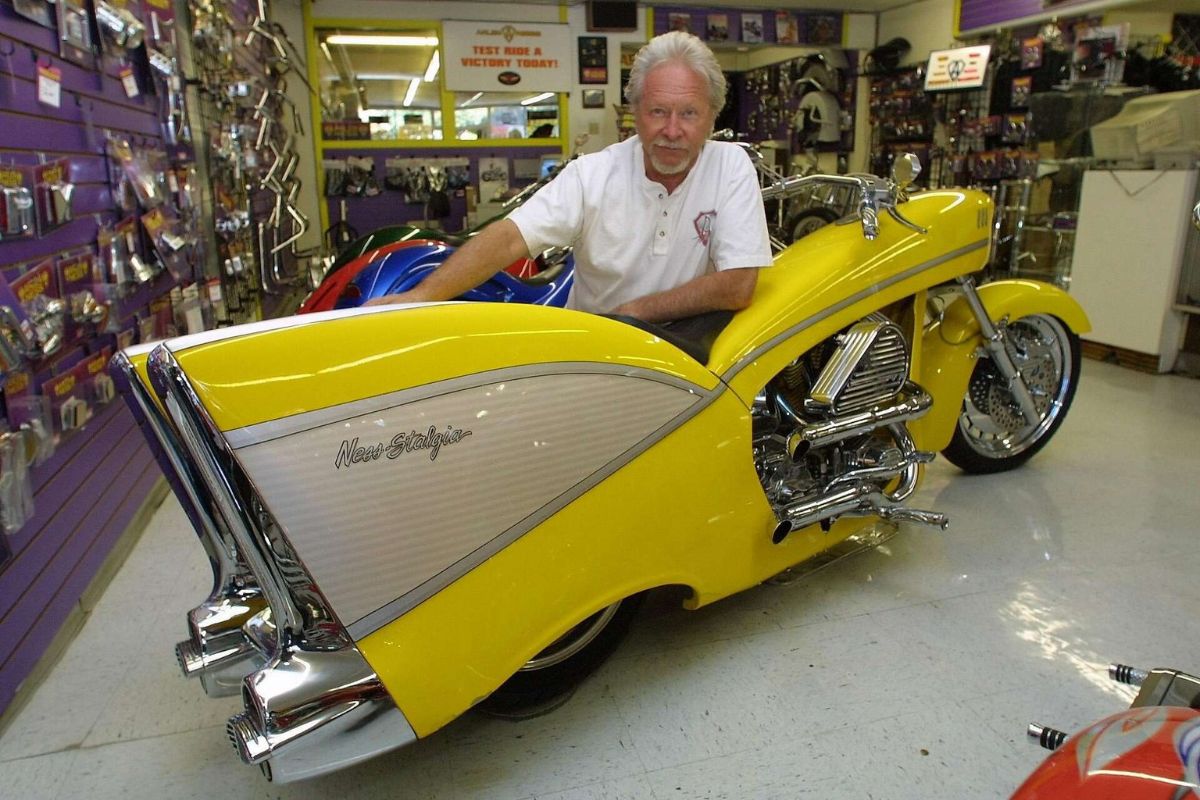
But it was builds like Ness-Stalgia that truly showcased his depth as a designer. Inspired by 1950s American automotive styling, it blurred the line between car and motorcycle in a way that felt both nostalgic and futuristic. It wasn’t just a custom, it was a rolling homage to an entire design era, executed with the precision and flair that only Ness could deliver.
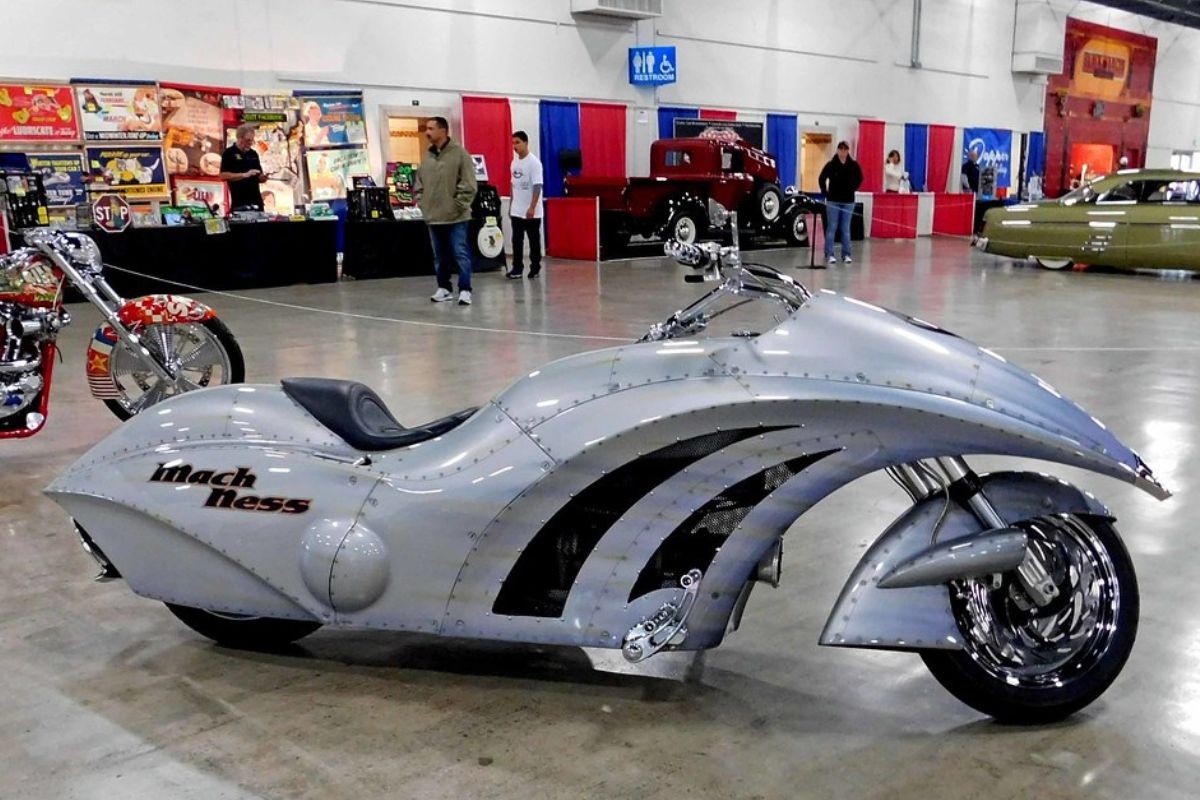
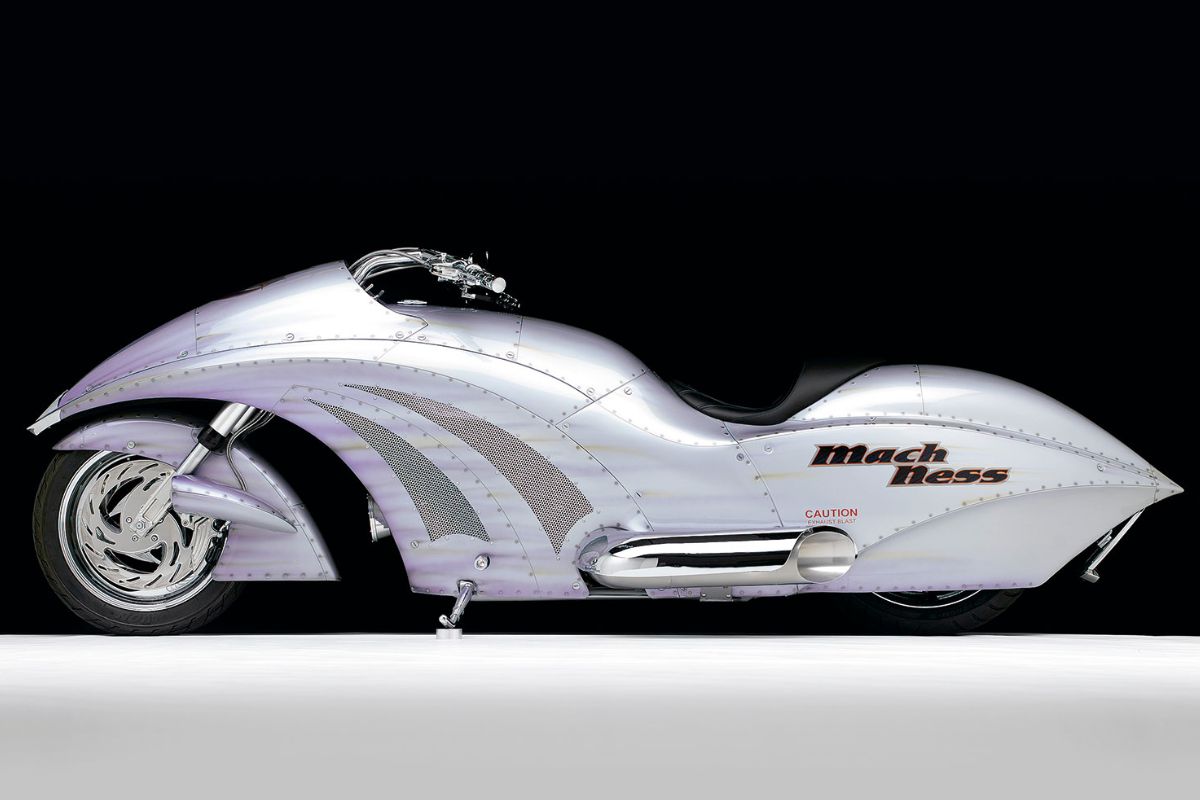
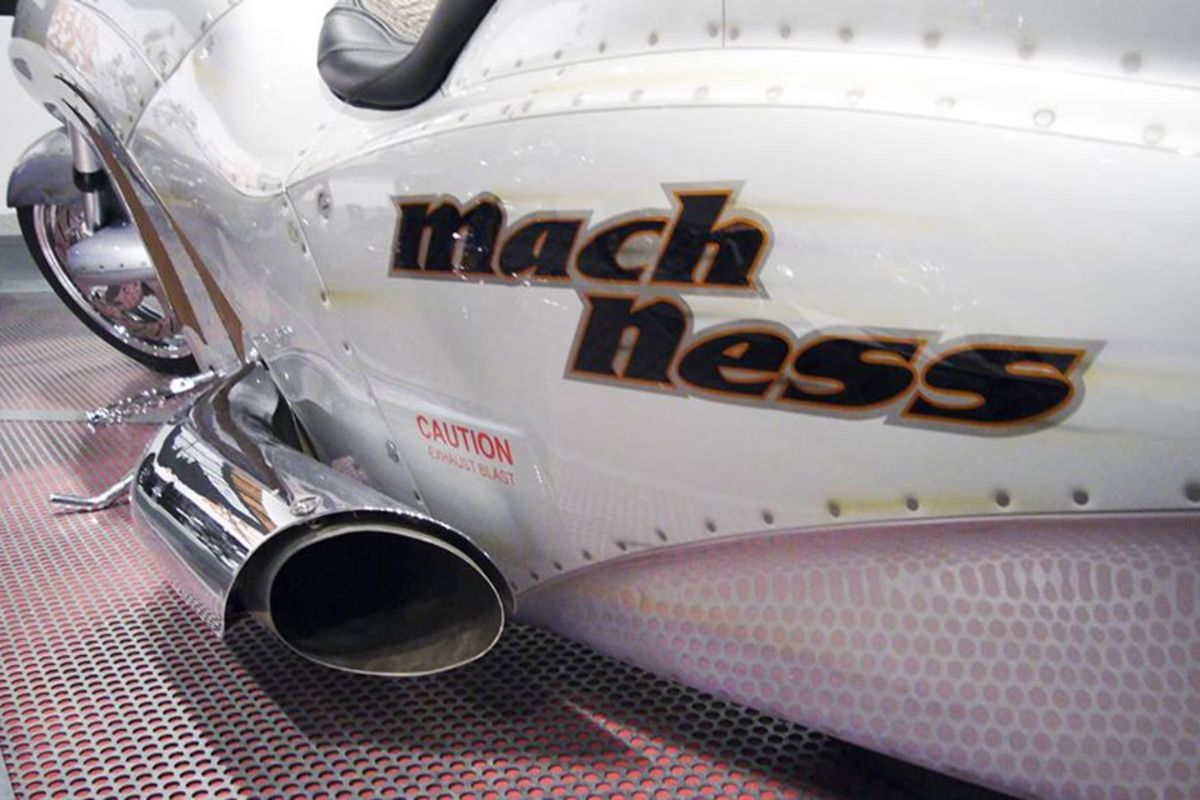
And then, of course, there was Mach Ness, a jet-powered creation that proved there were no boundaries he wasn’t willing to explore. It wasn’t about practicality. It was about possibility.
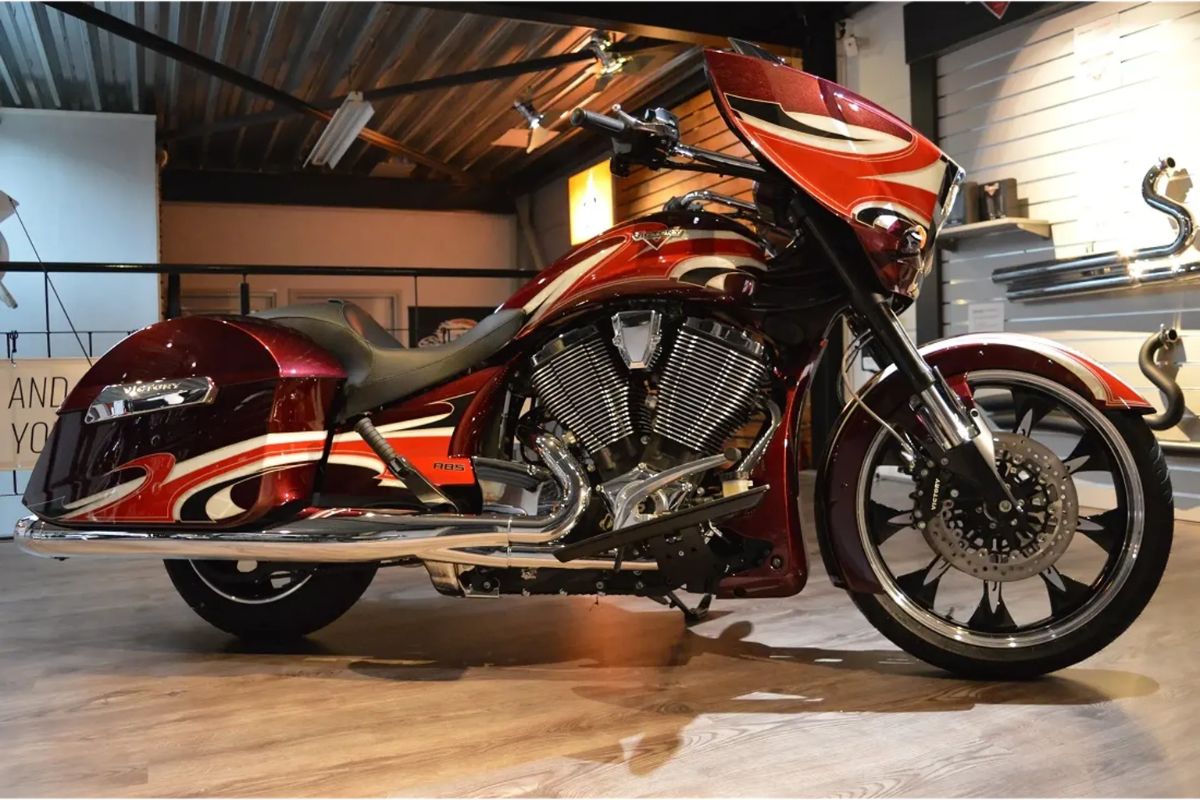
Victory Ness
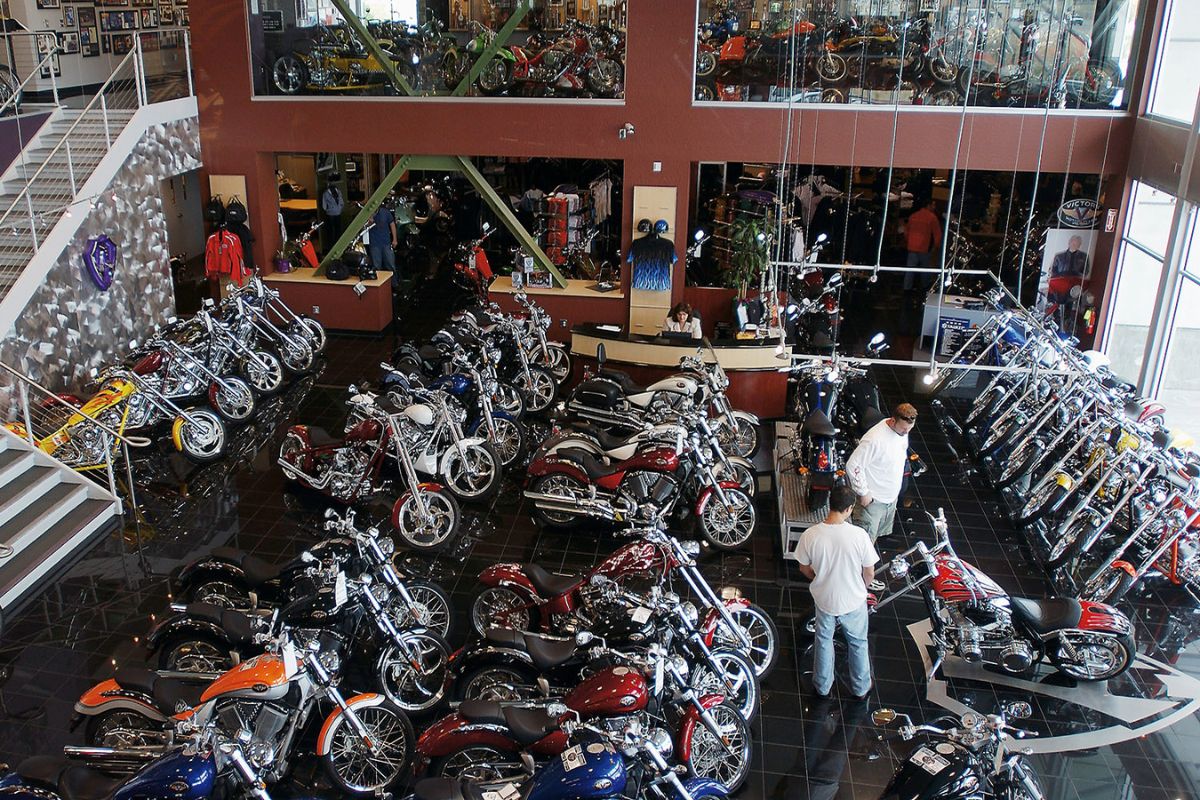
But focusing only on the wild builds misses the bigger picture. Ness wasn’t just creating showpieces, he was shaping an industry. His influence can still be seen today in everything from oversized front wheels on modern cruisers to the flowing bodywork and integrated design language that manufacturers now use as standard. Long before it became mainstream, Ness was already blending performance, aesthetics and identity into a single package.
That influence extended far beyond his own workshop. Builders around the world took cues from his work, consciously or not. His approach to proportion, stance and detail became a blueprint for generations of customisers. Even factory manufacturers, including Harley-Davidson, began incorporating elements of custom styling into their production bikes, a shift that helped blur the line between showroom machines and one-off builds.
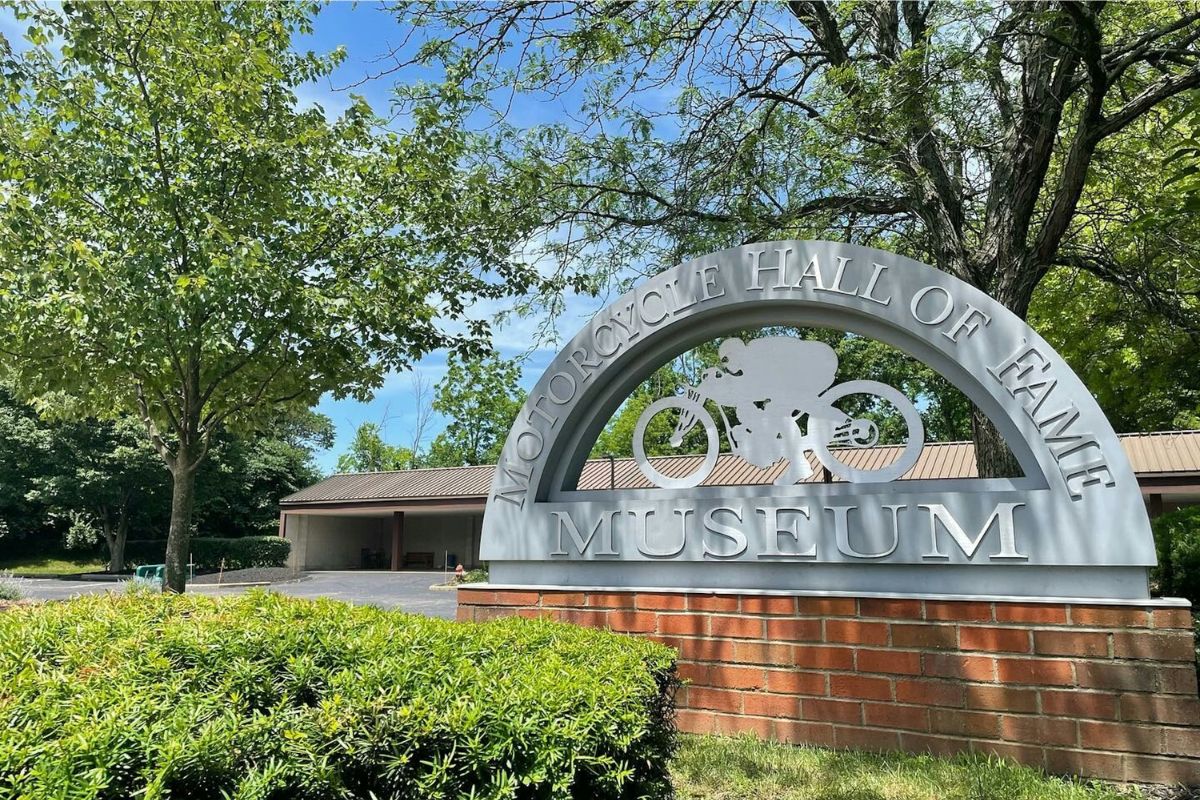
In 1992, his contribution to motorcycling was formally recognised with his induction into the Motorcycle Hall of Fame, but by then his legacy was already firmly established. Ness had done more than build bikes, he had changed the way people thought about them.
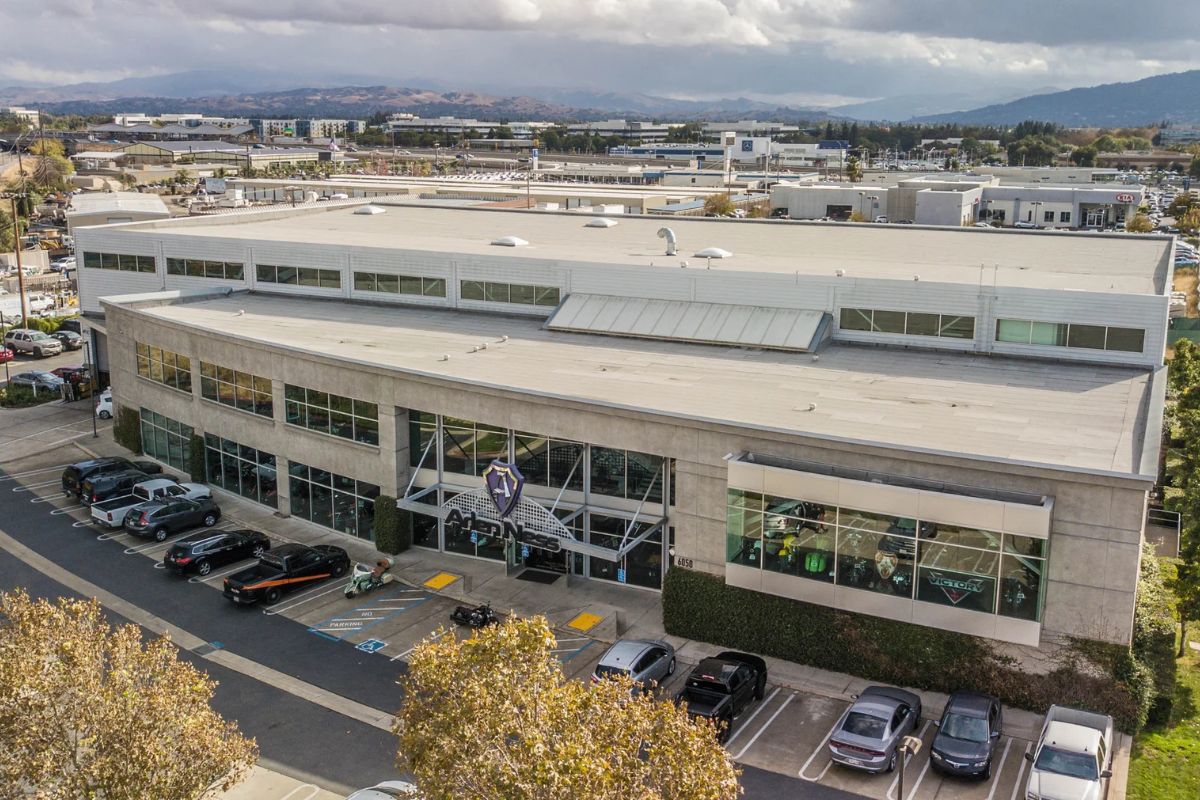
The business he built, Arlen Ness Enterprises, became just as influential as the man himself. What started as a small custom shop evolved into a global brand, producing everything from performance parts to wheels, bodywork and riding gear. Importantly, it wasn’t just about selling products, it was about giving riders the tools to create their own vision, something that aligned perfectly with the ethos Ness had championed from the beginning.
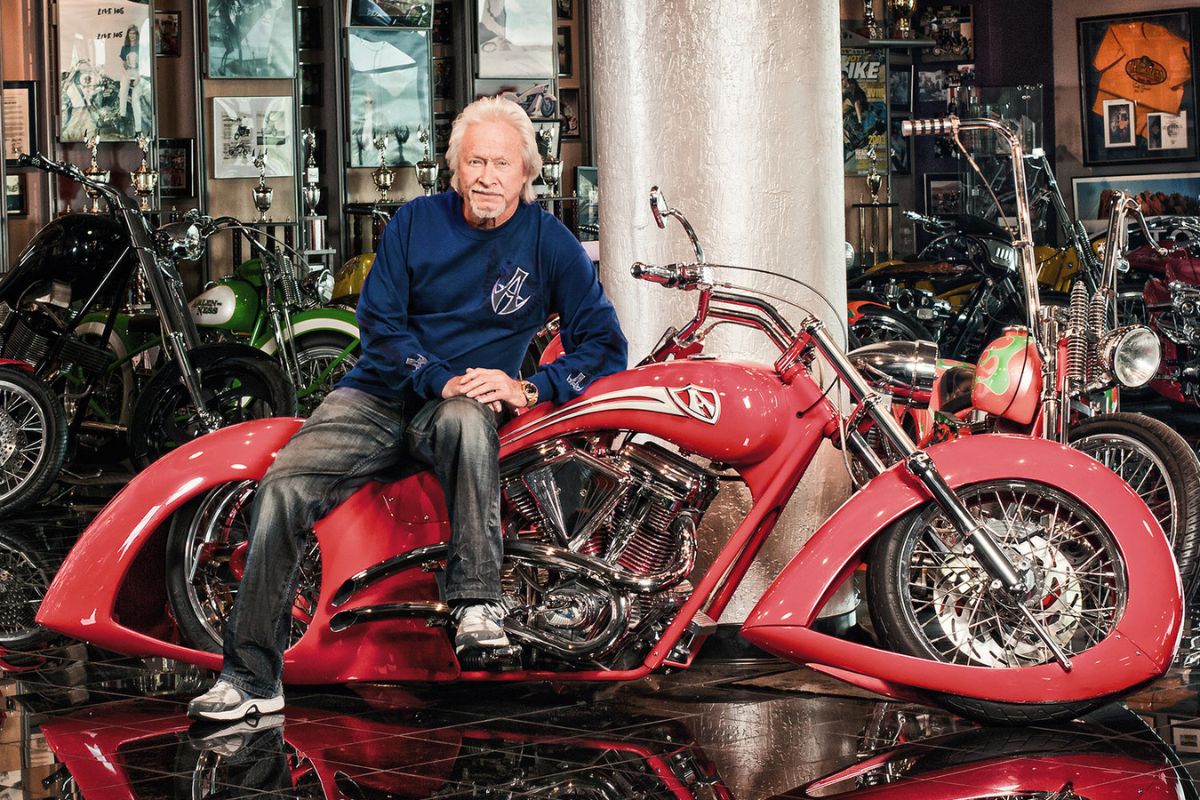
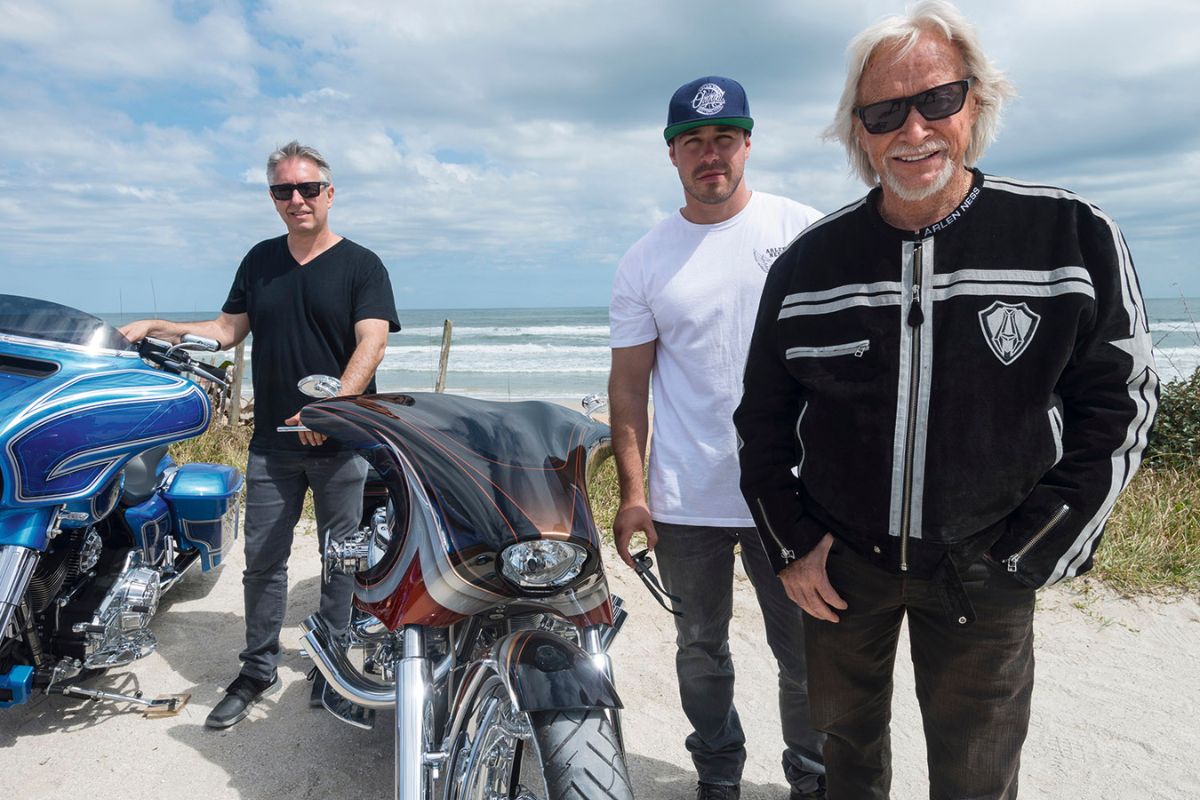
Cory, Zach and Arlen Ness.
Today, the company remains a family operation, with his son Cory Ness and grandson Zach Ness continuing the legacy. That continuity matters. In an industry that often moves quickly from trend to trend, the Ness name still carries the weight of authenticity, built over decades of innovation and consistency.
When Arlen Ness passed away in 2019, the tributes that followed came from every corner of the motorcycling world. Builders, racers, manufacturers and everyday riders all recognised the same thing, without Ness, the landscape of custom motorcycles would look very different.
The significance of Ness goes beyond the custom scene. His work helped shape the broader culture of motorcycling. The idea that a bike should reflect its rider, that it should be as much about identity as it is about performance, is something we now take for granted. Ness was one of the people who made that idea real.
Look at any modern cruiser, any high-end custom build, or even the way manufacturers present their flagship models today, and you’ll find echoes of his influence. Clean lines, bold proportions, attention to detail, these aren’t just design choices, they’re part of a legacy.
Arlen Ness didn’t just build motorcycles. He redefined what they could be.