The Motorcycle That Looks Like It Rode Straight Out of Tomorrow
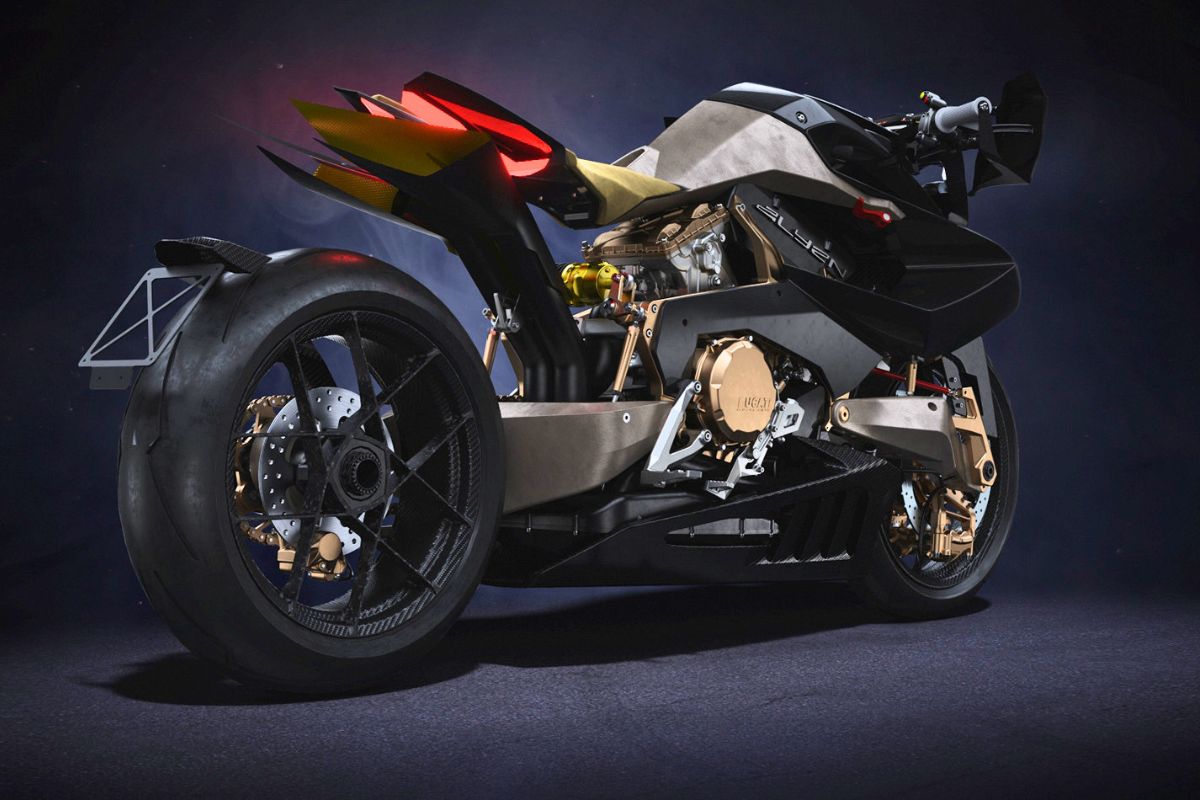
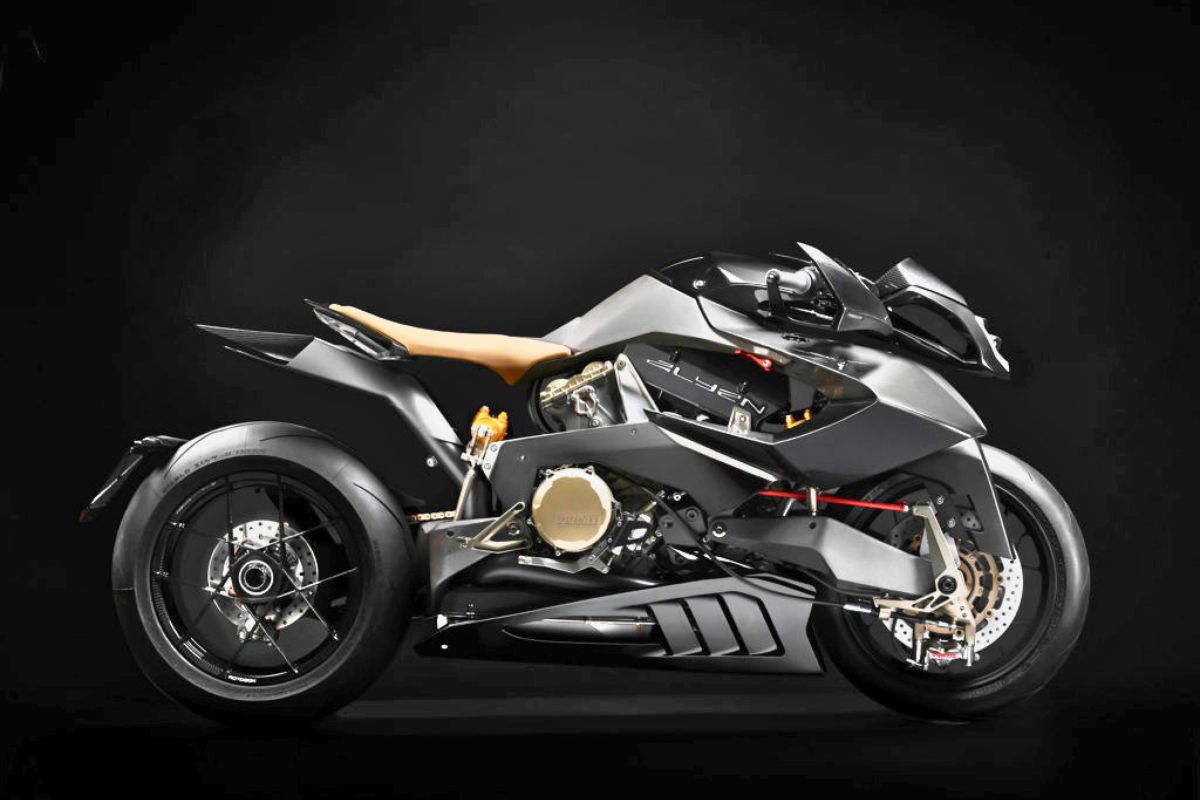
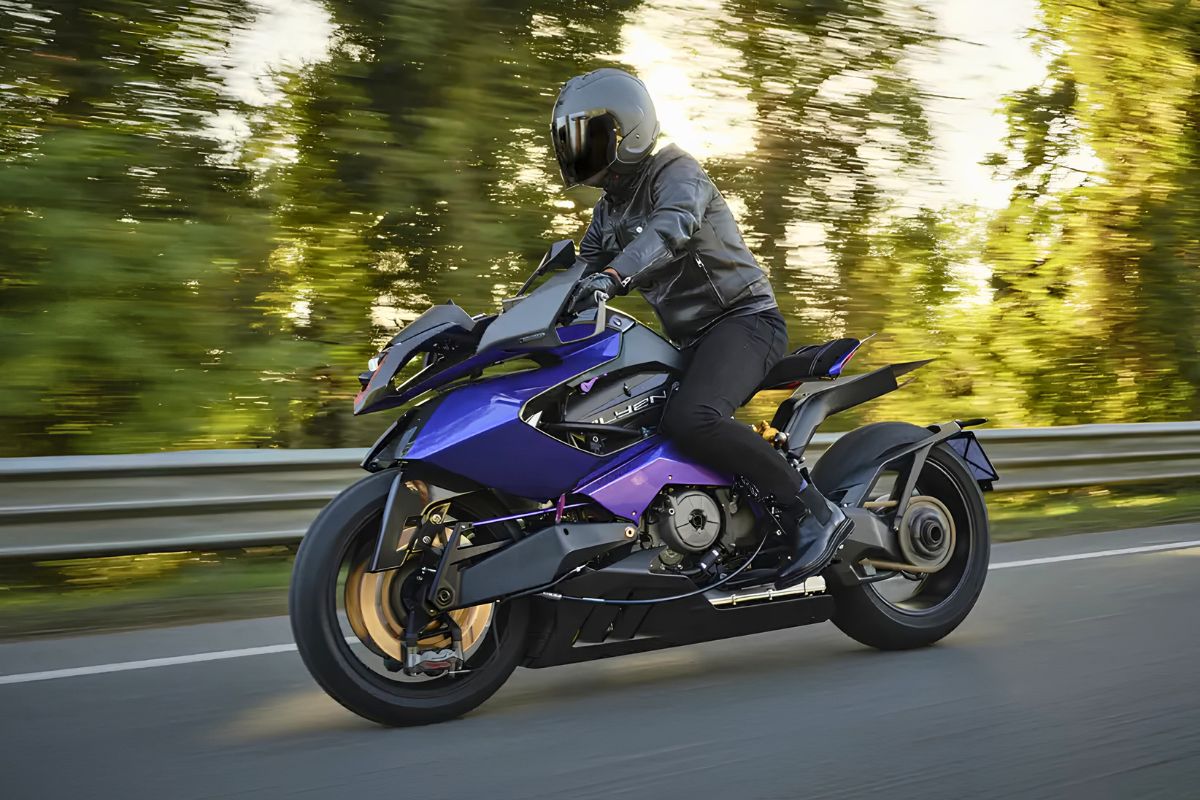
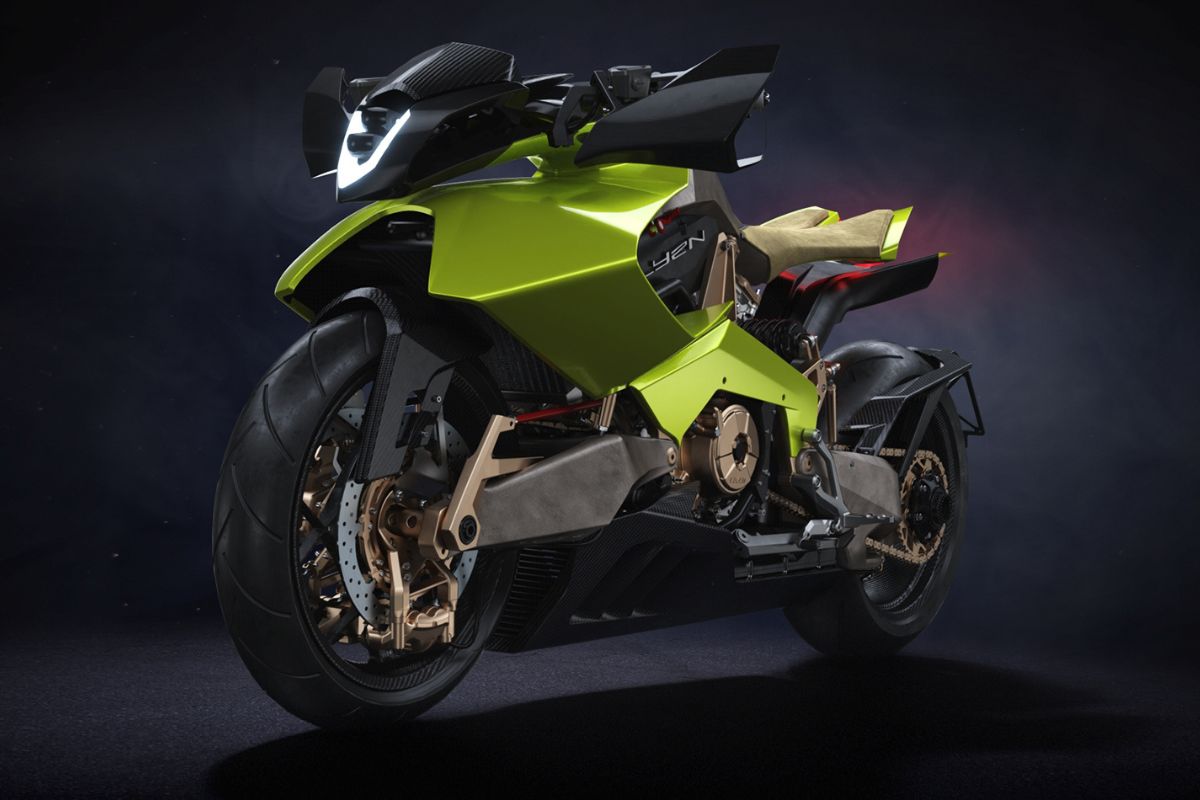
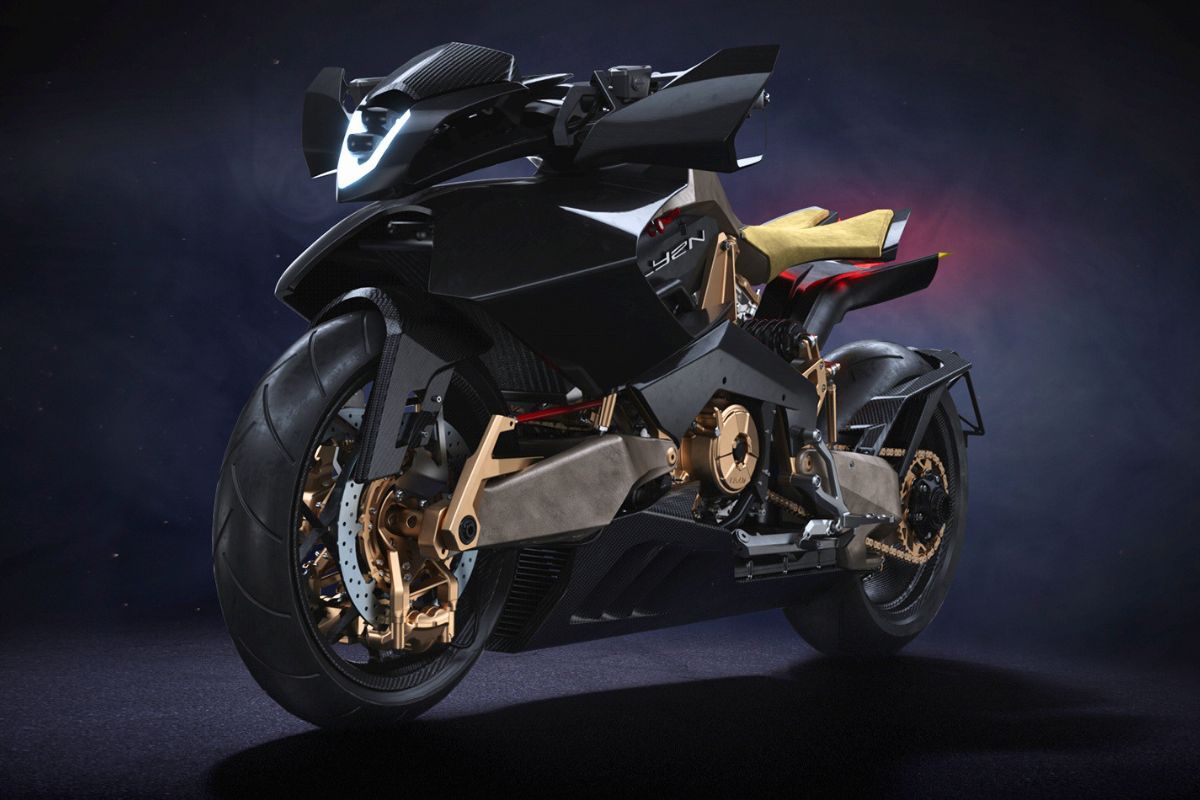
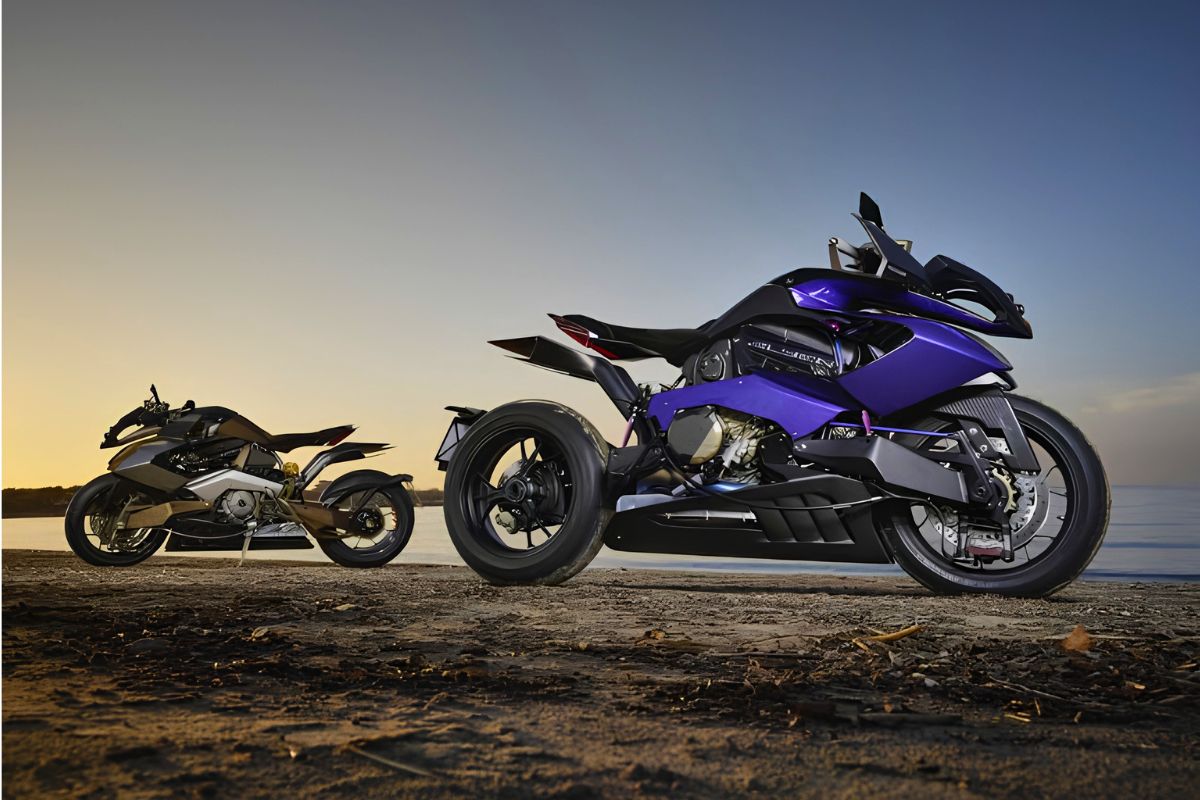
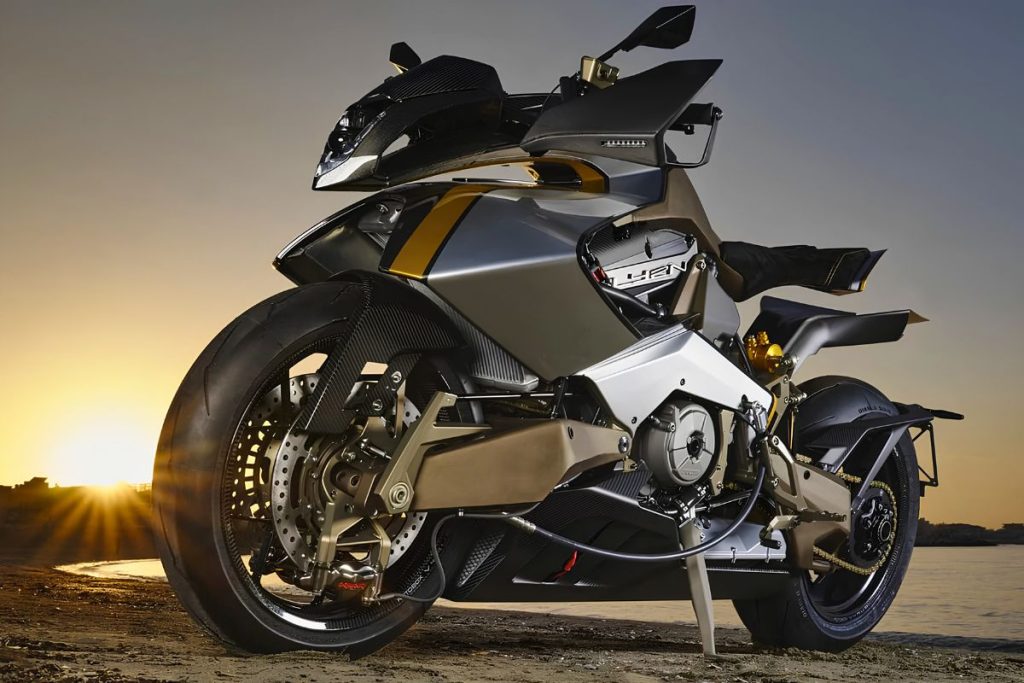
There are exotic motorcycles, there are hyperbikes, and then there’s the Vyrus Alyen. It’s one of those machines that stops you dead in your tracks because your brain can’t quite work out what it is looking at. Is it a motorcycle? Is it modern art? Or did something escape from Area 51?
Whatever you call it, one thing is certain, it isn’t ordinary.
The Italian-built Alyen was the result of almost a decade of development, with no fewer than 57 prototype versions before the final design emerged. Production is limited to just 20 hand-built motorcycles, making it one of the rarest road-going machines ever created. Every example is effectively built to order, ensuring that no two owners are likely to have exactly the same bike.
Engine
Rather than reinventing the wheel, Vyrus went straight to Ducati for the heart of the beast.
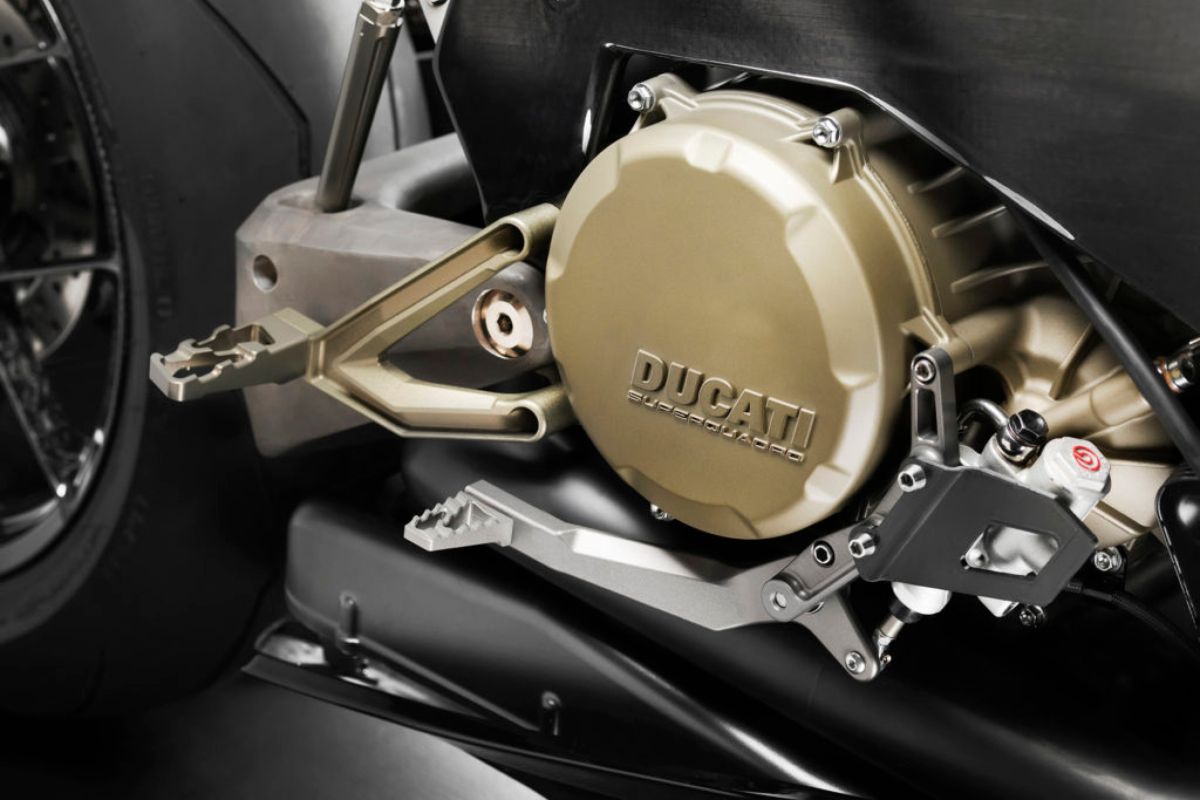
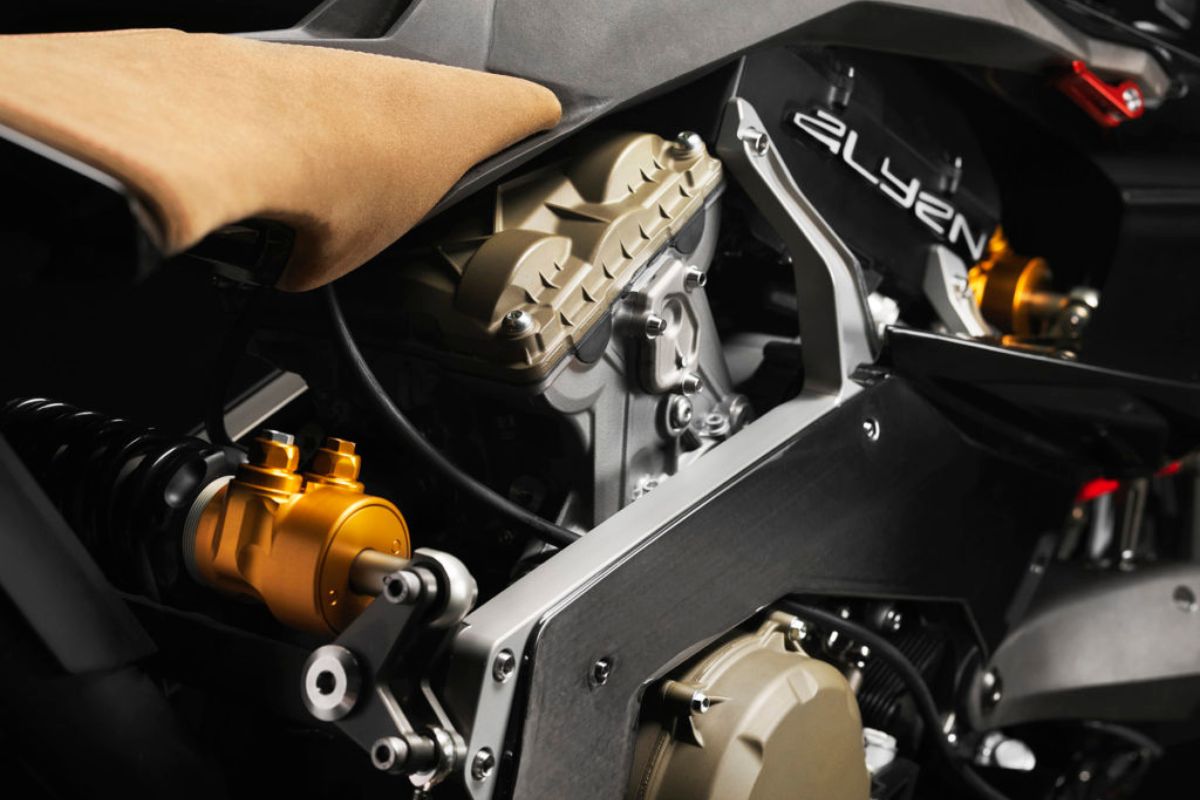
Nestled inside the magnesium chassis is Ducati’s legendary 1,285cc Superquadro L-twin, specially supplied for the Alyen. Producing around 205 horsepower at 10,500rpm, the engine is paired with a six-speed gearbox and quickshifter, delivering superbike levels of acceleration with the unmistakable punch that only a big Ducati twin can provide. Euro 5 compliance means it’s surprisingly civilised when you’re not trying to launch yourself into the next postcode.
Chassis
This is where things get seriously interesting.
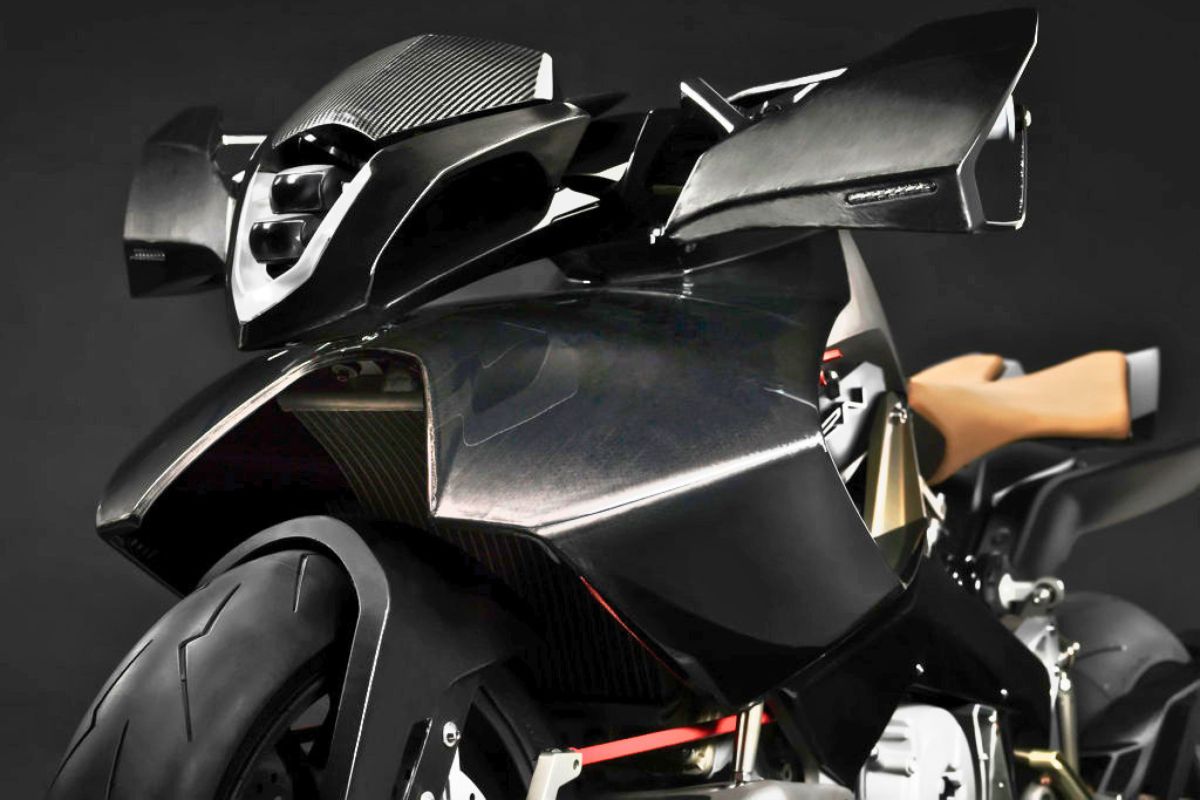
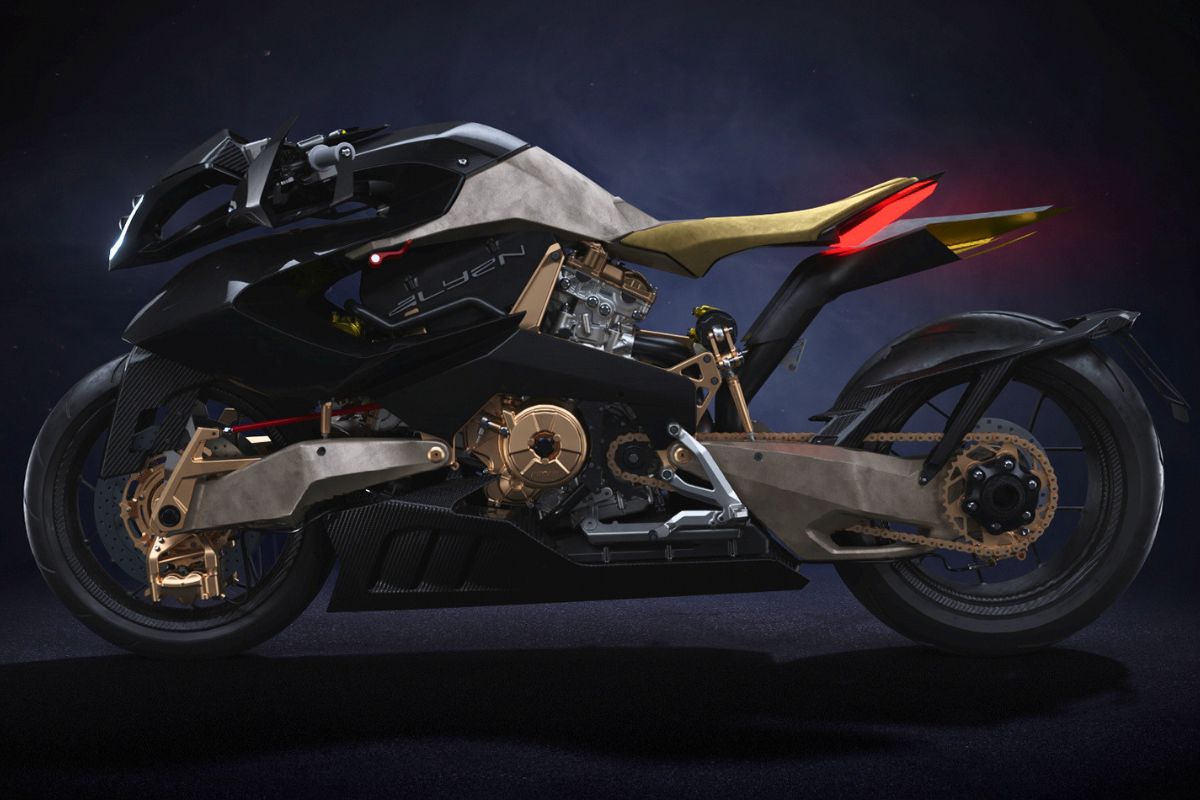
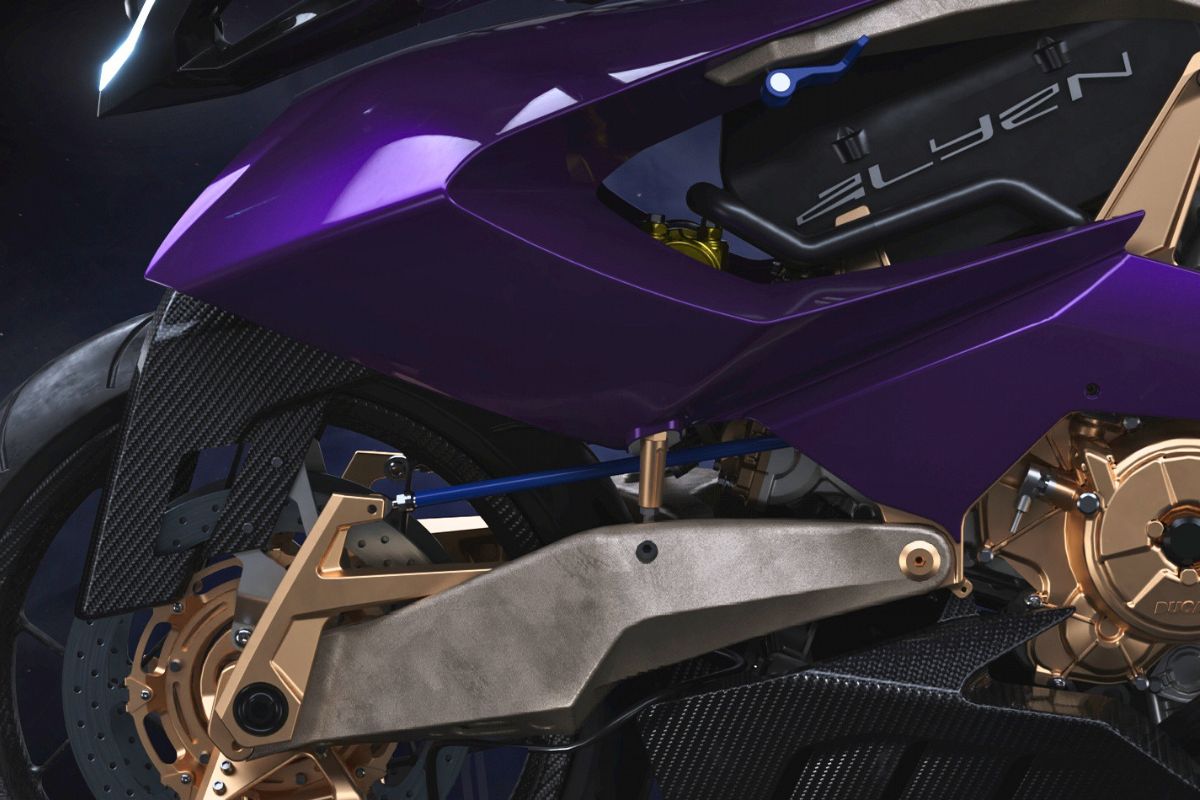
Forget conventional aluminium frames. The Alyen uses Vyrus’ signature double Omega magnesium chassis, with the carbon fibre body acting as part of the load-bearing structure. Magnesium isn’t chosen because it’s fashionable, it’s significantly lighter than aluminium while remaining incredibly rigid, although it’s considerably more difficult to manufacture.
The result is a dry weight of just 165kg, giving the Alyen a phenomenal power-to-weight ratio that rivals the world’s fastest production motorcycles.
Suspension
If telescopic forks are all you’ve ever known, the Alyen looks like it forgot to fit them.
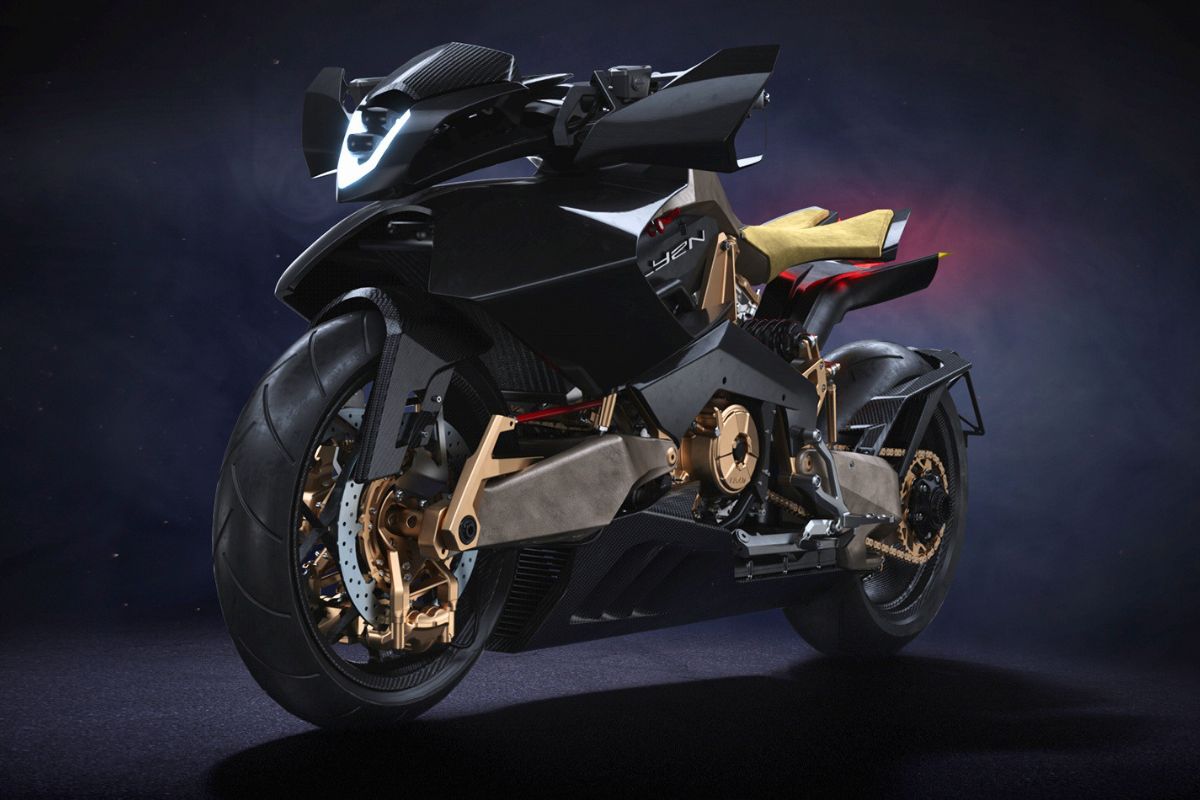
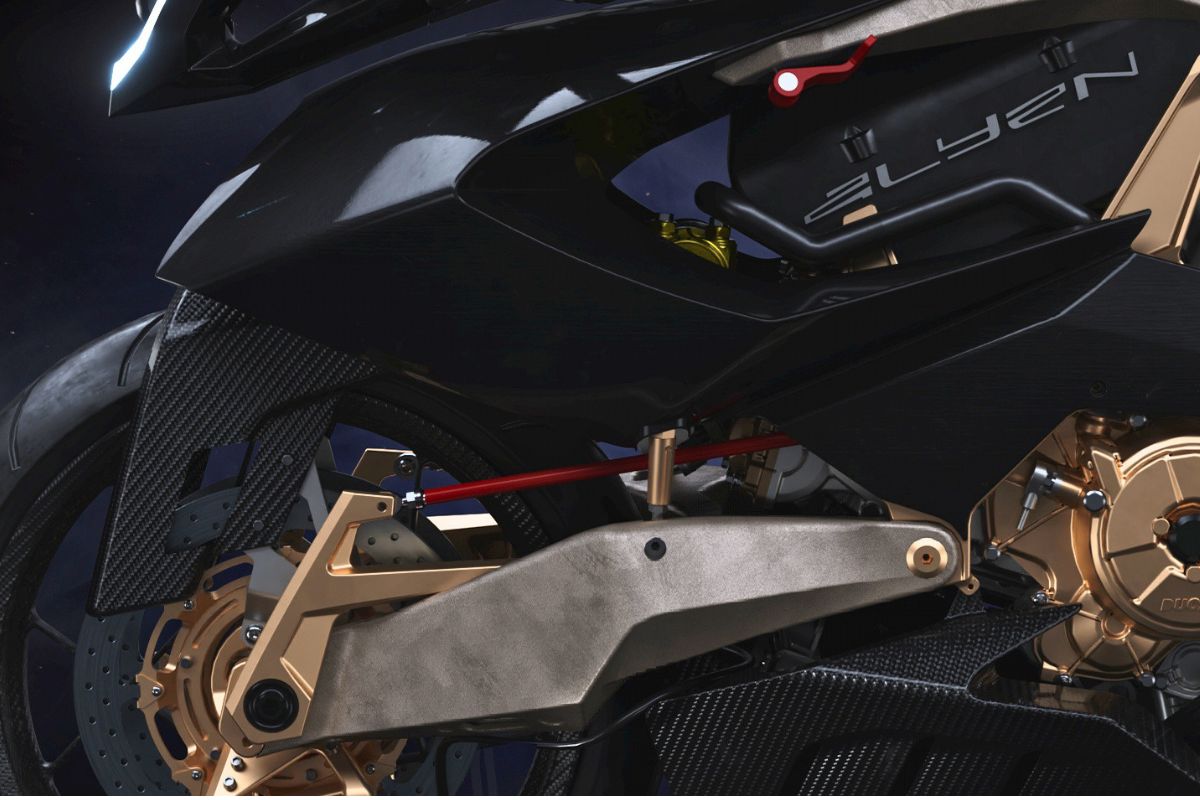
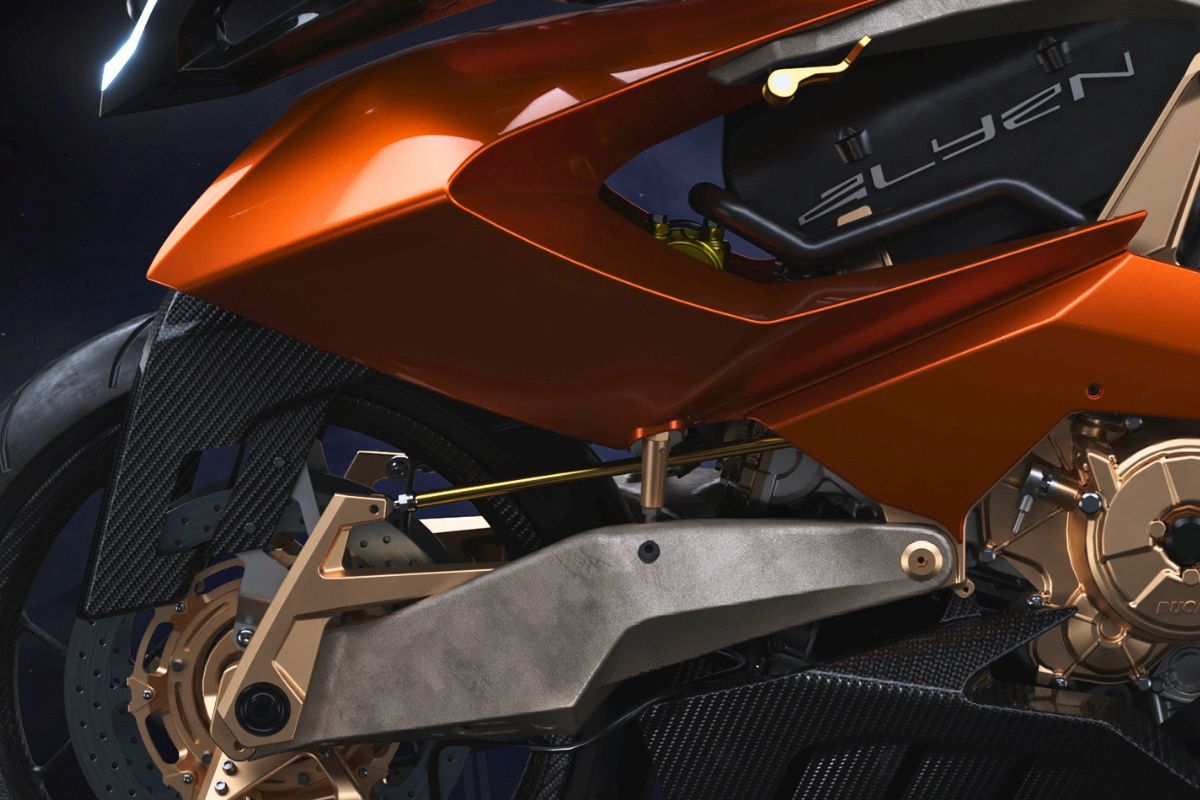
Instead, Vyrus sticks with its trademark hub-centre steering and twin swingarm layout. Steering, suspension and braking forces are separated rather than being handled by a conventional fork. The front and rear both use Vyrus’ Push Rod Twin Pivot suspension system, with premium Öhlins hardware controlling the movement.
The biggest advantage? The steering geometry stays remarkably consistent during heavy braking and acceleration, reducing dive and maintaining stability through fast corners. It’s a completely different engineering philosophy to almost every superbike on sale today.
Brakes
Stopping power comes courtesy of Brembo.
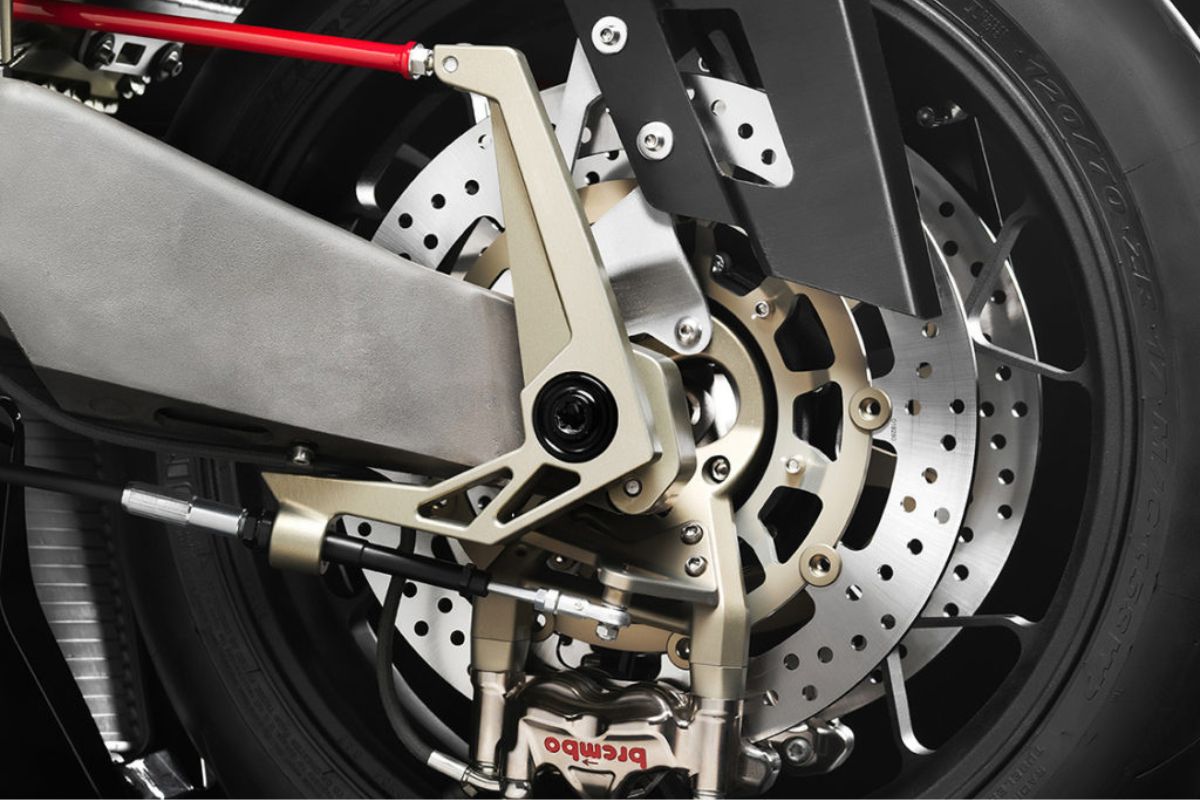
Buyers could specify either massive 320mm carbon-ceramic discs or race-spec T-Drive steel discs up front, clamped by four-piston Brembo calipers. At the rear sits a single Brembo disc.
Considering the bike weighs little more than a middleweight naked, there’s no shortage of braking performance.
Wheels
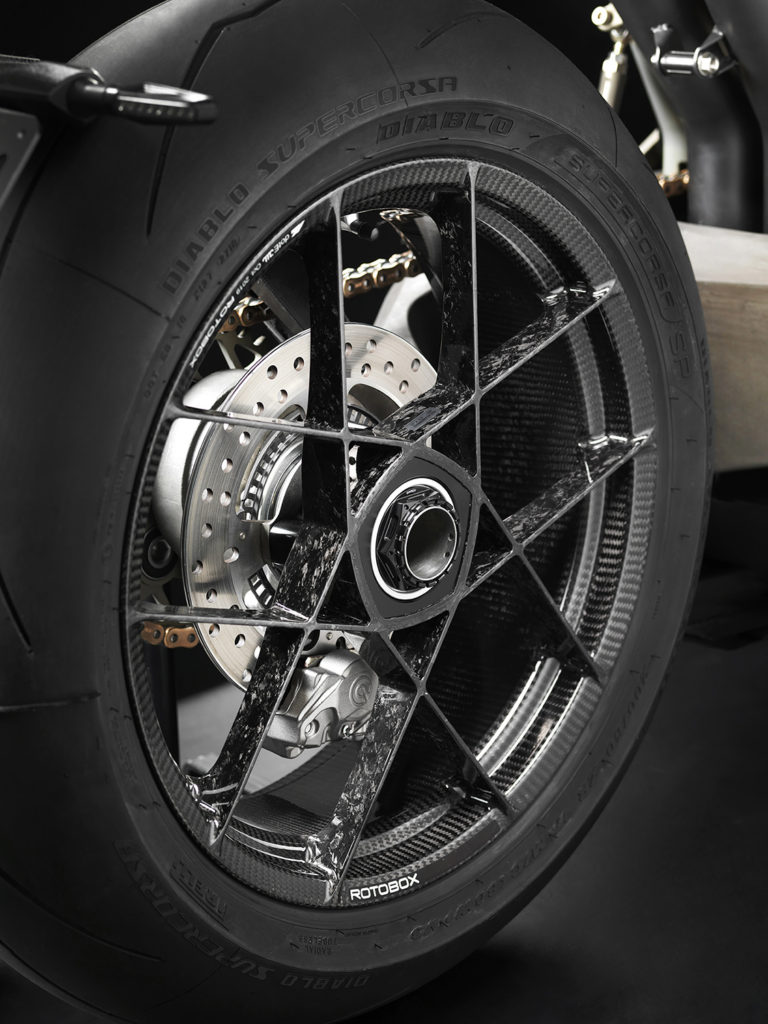
The Alyen rolls on lightweight forged aluminium wheels, measuring 17 inches front and rear, keeping tyre choice firmly in superbike territory. Buyers can specify a range of premium road or track-focused tyres depending on how they intend using the bike.
The real visual highlight, however, isn’t the wheels themselves—it’s how they’re mounted. With Vyrus’ hub-centre steering system, there’s no conventional fork holding the front wheel in place. Instead, the wheel is suspended by the beautifully engineered front swingarm and linkage system, leaving the wheel almost floating in space.
It’s an arrangement that’s both functional and fascinating. Beyond the striking appearance, the design helps separate steering, suspension and braking forces, allowing the chassis to remain more composed under hard braking and through fast direction changes.
Electronics
Despite its futuristic appearance, the Alyen doesn’t ignore modern rider aids.
Ride-by-wire throttle, an inertial measurement platform, traction and stability management, plus a quickshifter all work together to keep the 205-horsepower Ducati engine under control. It’s cutting-edge electronics wrapped inside one of the most unconventional motorcycles ever built.
Ergonomics
The Alyen is unapologetically focused.
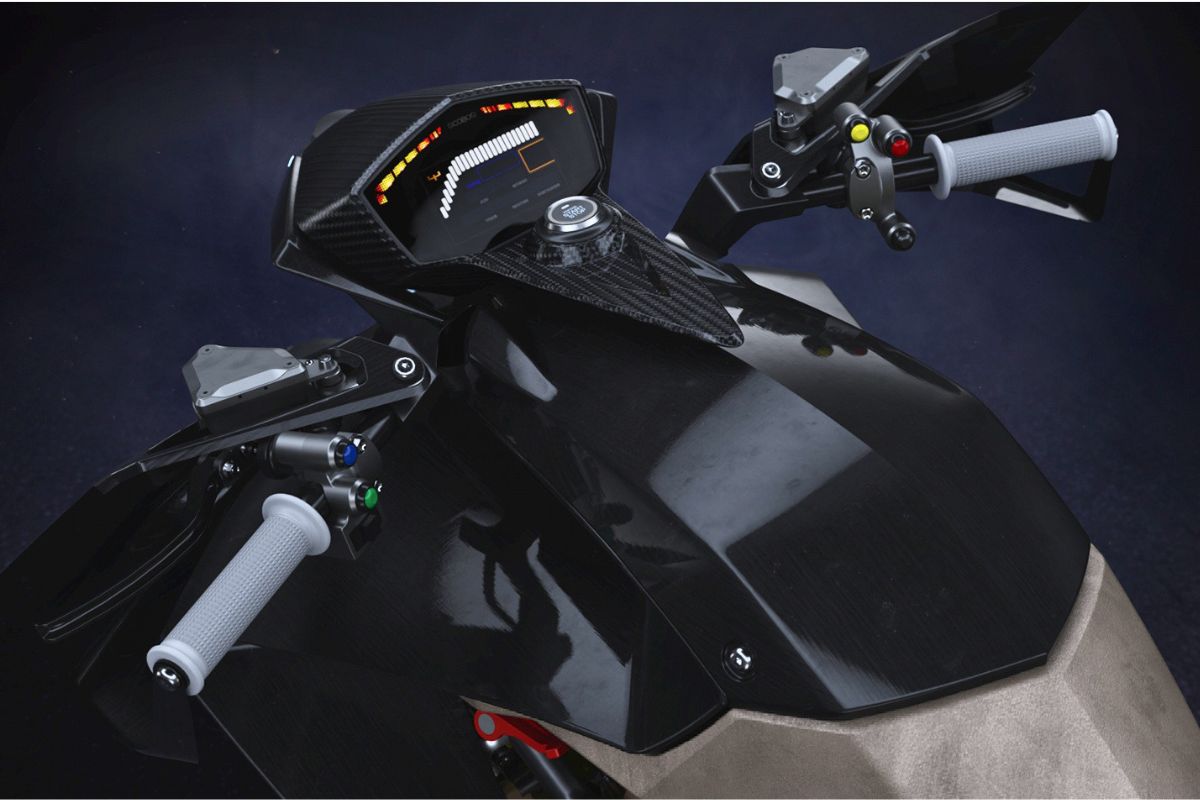
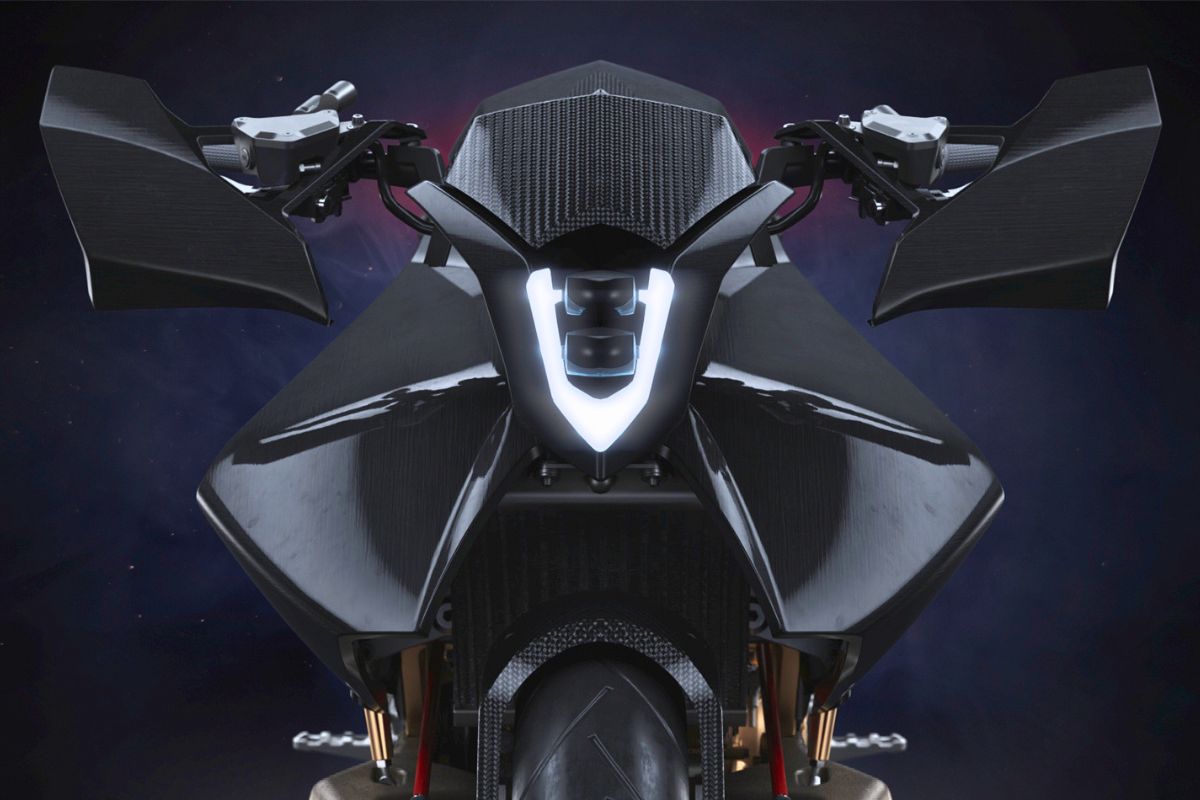
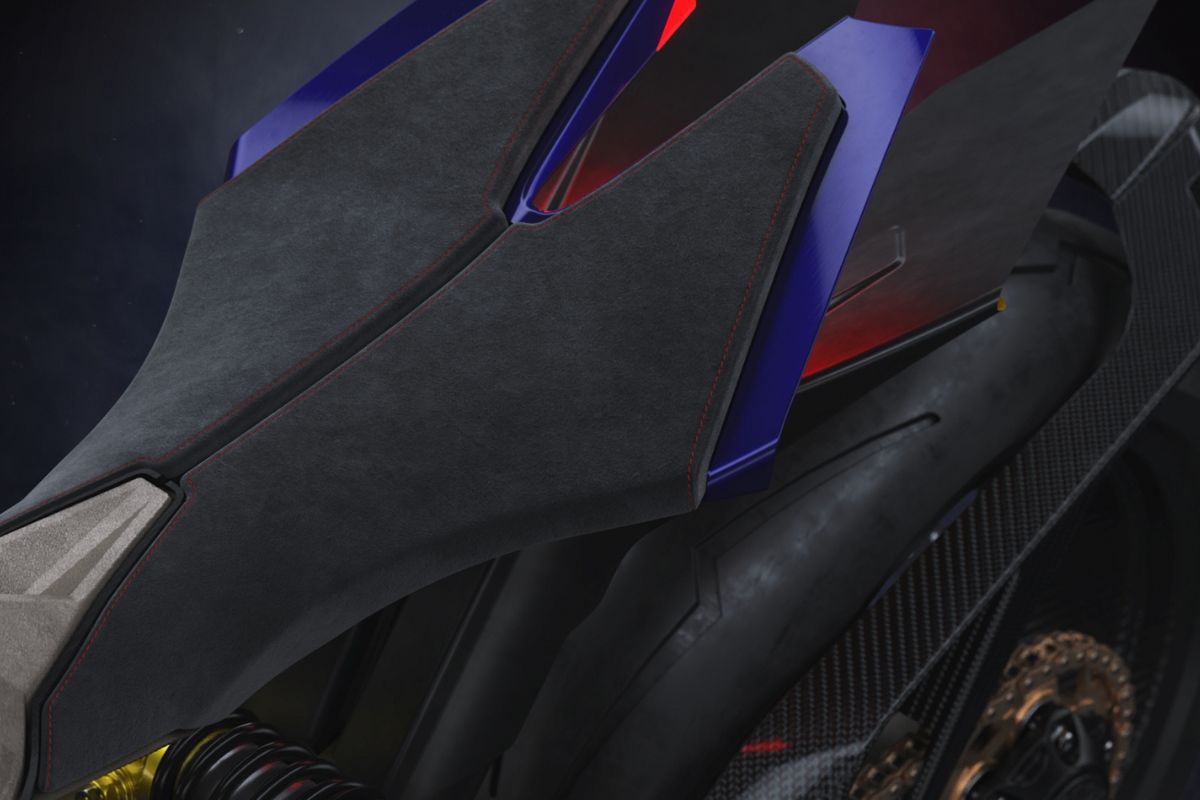
The riding position is every bit as committed as you’d expect from a motorcycle built around a Panigale engine. Wide handlebars offer leverage over the unique steering system, while the minimalist seat and compact bodywork leave very little room for luxury.
Comfort wasn’t high on the priority list. But, delivering one of the most unique riding experiences imaginable certainly was.
The Details That Make It Special
It seems to be one of those motorcycles that if you spend five minutes walking around an Alyen and you’ll notice something new every time.
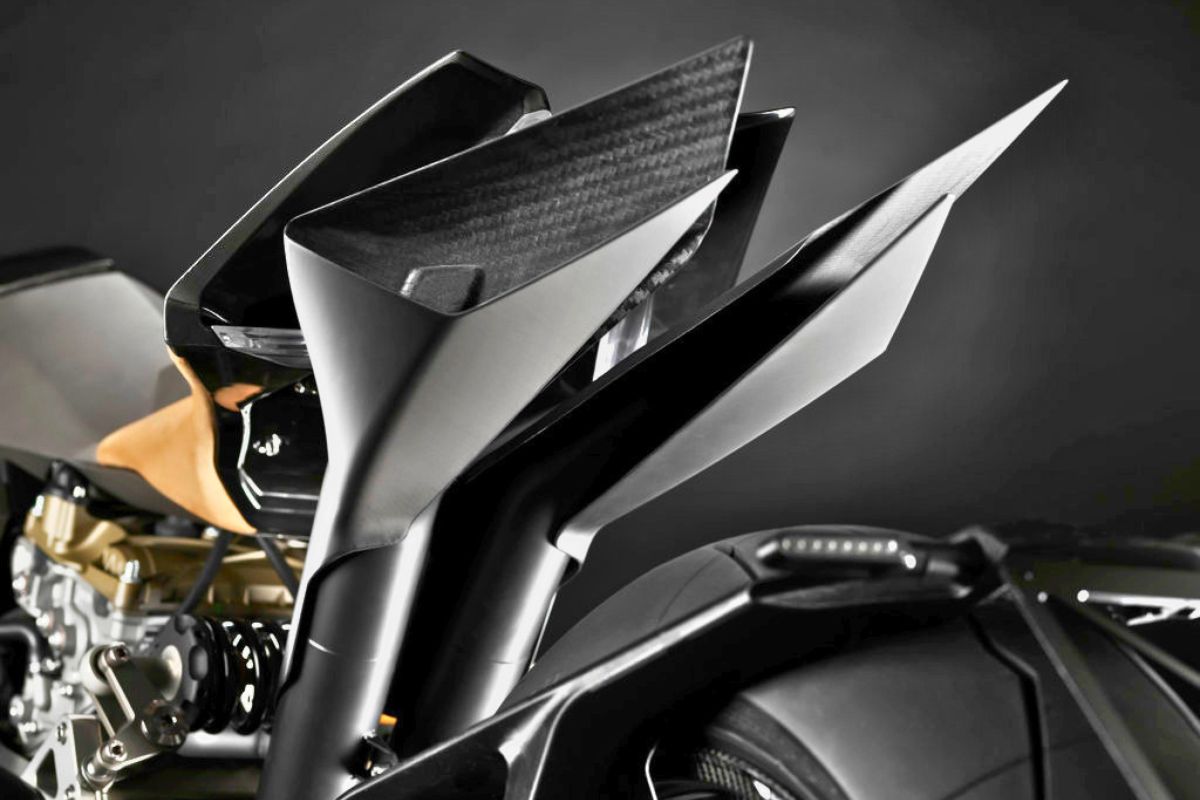
The carbon fibre bodywork appears to float around the chassis. The front wheel seems disconnected from the handlebars. The steering is operated through Vyrus’ unique Hydraulic Wired Steering System, while magnesium components appear everywhere, from the frame and swingarms to the footpegs and structural brackets.
Even the exhaust system looks more like a sculpture than motorcycle hardware.
It’s one of those bikes where engineering and industrial art have become impossible to separate.
Personalisation
Vyrus wasn’t interested in turning out twenty identical motorcycles.
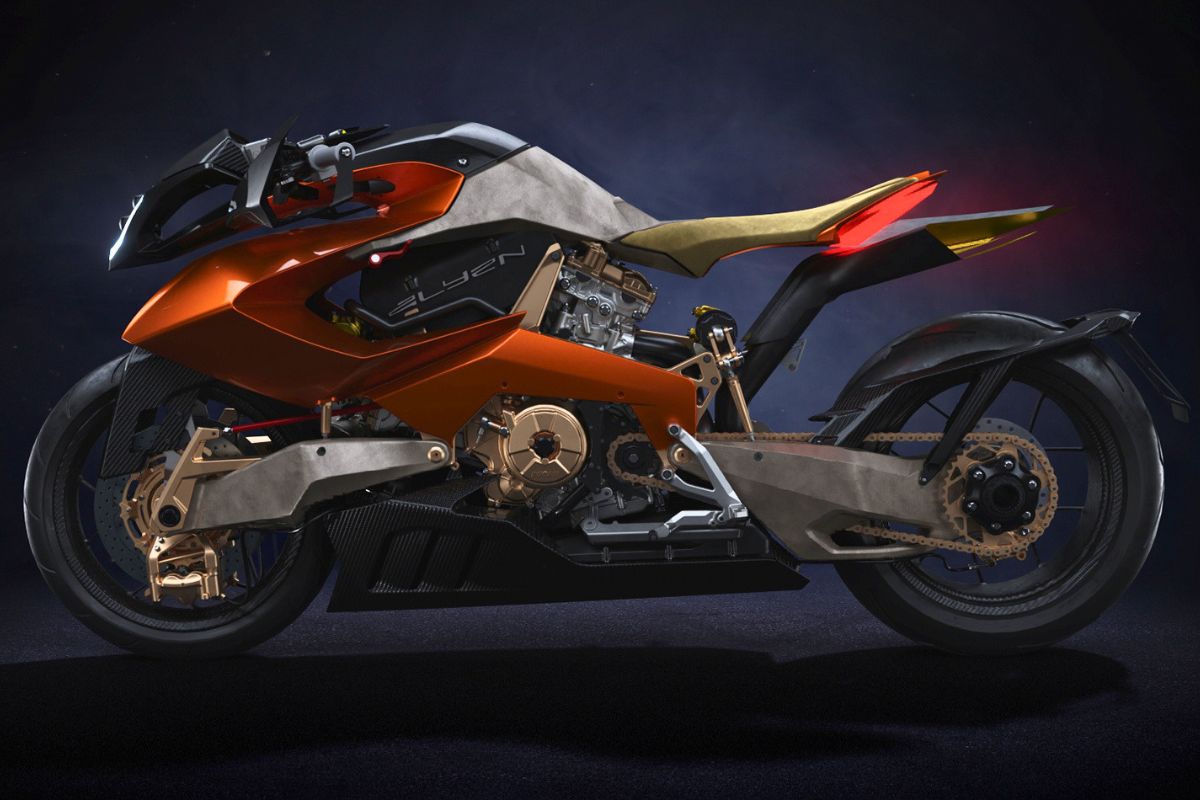
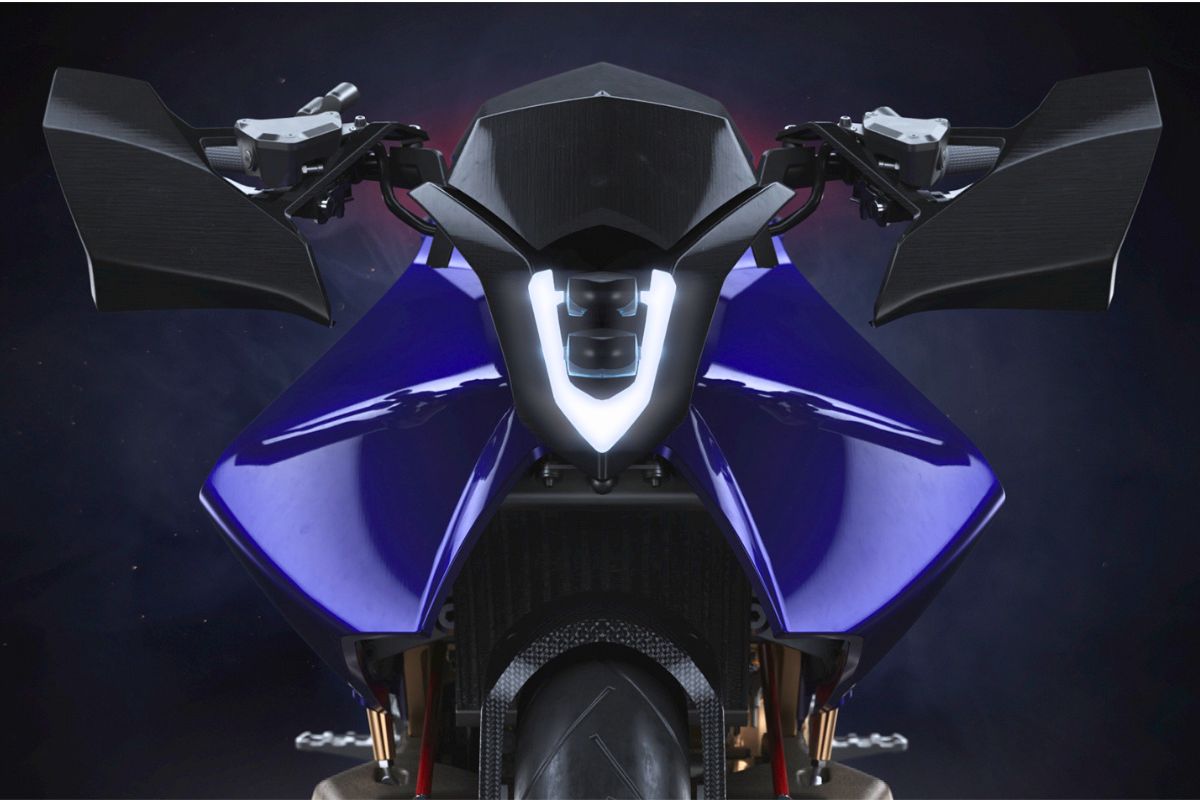
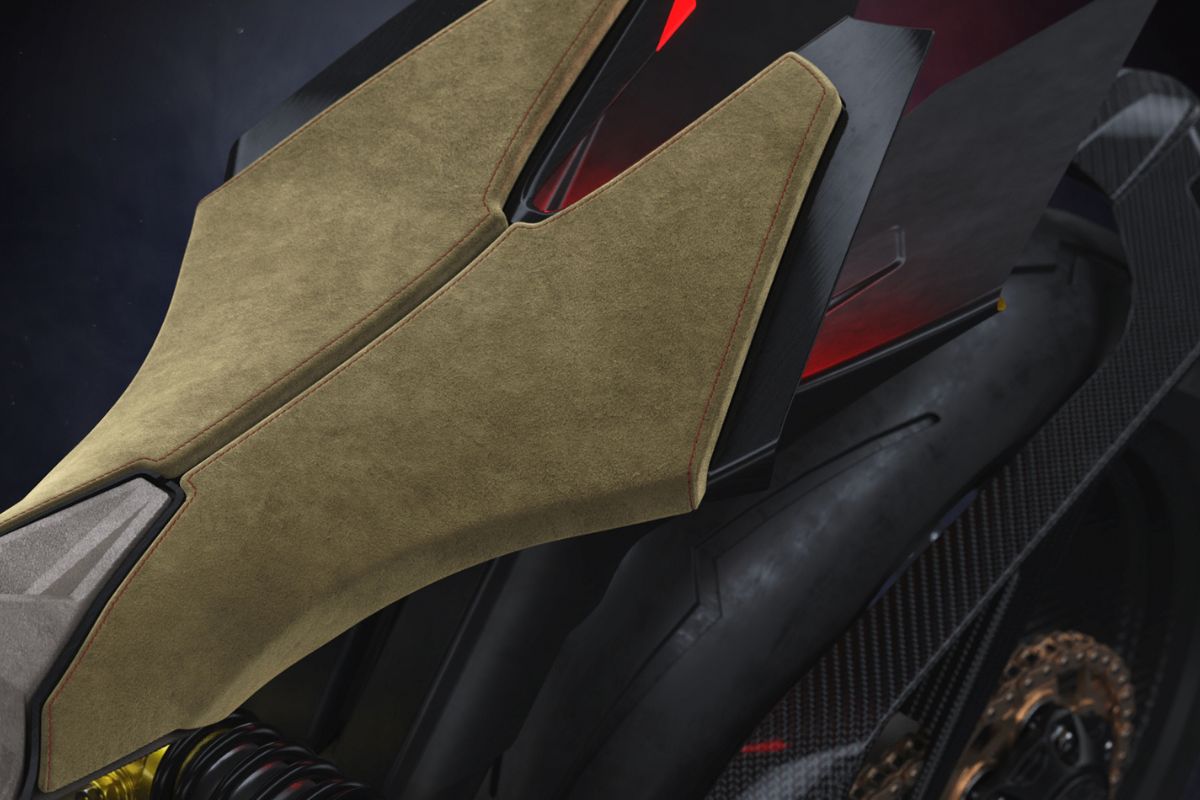
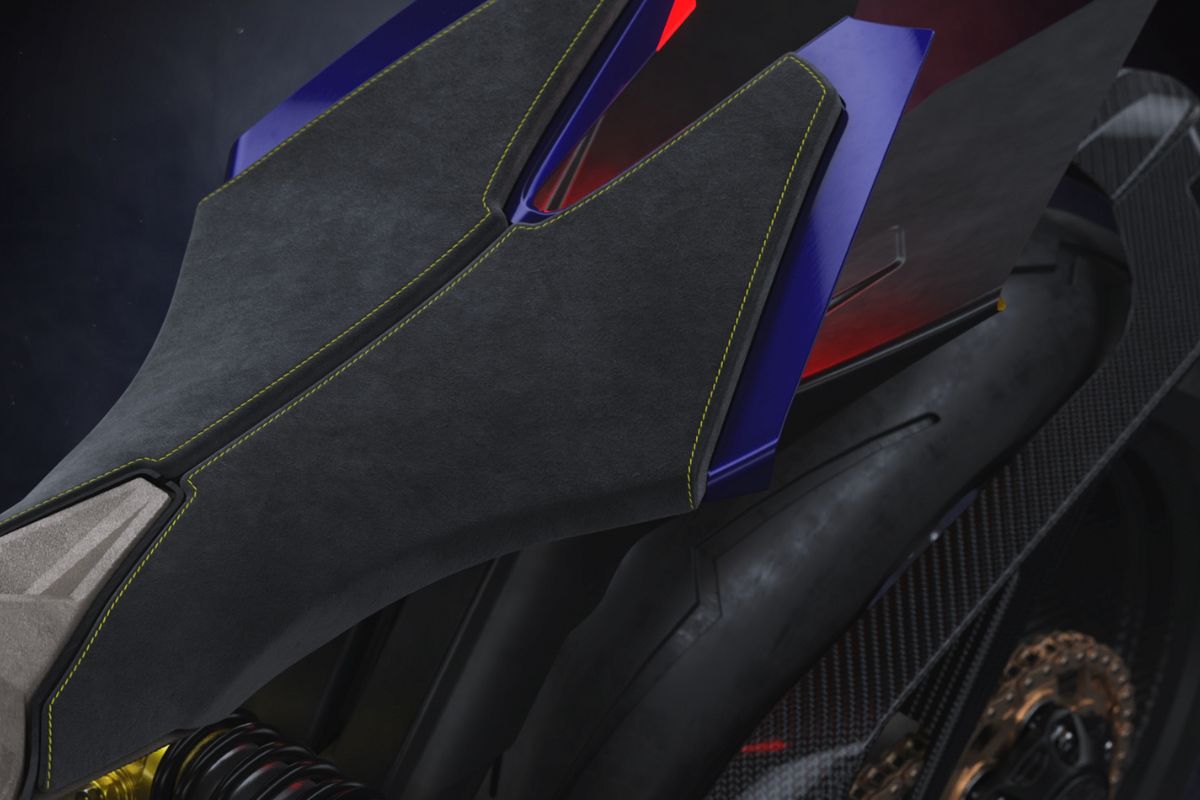
Owners can specify the colour of the carbon bodywork, choose different seat materials and stitching colours, and even customise the finish of the distinctive front swingarm linkage components. It sounds like a small detail, but on a motorcycle where the engineering is as much on display as the bodywork, those exposed linkages become part of the visual statement.
It’s the sort of bespoke approach you’d expect when every bike is hand-built. Rather than buying a production motorcycle off the showroom floor, you’re effectively commissioning your own interpretation of the Alyen.
Ridefast Verdict
The Vyrus Alyen isn’t trying to compete with a Ducati Panigale V4, a BMW M 1000 RR or any other superbike.
It’s an engineering statement.
Only twenty riders in the world will ever own one, and that’s probably exactly how Vyrus intended it. Most manufacturers chase lap times. Vyrus chased an idea, one that challenged everything we think a motorcycle should look like.
Whether you’d actually want to ride one every weekend is almost beside the point.
Some motorcycles are built to win races.
The Alyen was built to make people stop, stare and ask, “How on earth does that thing work?”