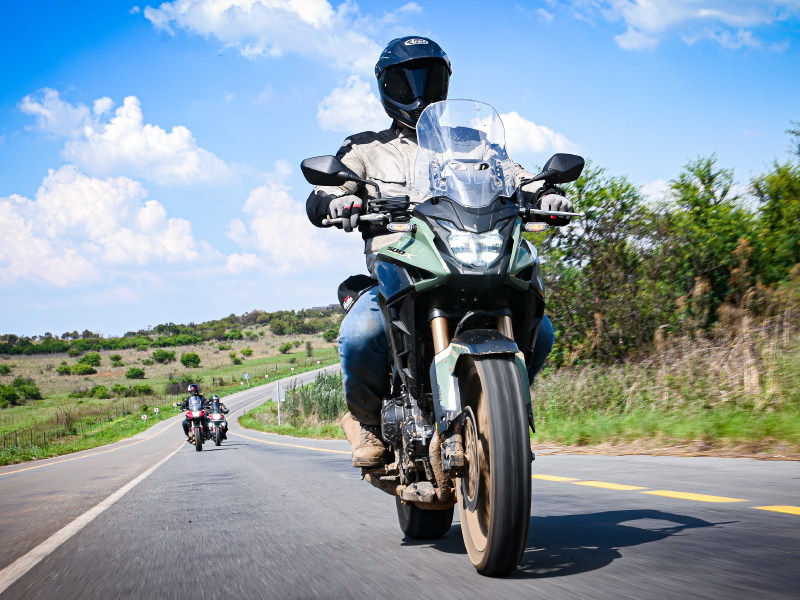
Ducati has a reputation for performance and tech — pushing the boundaries of motorcycle capabilities and moving goalposts. At the time of publishing, its World Superbike Team remains unbeaten in 2026, and it’s really not even close. In the road market, the Diavel V4 is feared, the Multistrada is respected and the Monster will turn your commute to work into a full-blown racetrack.
The Scrambler, then, seems somewhat pedestrian next to its fire-breathing siblings. The air-cooled 803 cc motor produces 73 hp and 65.2 Nm of torque — not enough to set the world on fire. Does it belong in the adrenaline-crazed world of Italian sports bikes?
It may seem like a silly question, but weirdly the answer is yes. It fits right in. In fact, it might be a better motorcycle than some of the mega-horsepower offerings.
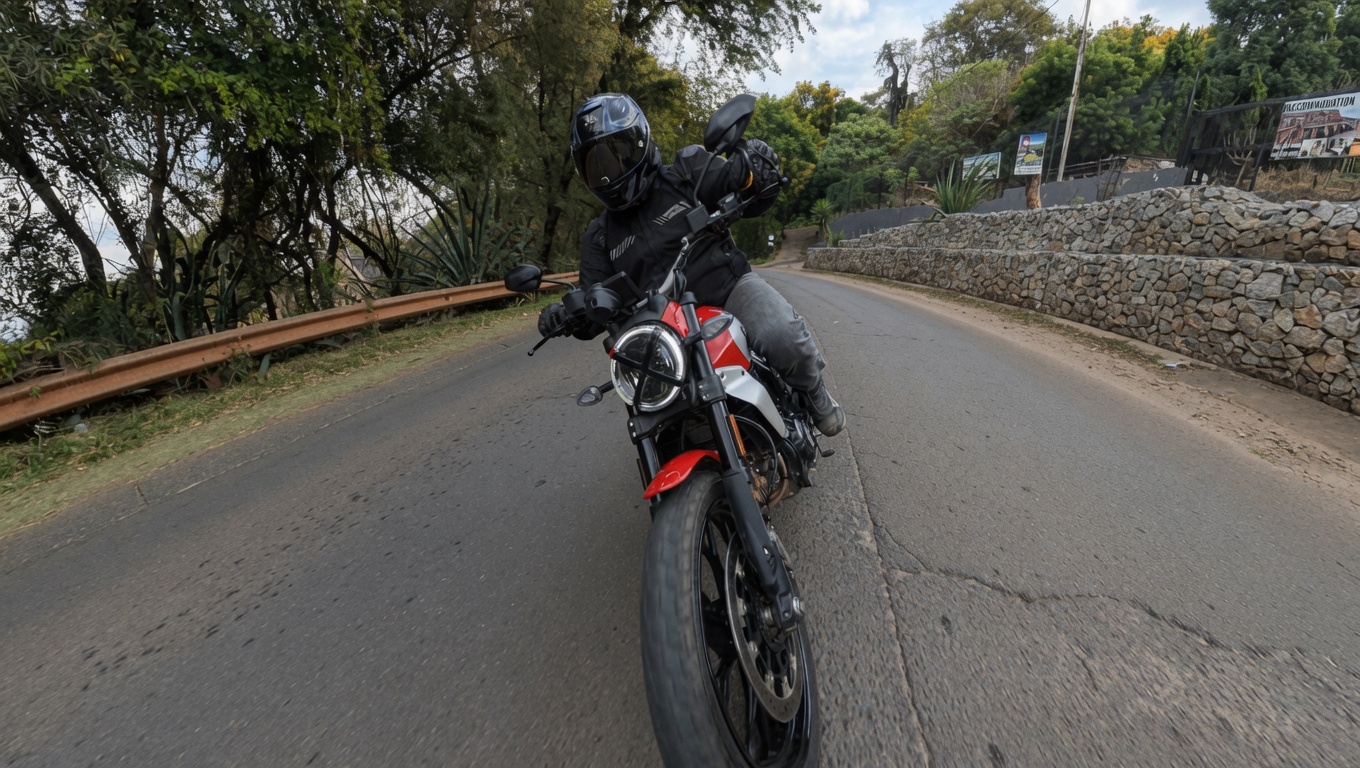
Put simply, Ducati’s job — more than simply moving people around — is to stir souls, brighten eyes and lift the corners of mouths. The Scrambler does more than that. The silly grin under the helmet is unmistakable, and often unexpected by people who have never ridden one. It really is impossible to be upset while riding a Scrambler.
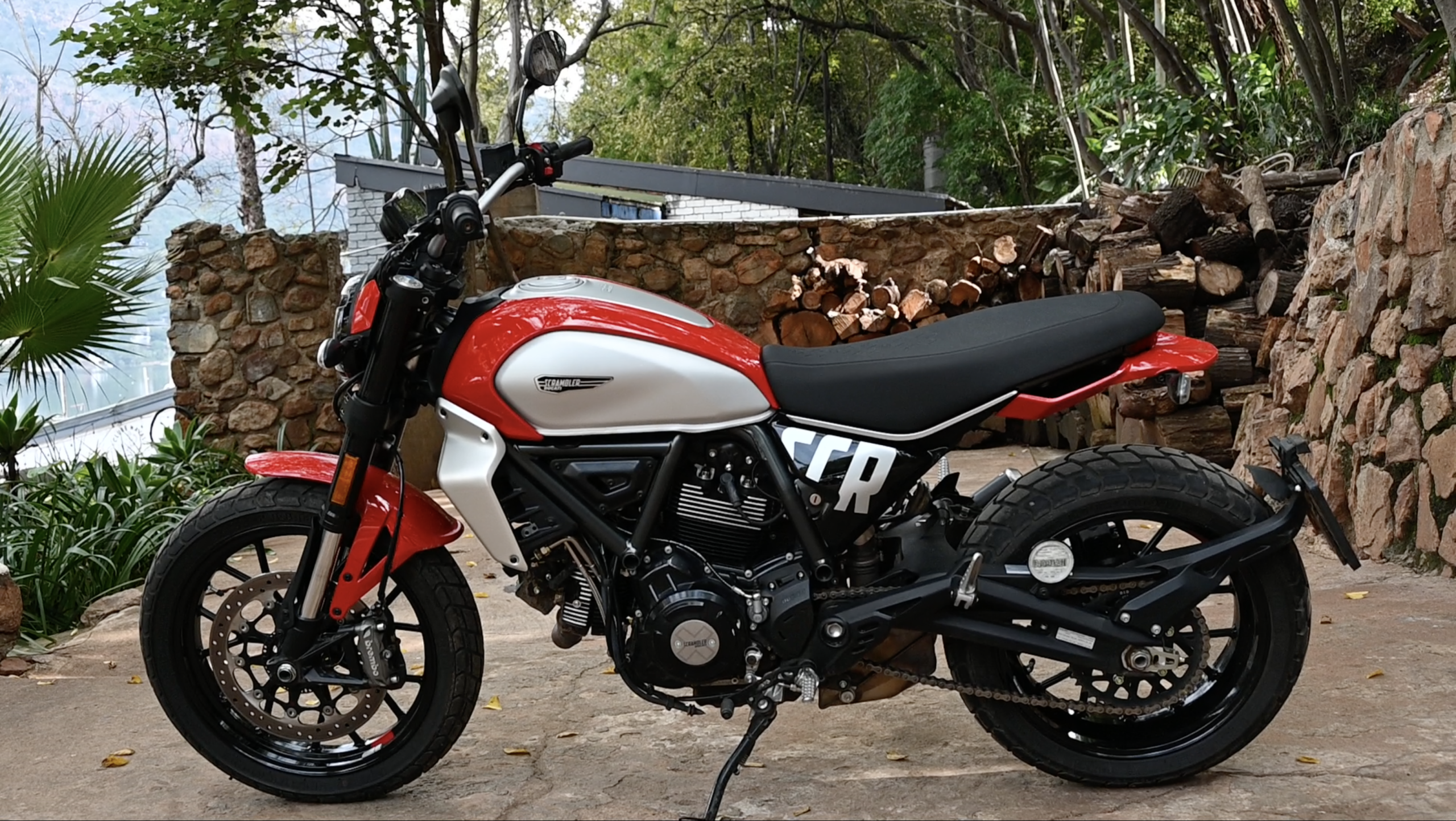
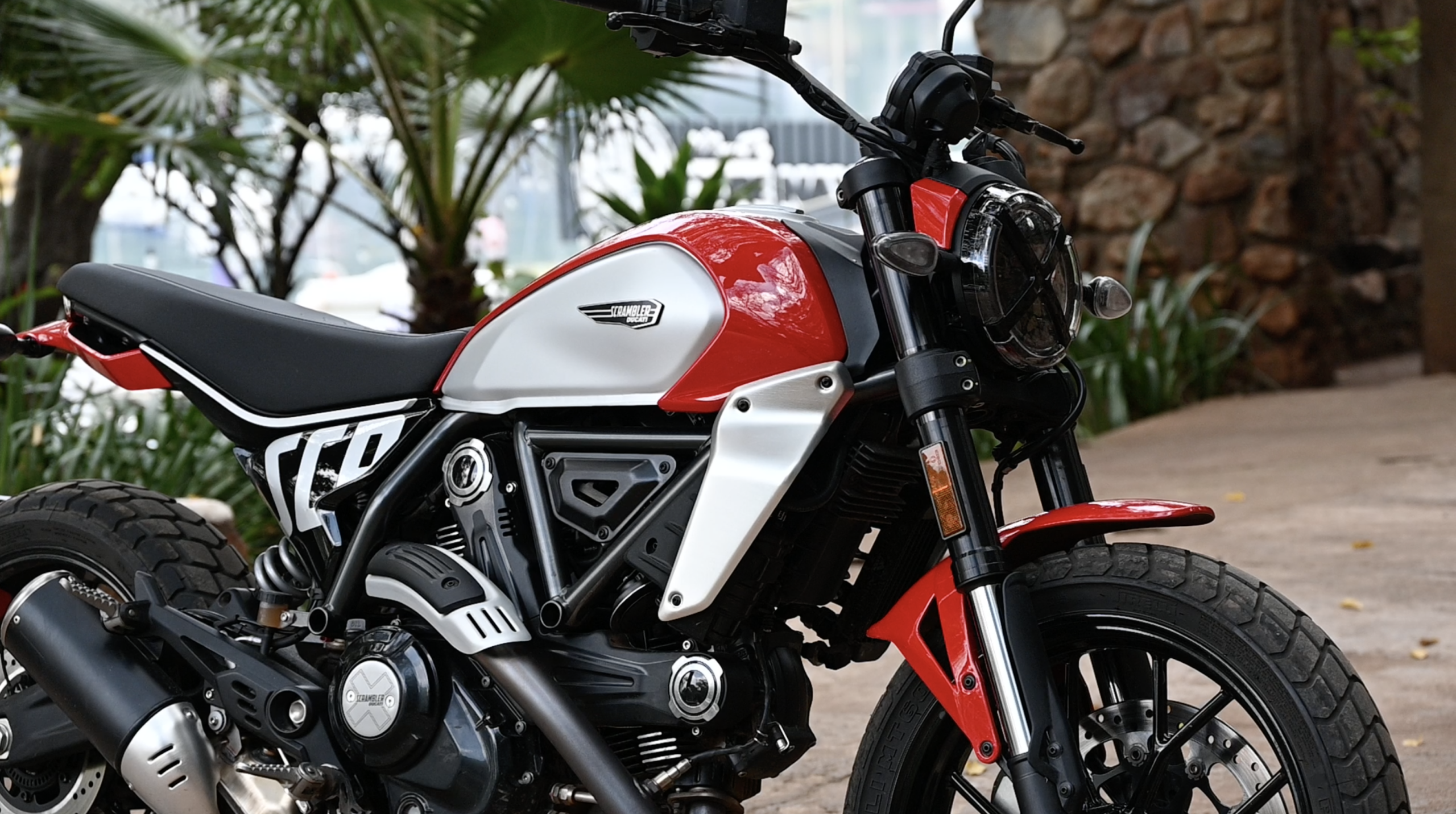
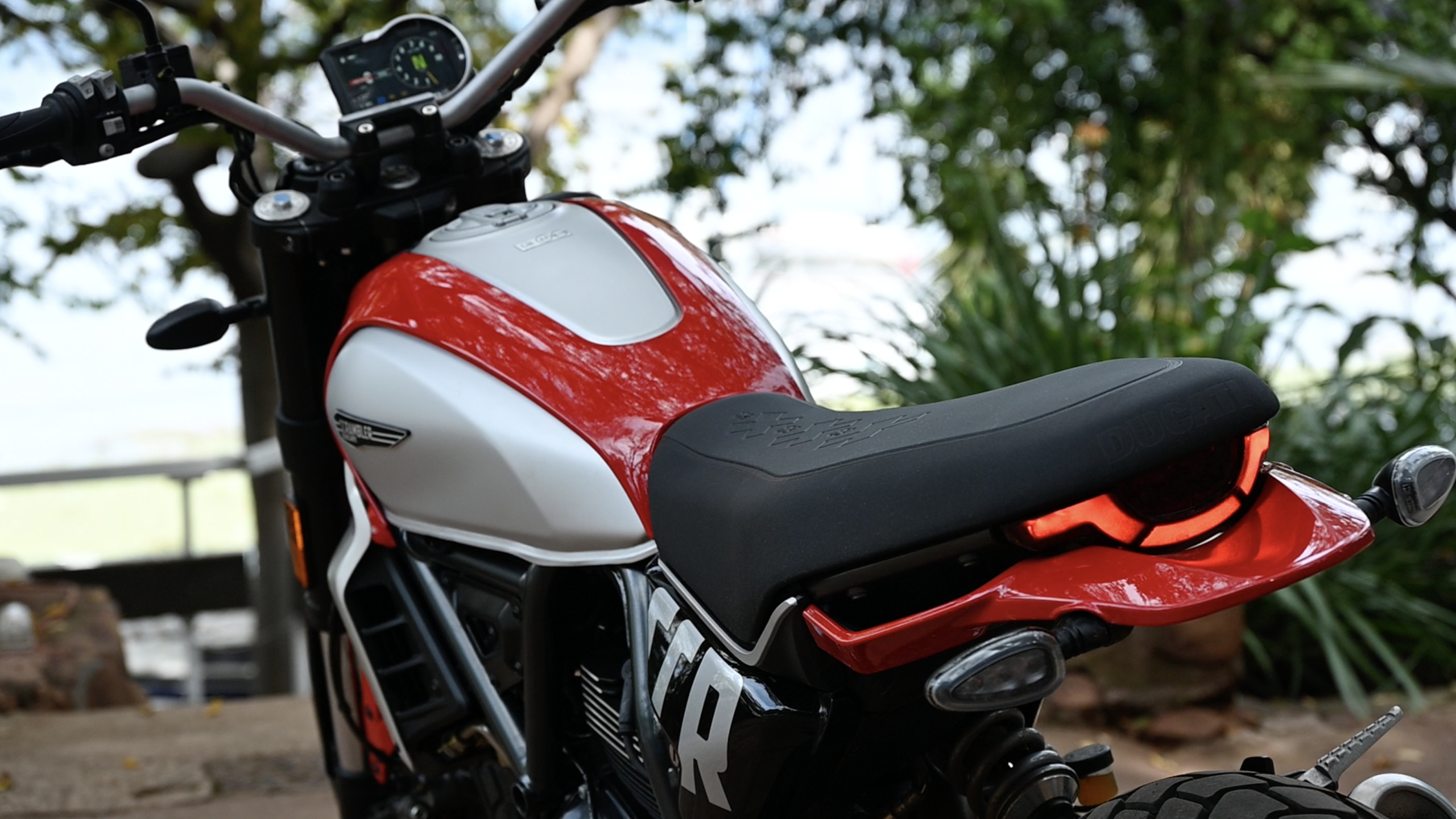
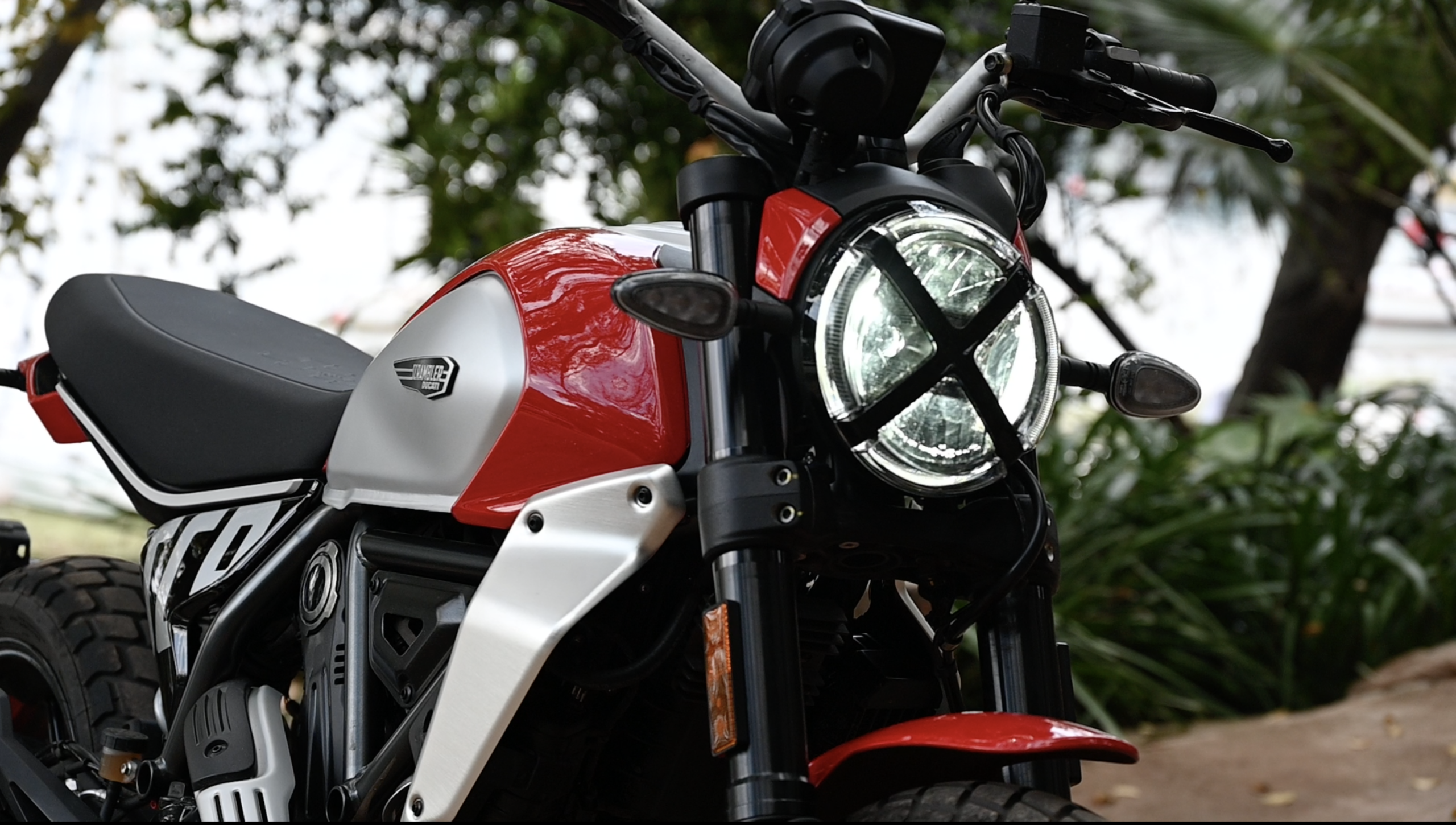
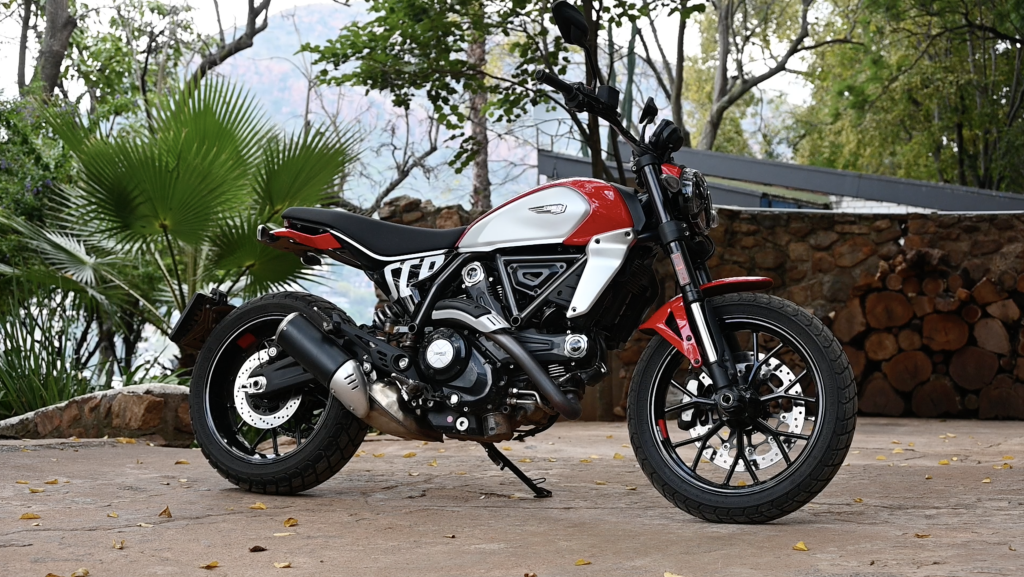
Here’s why. As with every ride, the experience starts before you even turn the key — the moment you walk up to the bike. If you listed the Scrambler’s visible features they would sound simple and minimalistic, yet Ducati has added a charm to its form that shines far brighter than it has any right to.
The motor is the smallest in the range and was born without a radiator, which counts against it on paper. But anyone familiar with air-cooled engines knows they possess an unmatchable charm — and the same can be said for a V-twin. The Scrambler has both.
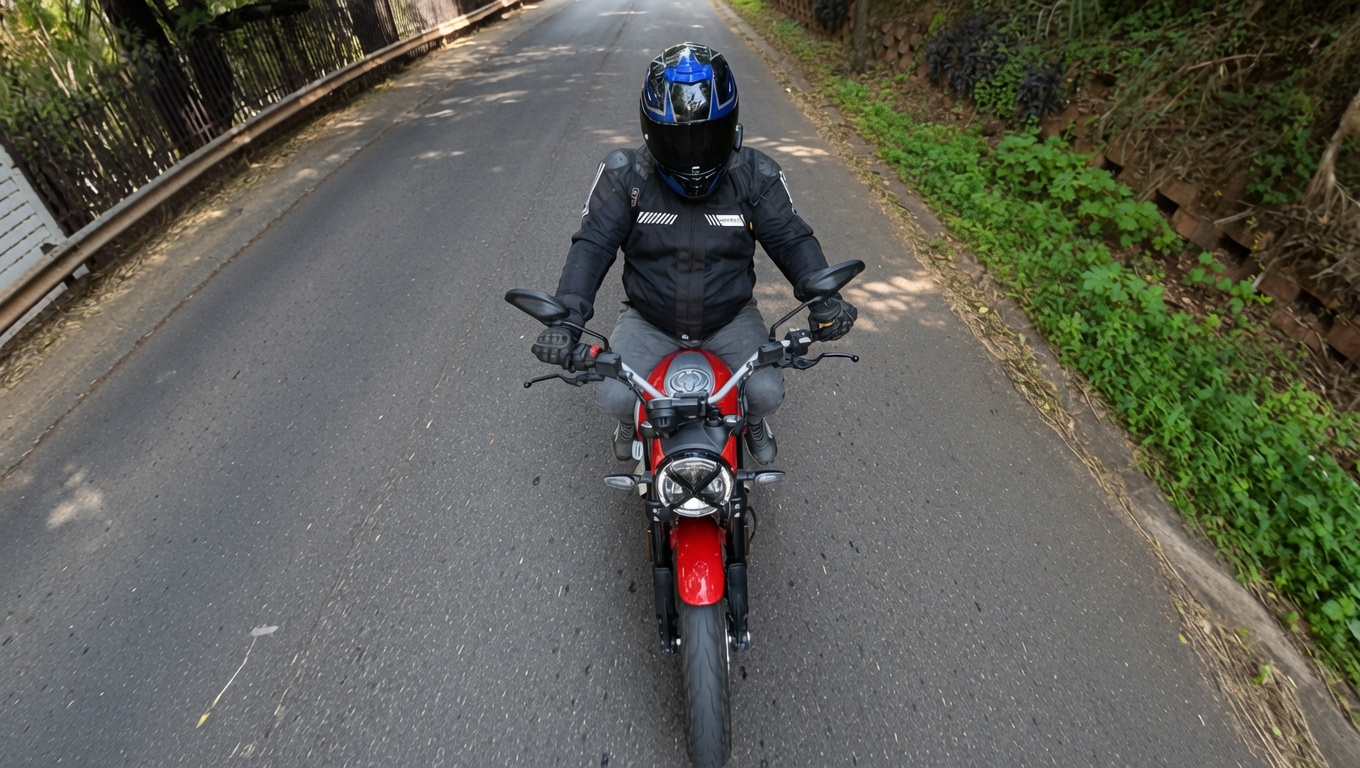
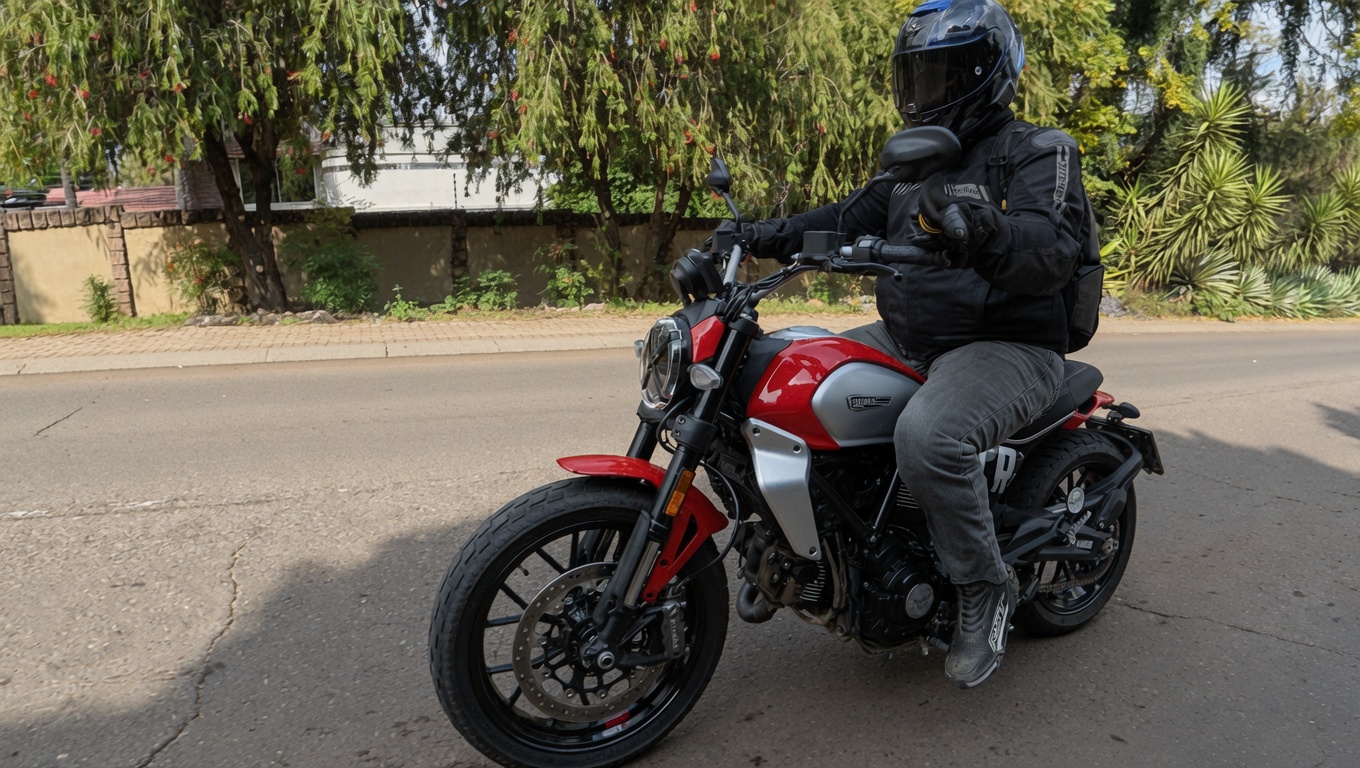
More than that, the 73 hp output propels a motorcycle that feels about the size of a shoebox. It isn’t cramped or uncomfortable — quite the opposite. You sit on it, put your hands on the handlebars, look ahead and see almost no motorcycle in front of you.
Open the throttle and fun splashes out in a wave of charm and a surprising amount of speed. The air-cooled V-twin works its magic, turning the simple act of moving forward into an occasion.
The seat is classically styled with a long, broad shape that gives the rider plenty of room to move around. The bars are fairly tall and wide, and unless you’re 12 feet tall the pegs are low enough to avoid knee cramp.
The seat height is just 795 mm — awfully low — making the bike a doddle both in traffic and when reversing out of the garage.
The dash is small, simple and round, perfectly suiting the rest of the motorcycle. The only minor hassle is that many of the settings aren’t adjustable on the fly. In real life, though, after a few weeks of ownership you’ll settle on your preferred settings and rarely touch them again.
It weighs 182 kg with all fluids except fuel — a figure that’s slightly annoying because manufacturers use different weight specifications, making direct comparisons tricky (perhaps deliberately so).
The fuel capacity is 14.5 litres, which isn’t ideal for long distances — but this is hardly a long-distance motorcycle.
If we have a complaint, it’s a familiar one with V-twin motorcycles: The motor livens the bike up considerably, but the rear cylinder sits dangerously close to the rider’s knees. This is brilliant in the middle of a South African winter, where it acts as a convenient leg warmer. In mid-summer, however, it can become a touch too toasty. You only really notice it when moving very slowly or when stationary; once you’re travelling at even a moderate pace, airflow takes care of it. The lesson here is simple: don’t ride slowly.
The other problem all Ducatis share — at least for us journalists — is heartbreak. You collect the bike from Ducati South Africa, keep it for a week, and fall madly in love with it. If you spend a week with a Ducati and don’t fall in love with it, we suggest serious psychiatric counselling followed by heavy medication.
Once your heart is utterly ensconced in the mushy warmth of affection, reality hits when you see the price…
Ducatis are inherently not cheap. In one of those strange backward marketing phenomena, that’s partly what makes them so attractive. For journalists it means handing the bike back after a week with no hope of long-term matrimony. We expected much the same when we looked at the Scrambler’s price.
This is the Icon — the simpler version of the Scrambler. It’s also available in yellow, while the Nightshift and Full Throttle versions cost more. As our eyes nervously scan the number that will empty our bank accounts, we see R221 000.
That’s not actually terrible. I honestly expected it to be closer to R300 000 — possibly even more. R221 000 for a Ducati? This bike is full of surprises.